By Dr. Jamie Phillips, DPT, CSCS
Ask ten hockey parents what a goalie strength program looks like and you get ten versions of the same answer: something separate, something weird, something that involves a lot of bands and a wobble board.
That is not how it works. Your goalie does not need a different program. Your goalie needs the same program with four small tweaks, applied with a little more discipline than the skaters around them.
Here is the difference, spelled out. What changes, what stays exactly the same, and what to do about it this week.
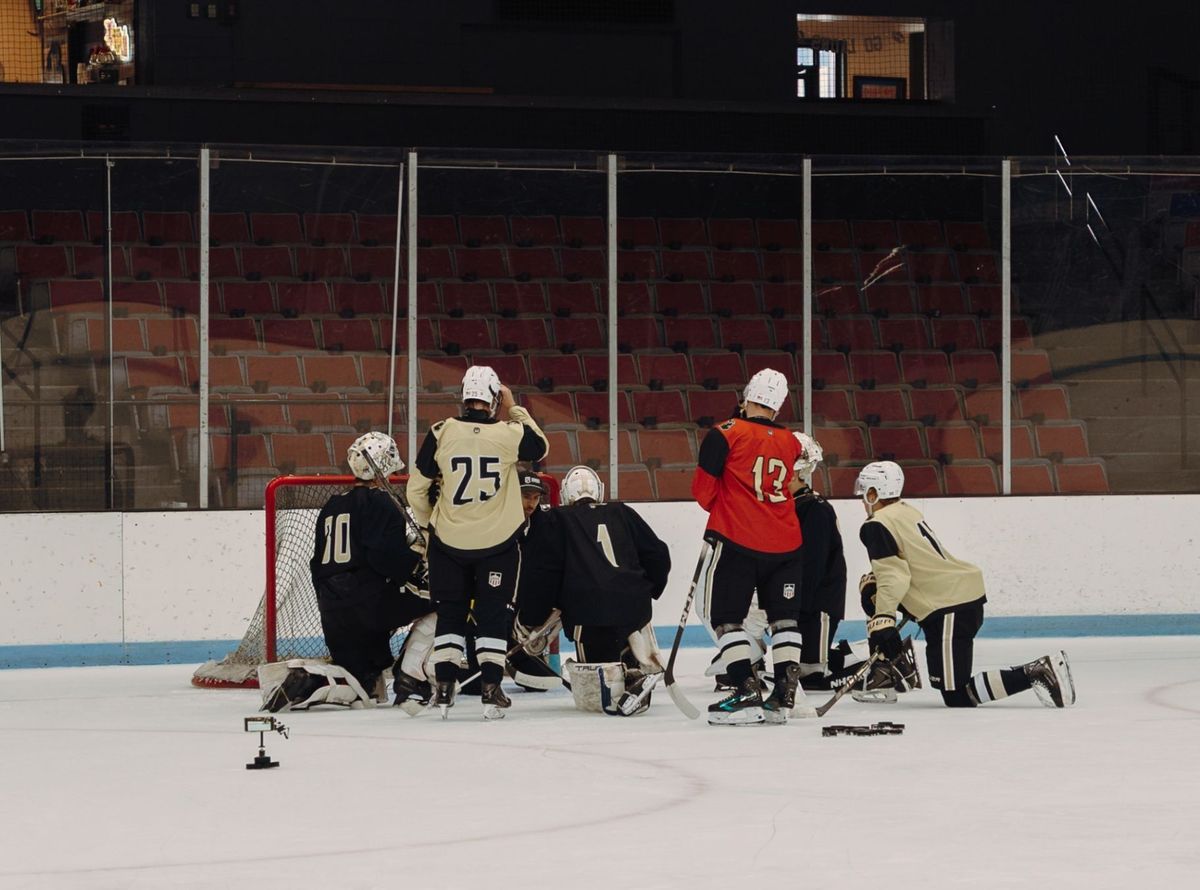
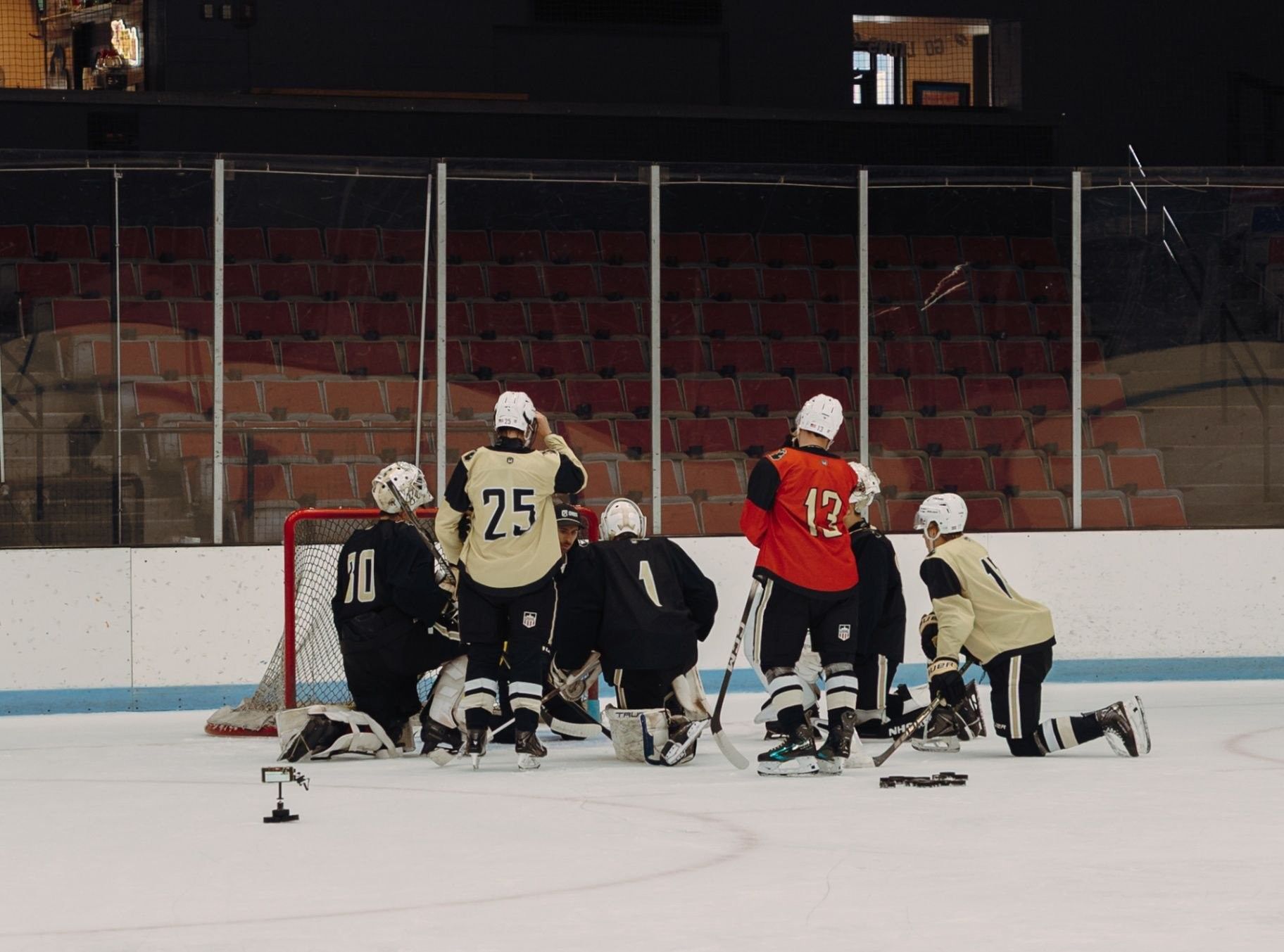
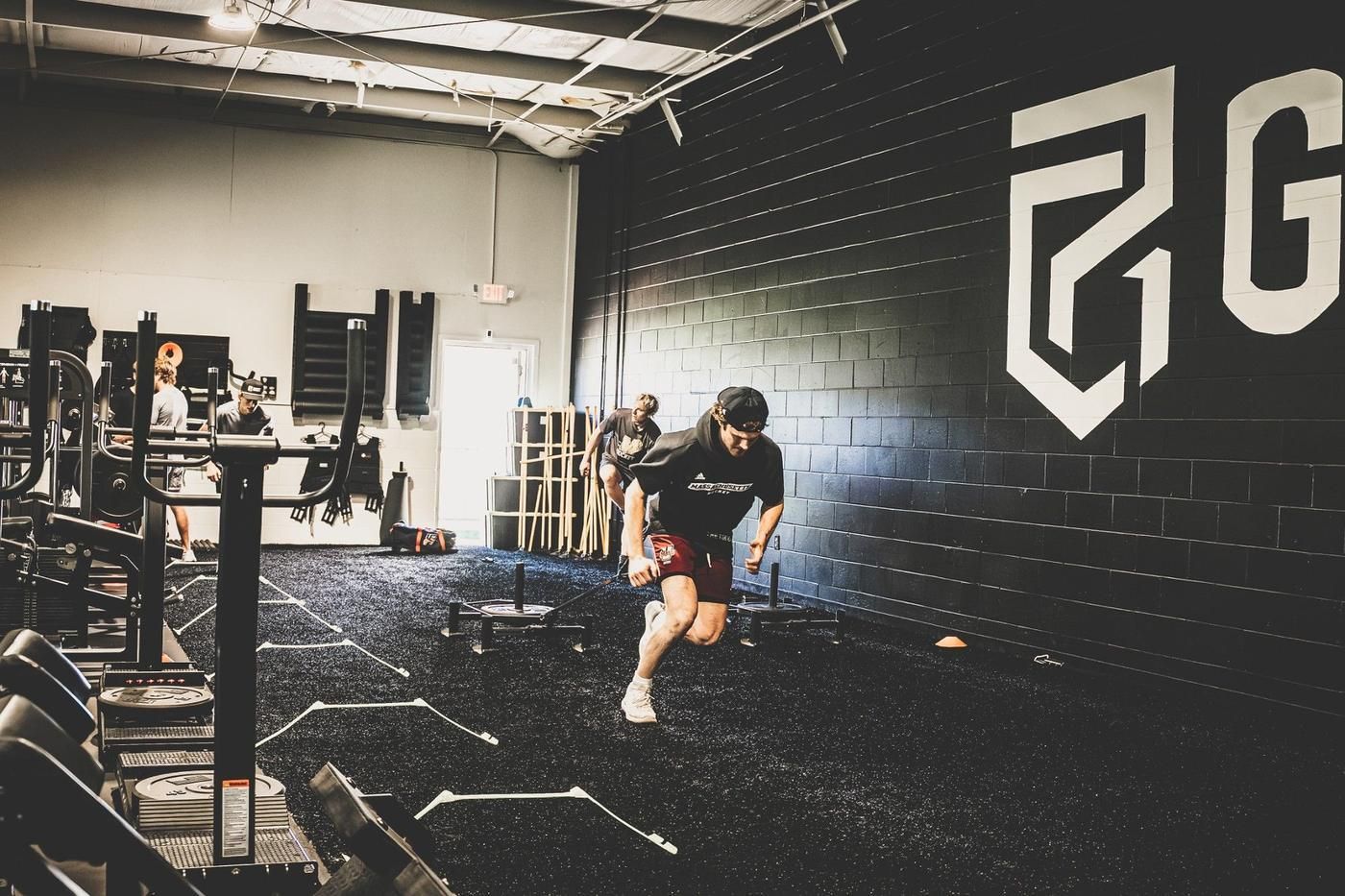
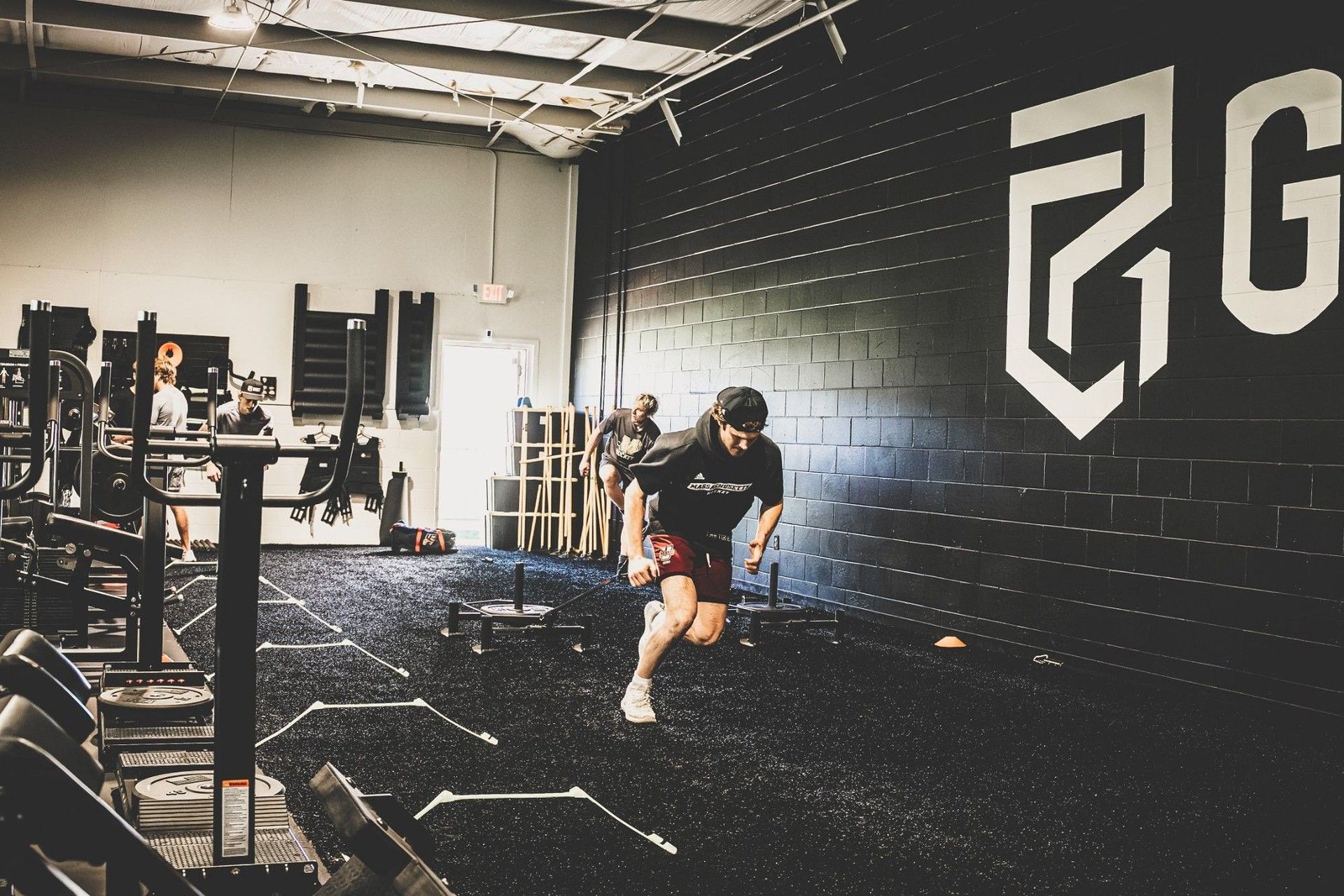
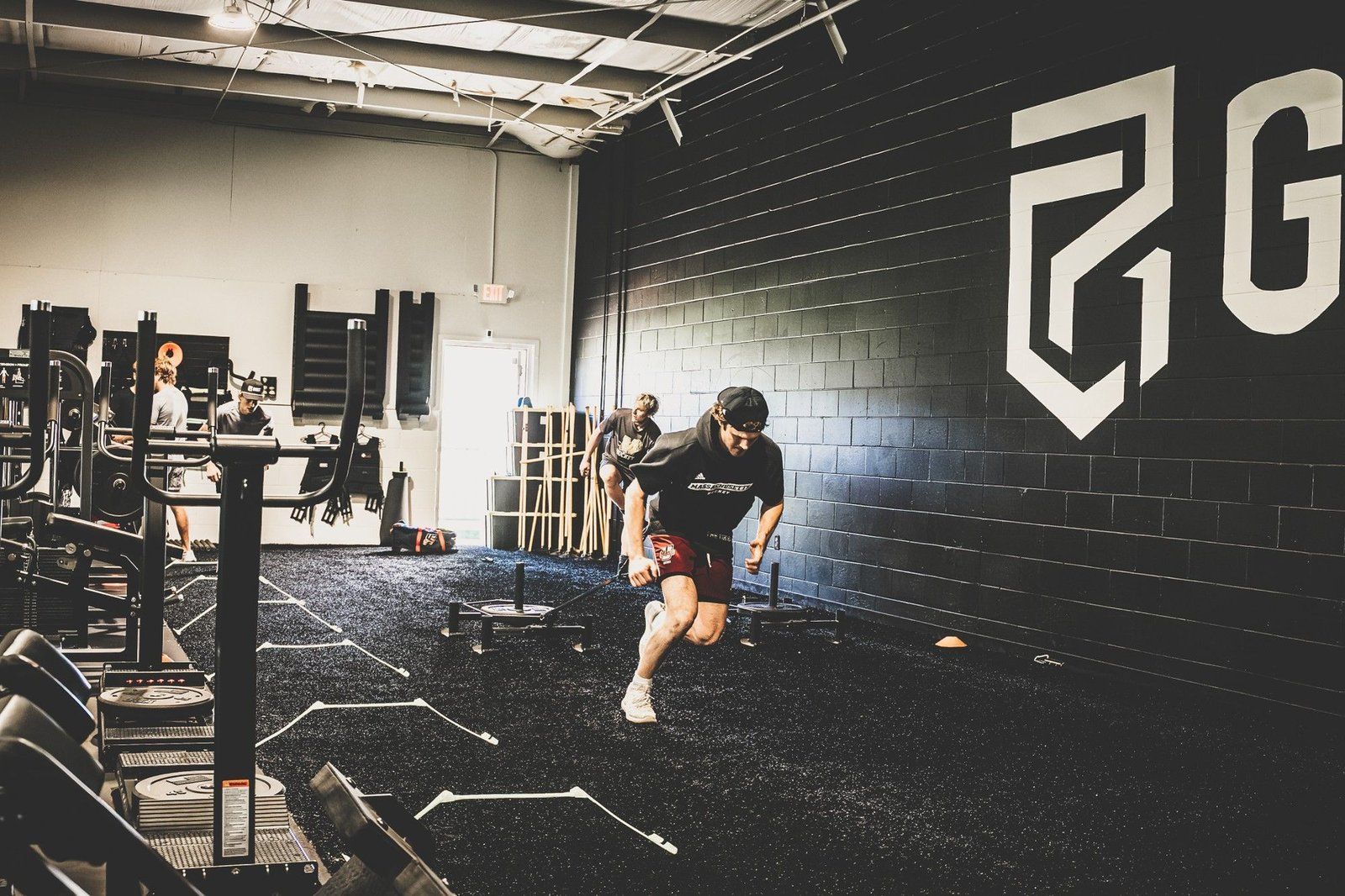
Ghost goalies on the ice. The position looks like a different sport. The body that survives it is built the same way.
The Definition, Up Front
Goalie strength training is the same progressive strength and power work skaters do, with the dosage adjusted for the position: more hip and groin capacity work, more single-leg and split-stance loading, less high-volume skating conditioning, and a bigger emphasis on trunk control through rotation.
Same lifts. Same progression. Same standards. Different amounts.
That definition matters, because the market sells the opposite. Goalie-specific programs, goalie-only equipment, goalie-branded circuits. Most of it is a skater program with a higher price tag and worse coaching.
What a goalie actually does on the ice is unusual. What builds the body to survive it is not.
Why People Think Goalies Need Something Separate
The position looks like a different sport. Butterfly drops, pushes, recoveries, post integrations, all in an 8-by-4 crease. Goaltenders drop into the butterfly somewhere around 34 times per game at the NHL level, and every one of those reps takes the hips into deep flexion and internal rotation.
That is a lot of exposure to one extreme position. It is also why the injury data looks the way it does. Intra-articular hip injuries in NHL players landed at 1.84 per 1,000 game appearances for goaltenders against 0.47 for defensemen and 0.34 for forwards. Goaltenders also show roughly 3.9 to 5.4 times the incidence of hip injuries compared with other positions.
So the assumption becomes: goalies must need special training. What that data actually says is narrower and more useful. Goalies need more capacity in a specific pattern, and they need it maintained all season. That is a dosage problem, not a new program.
The full anatomy of what the position demands, including the daily mobility work, is in our off-ice goalie training guide. This post is about the strength work that sits on top of it.
What Changes: Four Small Tweaks
1. More Hip and Groin Capacity, Less Guesswork
Every goalie keeps adductor and abductor work in the week, all year. Not because it is trendy. Because it is the tissue that has to hold the butterfly and survive the push out of it, and because it is the tissue that breaks first when the season gets heavy.
- Copenhagen adductor holds, both the short-lever and long-lever versions, programmed before the skating volume piles up.
- Lateral band work and standing hip abduction, done with control instead of speed.
- Hip mobility before the session, not after. A goalie who loads a cold hip into end range is testing luck.
Skater programs carry some of this. Goalie programs do not get to skip it, and they cannot treat it as a warm-up afterthought.
One warning: strength work does not buy unlimited range. If a goalie is grinding through hip pinching or a catching sensation in the front of the hip, that is a conversation with a clinician, not a cue to add more weight. We wrote about that pattern in hip pain in hockey players.
2. Single-Leg and Split-Stance First
Goalies almost never produce force from two feet at the same time. The push is one leg. The recovery is one leg. The save selection that decides a game is one leg doing something fast while the other leg does something else.
So the split squat, the rear-foot-elevated split squat, the step-up, the single-leg RDL, and the lateral lunge carry more of the total volume than they would in a skater's week. Squat and deadlift stay. They just do not get to be the whole story.
This is the same finding our team testing keeps surfacing. Roughly a third of the players we test show more than a 10 percent left-to-right gap on the single-leg jump. A goalie with a gap like that has one strong push and one push that shows up late. If you have never tested it, start with hockey fitness testing and the single-leg strength breakdown before you add another set of anything.
3. Less Skating-Style Conditioning, More Short-Burst Work
A skater's conditioning looks like repeated shifts: 45 seconds hard, a couple minutes of recovery, do it again. A goalie's looks like 3 to 6 seconds of violent work followed by 20 to 60 seconds of standing around, repeated for 60 minutes.
Training a goalie like a winger builds a big engine the position never uses and adds fatigue the position cannot afford. Keep the aerobic base with easy bike or walk work during the off-season. In-season, the goalie's conditioning is mostly the games and the practices.
This is also why the goalie week is lighter than the skater week in total volume, and why managing it matters as much as designing it. If the week is already full of starts and practices, see goalie game load before you add another hard day.
4. Trunk Control Through Rotation, Not Just Bracing
Every save involves the lower half and the upper half doing different things at the same time. Rotational control is what keeps the chest quiet while the hips travel, and it is what keeps the puck from squeezing through when the body is already committed.
- Pallof presses and half-kneeling anti-rotation holds, loaded heavier than most goalies load them.
- Med ball rotational throws, thrown hard rather than carefully.
- Single-arm carries and single-arm pressing, because the stick hand works alone.
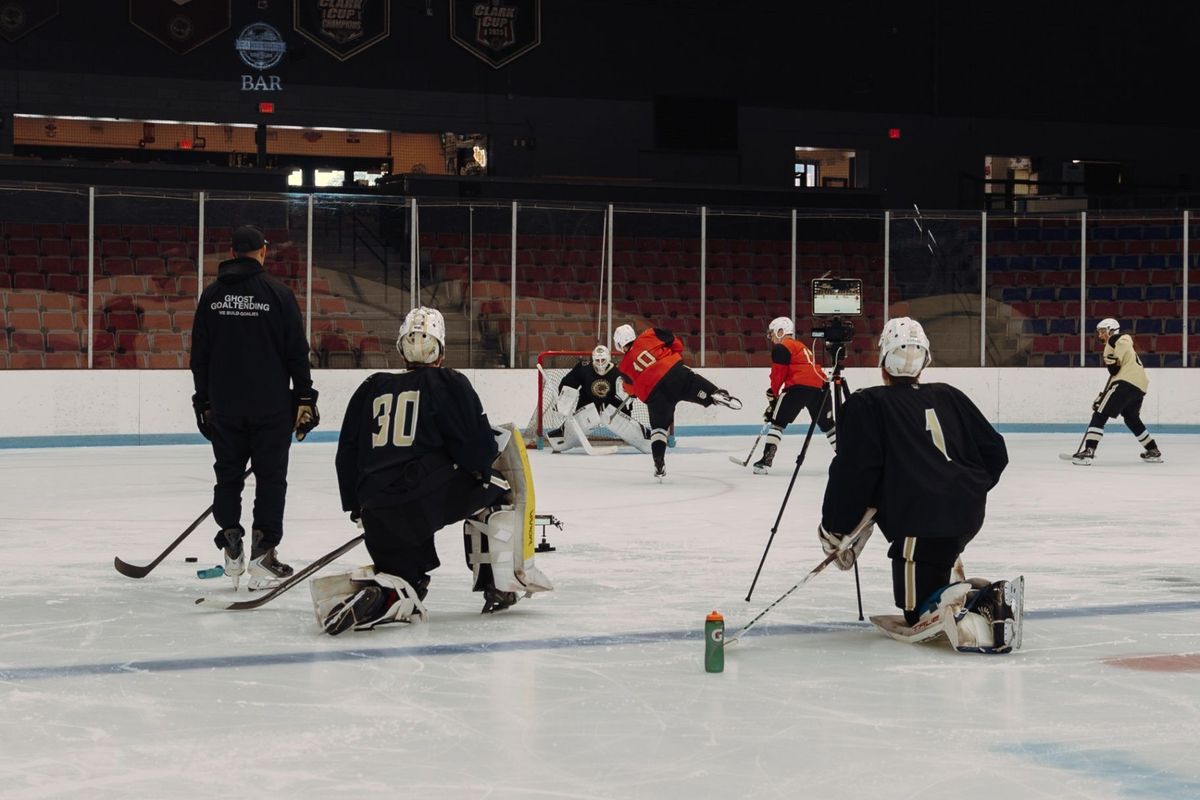
Every push is one leg. Every save is the lower half and upper half doing different jobs at the same time.
What Does Not Change
Everything structural. A goalie's program is built on the same four patterns as every other hockey player, and skipping them is the fastest way to a goalie who looks busy and tests slow.
- Squat: build the base of the position. A goalie who cannot squat below parallel with load has no business chasing butterfly depth on the ice.
- Hinge: deadlift and trap bar work drive the hips and protect the back. This is the engine behind the first push.
- Push and pull: shoulder health, stick control, and the ability to absorb contact in the crease.
- Progressive overload: the weight goes up, the reps go up, or the work gets faster. If none of those happen for eight weeks, nothing is being trained.
- Jump and land work: the goalie needs to absorb force, not just produce it. Landing mechanics protect the hip, the knee, and the season.
That is the entire point. Goalies are hockey players. Build the athlete, then layer the position on top.
Side by Side: Where the Weeks Actually Differ
Same program, different emphasis. Here is the honest version of what shifts when we write a goalie's week next to a skater's week in the same block.
- Hip and groin accessory work: goalies get it every week, all year. Skaters get it in blocks.
- Single-leg volume: goalies carry more split-stance and lateral work, fewer heavy bilateral sets.
- Total hard days: goalies usually run two, not three, once games start.
- Conditioning: goalies do short-burst work and lean on games. Skaters need their own repeated-shift conditioning.
- Testing emphasis: both get the same tests, but the goalie's lateral and rotation numbers get watched more closely.
- Upper body: goalies press and pull for shoulder durability and stick control, not for size.
Four tweaks. No new gym. No separate sport.
The Two Mistakes Goalies Make Most Often
Copying the Skater's Volume
The goalie who trains with the team all week and then adds goalie lessons, plus a private strength session, plus a skills skate, is not getting ahead. That goalie is accumulating load with no recovery runway. If the kid is dragging into games and the save percentage is sliding, check the volume before you check the technique.
Skipping the Boring Work for Crease-Specific Drills
Agility ladder, reaction ball, banded chaos, repeat. It looks like goalie training and it feels productive. It also does nothing for the adductor that has to survive 34 butterfly drops, or the single-leg strength that decides whether the second push arrives on time.
The goalie movement drills post covers the on-ice movement side. The gym side is what makes those reps hold up in February.
How to Test It Without a Lab
You do not need a force plate to know whether the work is landing. Four numbers, four times a year.
- Single-leg broad jump, left and right, measured in inches. Compare the two. A gap over 10 percent is a flag.
- Standing long jump, for raw lower-body power.
- 10-yard sprint, for acceleration.
- A timed short-burst test, like a 20-calorie bike sprint, for the capacity to repeat hard efforts.
Test in September, retest in December, retest in March, retest in June. Same tests, same order, same surface. Progress you cannot see is progress you will not protect.
Where This Fits in the Season
In-season, a goalie's strength work is maintenance plus one small push. Two hard sessions a week is usually the ceiling once the game schedule is real, and one of them can be short. The structure we use for the whole roster, including how to sequence the phases, is in the in-season training plan.
Off-season, the goalie trains like everyone else in the building: three to four lifting days, real progression, jumps and throws, and the hip work layered on top. That is when the capacity for the season gets built.
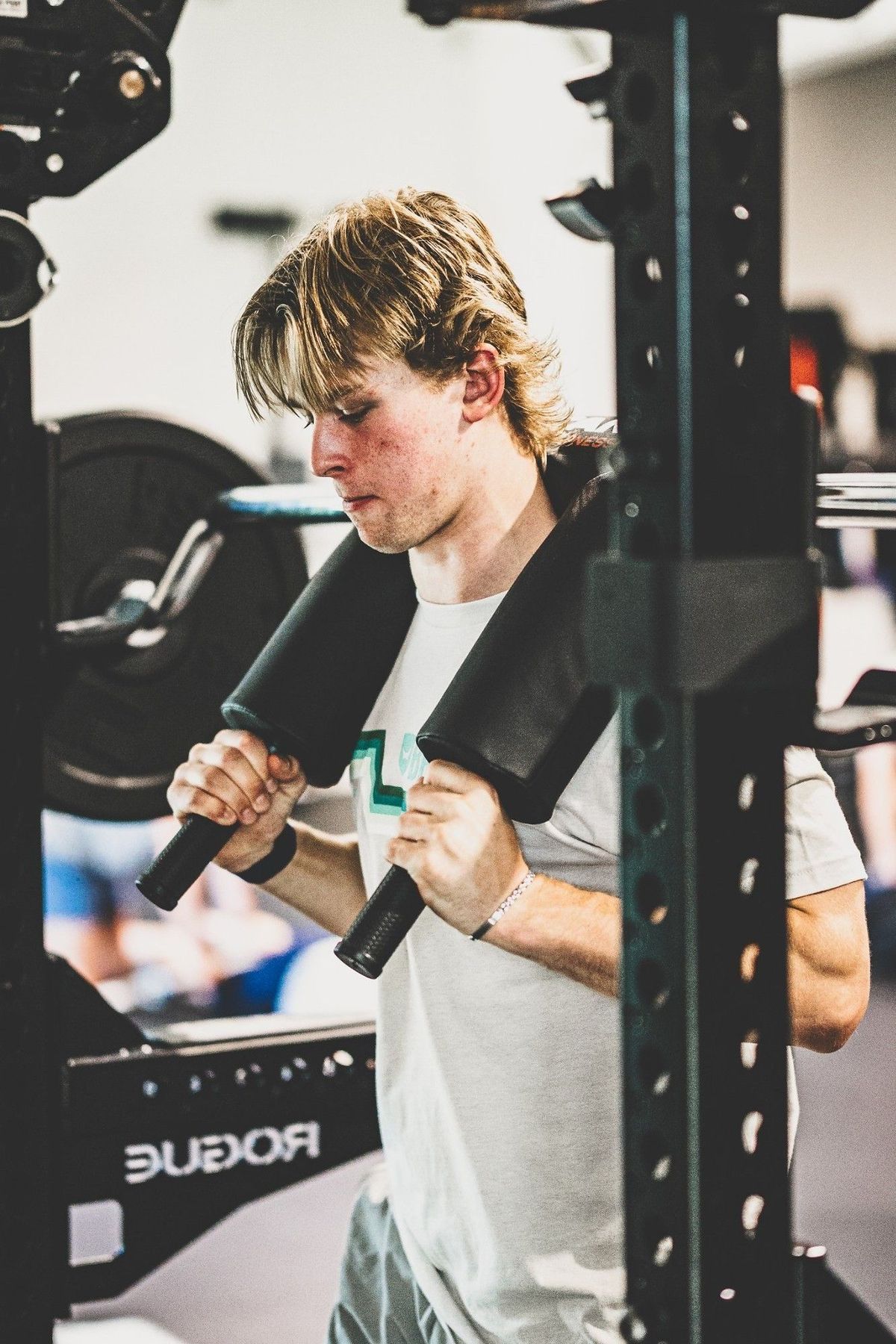
Same rack, same standards. The squat is the base of the position before it is anything else.
Goalie Strength Training FAQ
Does my goalie need a completely different strength program than my skater?
No. The program is the same. Four things shift: more hip and groin capacity work, more single-leg and split-stance volume, less repeated-shift conditioning, and more rotational trunk control. Same lifts, same progression, adjusted dosage.
How many days a week should a goalie lift in season?
Two hard sessions is the realistic ceiling once games are regular, and one of them can be short. Anything beyond that has to come out of skating volume, not get stacked on top of it.
What are the most important lifts for a goalie?
Squat, hinge, a unilateral push like a split squat or step-up, a lateral movement like a lateral lunge, and a pull. Add Copenhagen adductor work and rotational trunk work. Nothing exotic, done with real progression.
Will heavy lifting make my goalie slow?
No. Strength is the base that speed is built on. The risk is not lifting heavy, it is lifting heavy badly programmed with no recovery and no speed work alongside it. Train strength, then train fast.
How do I know whether the program is working?
Test the same four numbers every quarter: single-leg broad jump on both sides, standing long jump, 10-yard sprint, and a short-burst bike test. Look for progress and for the left-right gap closing. If neither moves in 12 weeks, the program is not the problem, the execution is.
Your Next Step
Stop shopping for a goalie-specific program. Start with the plan that builds the athlete, then make the four tweaks that make it a goalie's plan.
We build goalies in the same building, with the same testing, the same strength coach, and the same standards as every skater on the roster. See our goalie programs, or explore our training programs and put your goalie on a plan that gets measured. If you want the long version of how goalie development fits together, start with the complete goalie development guide.
Dr. Jamie Phillips, DPT, CSCS
Ghost Athletica LLC | Hockey Performance Training | Grand Rapids, MI