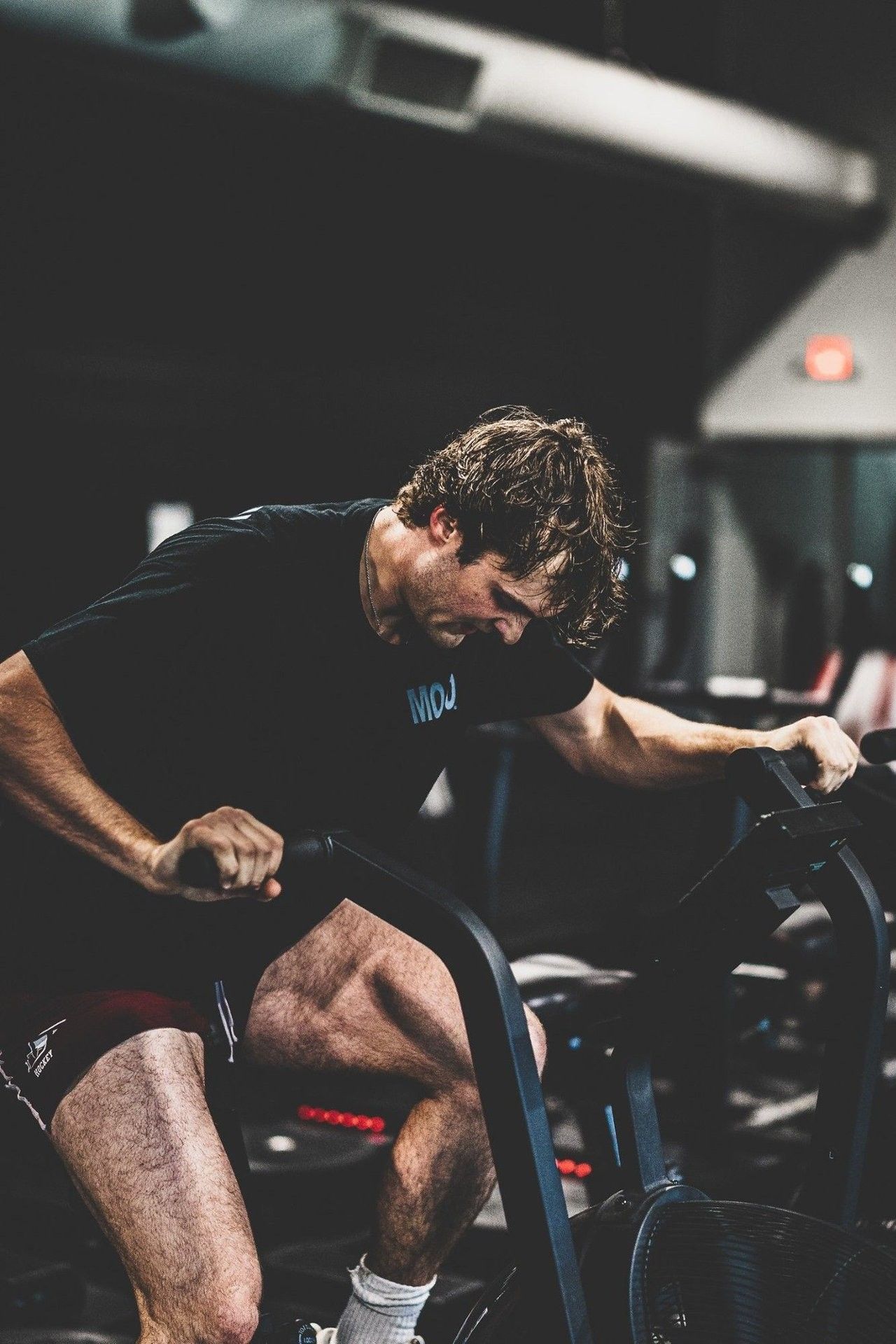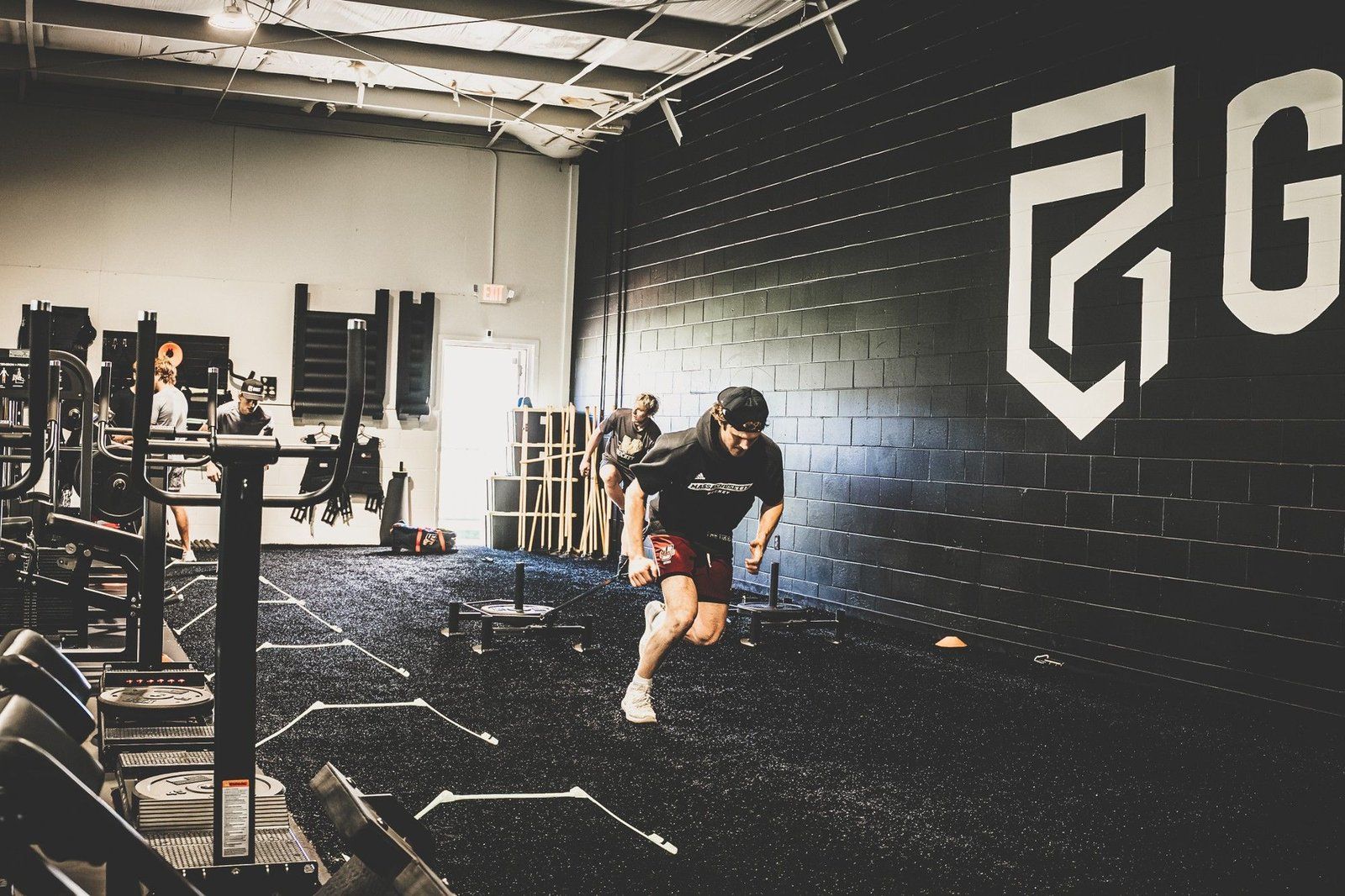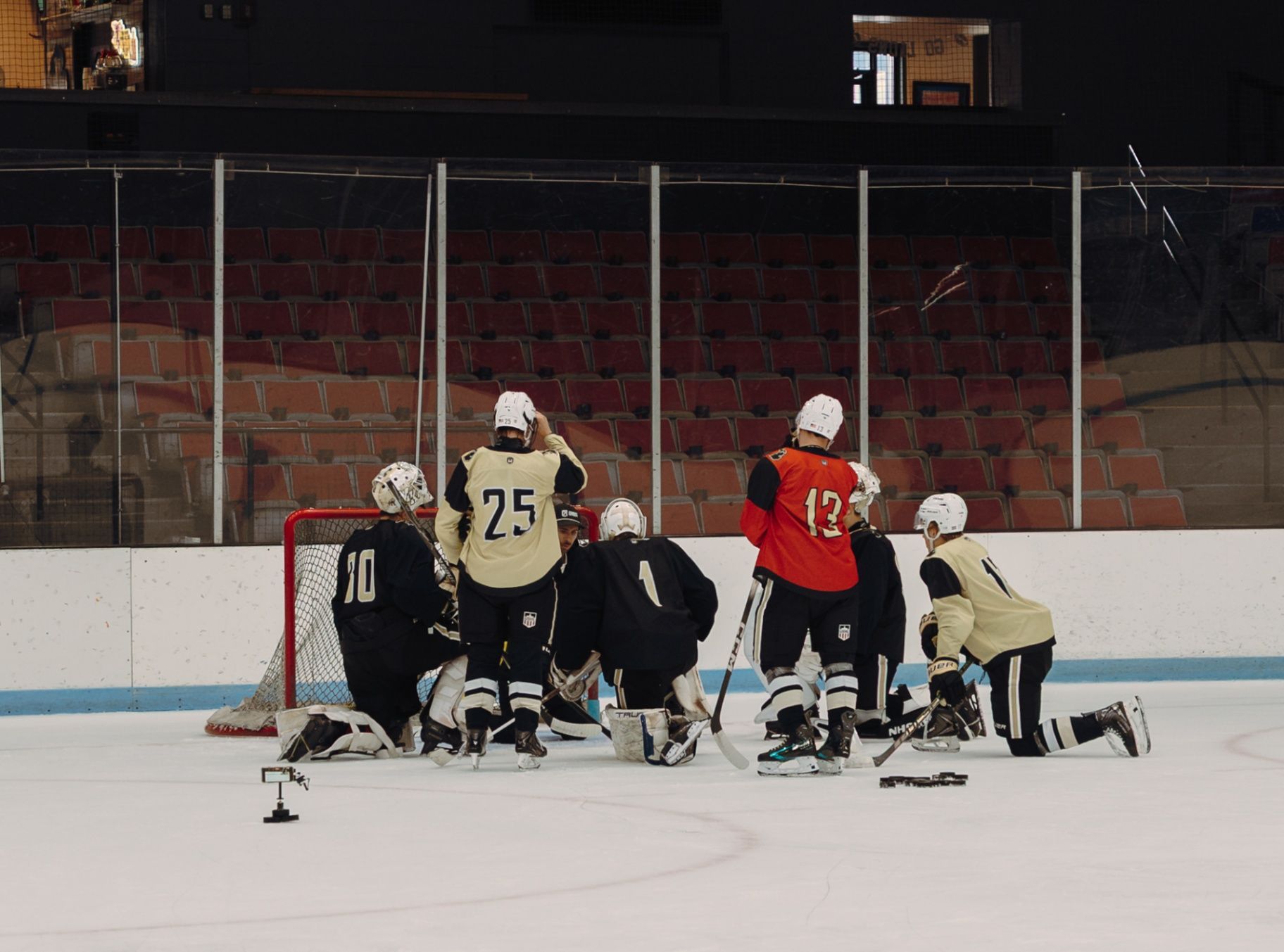
Off-Ice Goalie Training: What Elite Goalies Do Between Games
The Gap Most Goalies Never Close: A Complete Off-Ice Training Guide for Hockey Goaltenders
The gap most goalies never close is not technical. It is physical. Goaltenders spend hours in on-ice sessions refining their butterfly, their post integration, their rebound control. Almost none of them train the body that has to execute all of it, day after day, across a full season. This guide covers exactly what off-ice training for hockey goalies should look like, structured by frequency, built on the science of what goaltenders actually need, and designed to be sustainable alongside a full hockey schedule.
Why Off-Ice Training Is Non-Negotiable for Goalies
The goaltender position places demands on the human body that have no equivalent in other sports. Hip and groin injuries are among the most common sports-related injuries in ice hockey, and goaltenders are at particular risk due to the unique demands of their position, particularly with the widespread use of the butterfly technique, placement of the hip in extreme ranges of motion during play, and the high repetition of skills. ScienceDirect
The numbers back that up. Goaltenders had significantly higher hip and groin injury rates at 1.84 per 1000 game appearances compared to positional players at 0.34 to 0.47 per 1000 appearances. That is not a small gap. It is a structural vulnerability built into the position itself, and off-ice training is the primary tool for managing it. PubMed Central
The butterfly involves hip internal rotation, hip adduction, and hip extension, performed countless times during practice and an average of 25 times per game for shots that actually hit the net. The recovery out of the butterfly involves hip external rotation, hip flexion, and hip abduction, and more importantly involves spinal rotation. The power a goalie generates comes from the rotation of the hips around the spine. NASM
No amount of on-ice reps alone develops and protects that capacity. The off-ice work has to be intentional, consistent, and specific to what the position demands.
TL;DR: The butterfly style makes goalies uniquely vulnerable to hip and groin breakdown. Structured off-ice training is the primary mechanism for building the strength and mobility that keeps a goalie healthy and explosive across a full season.
Daily: Hip and Groin Mobility (10 to 15 Minutes)
Hip and groin mobility is the single highest-return daily habit a goalie can build. It takes less than fifteen minutes, it can be done anywhere, and the research is unambiguous about its importance for goaltenders at every level.
Goaltenders demonstrate a 3.9 to 5.4 times higher incidence of hip injuries compared to other positions, at 1.84 per 1000 player-game appearances. Approximately 69% of elite ice hockey goaltenders deal with hip-related issues at some point in their careers. Daily mobility work is not optional maintenance. It is the front-line intervention against an injury pattern that ends careers. Journal of Orthopaedic & Sports Physical Therapy
The daily mobility routine for goalies should target three primary areas.
Hip internal and external rotation. The 90/90 hip stretch is the foundational movement here. Sit on the floor with both legs bent at 90-degree angles, one in front and one behind. Lean forward over the front leg while maintaining a neutral spine. Hold 30 seconds per side. This movement directly mirrors the hip demands of butterfly drops and RVH transitions.
Adductor and groin length. The adductors are the muscles most frequently strained in goalies, and they are almost universally undertrained in the general athlete population. Half-kneeling adductor rocks, lateral lunge stretches, and groin-specific holds should be staples. Research on NHL players found that those who reported fewer than 18 sessions of sport-specific off-season training were at more than three times the risk of groin injury compared to those who maintained their training, making consistent off-season and in-season preparation a clear protective factor. PubMed
Hip flexor length and quad mobility. Goalies spend significant time in a crouched, loaded position. That posture chronically shortens the hip flexors and quadriceps. The couch stretch, targeting hip flexors and quads simultaneously, is one of the most effective tools for counteracting this pattern and should be included in every daily session.
Dynamic warm-up versions of each of these movements, performed before practices and games, prepare the joint for the extreme ranges that butterfly play demands. Static holds, performed after practice or before bed, build the resting tissue length that makes those ranges available without compensation.
TL;DR: Ten to fifteen minutes of daily hip and groin mobility work is the most protective thing a goalie can do. It directly addresses the position's highest injury risk and costs almost no recovery resources.
Twice Weekly: Goalie-Specific Strength (30 to 45 Minutes)
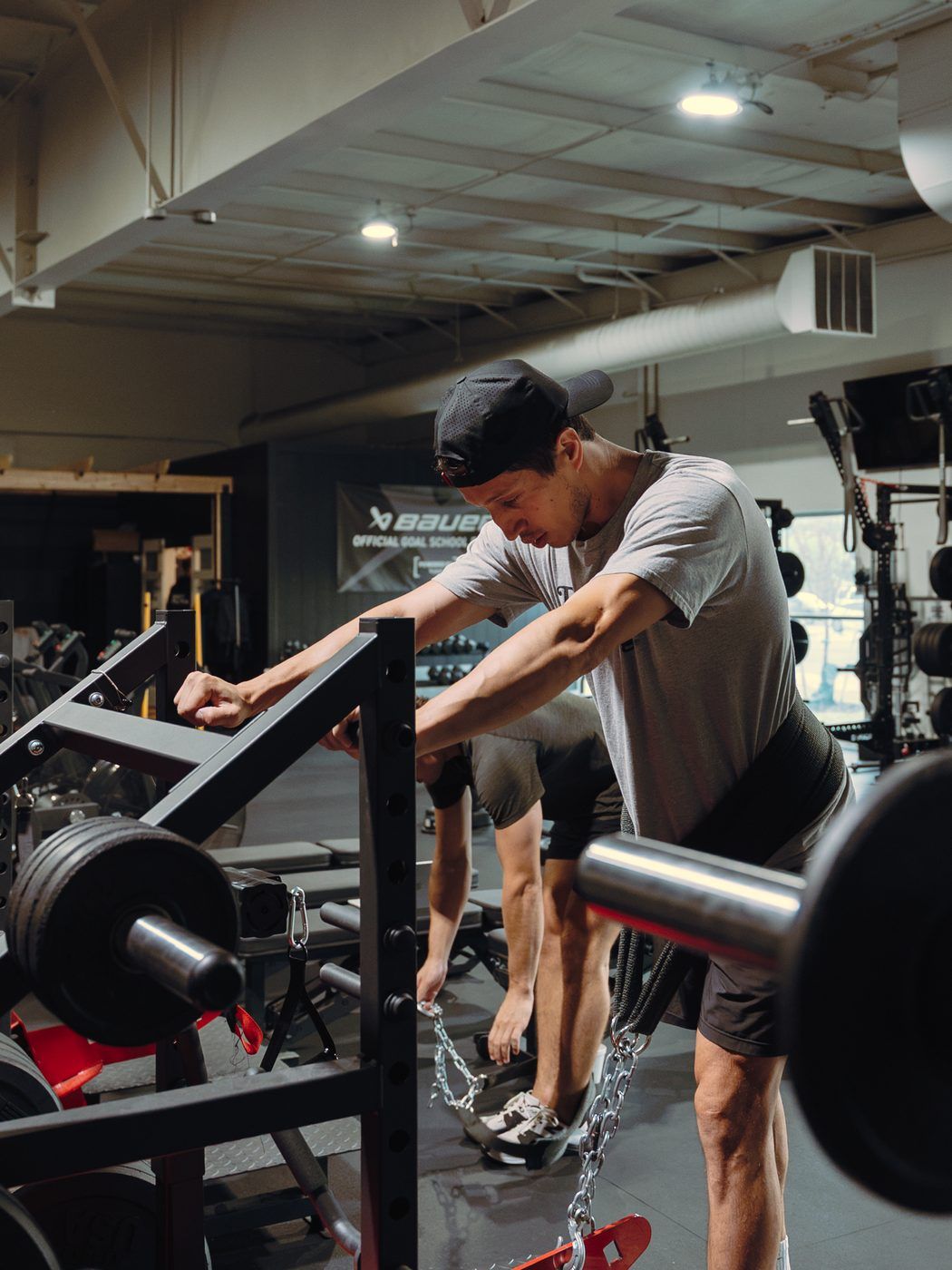
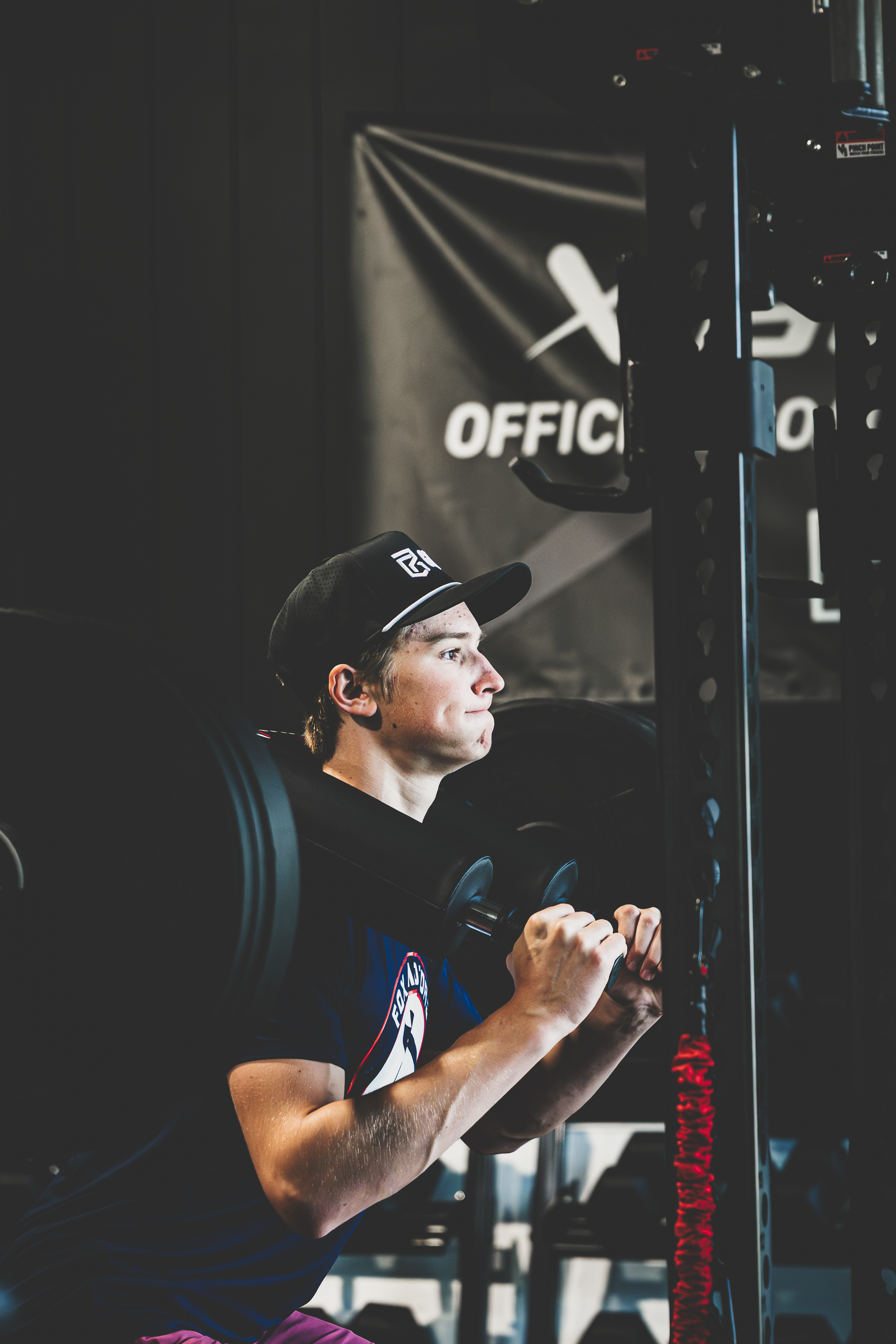
Goalie-specific strength training, done twice weekly, builds the physical capacity that translates directly to save performance and injury resilience. This is not general fitness work. The exercises, the loading, and the movement patterns should map directly to what happens in the crease.
Goalies must generate enough force through their skate blades to lift their body weight plus equipment from a butterfly position back to standing, often while simultaneously moving laterally. The functional core for goaltending includes everything from the hips to the shoulders, providing the stable platform from which mobile, explosive movements occur. RinkHive
The twice-weekly session structure should address three areas in each block.
Hip Strength and Lateral Power
Lateral power is what separates goalies who look athletic from goalies who are athletic. The ability to push explosively from side to side, absorb a save, and immediately reset requires hip abductor and adductor strength that most training programs simply do not develop.
Key exercises for this category include lateral band walks and clamshells for hip abductor activation, lateral bounds and single-leg lateral box step-offs for explosive lateral power, and sumo-stance goblet squats and Copenhagen adductor exercises for groin strength and adductor loading tolerance. The gluteus medius is the muscle used to raise a leg to the side or open the hips, which is particularly important for moving laterally when exploding side-to-side in the net or kicking the legs out into the butterfly position. Mini-band exercises targeting this muscle should be part of every strength session. Stack.com
Posterior Chain: Recovery Power
Every butterfly recovery is a posterior chain event. The glutes, hamstrings, and lower back control the descent into the butterfly and drive the explosion back to the feet. A goalie whose posterior chain is weak or fatigued will lose their recovery speed before the third period ends.
The gluteus maximus is the muscle primarily responsible for extending the hips, and it is the critical muscle group for controlling a goalie's descent into the butterfly and exploding back into the ready position. Single-leg glute bridges, Romanian deadlifts, and hip thrusts are the primary tools for developing this capacity. Progress single-leg variations to build the asymmetrical strength that butterfly save sequences demand. Stack.com
Hamstring work is equally important and frequently neglected. Nordic hamstring curls, single-leg deadlifts, and stability ball leg curls train the hamstrings to decelerate and control movement, not just produce it. This eccentric strength is what protects the posterior chain under the repeated loading of a full game.
Core Stability
The anterior core, including the abs and hip flexors, is crucial for the explosive lifting motion that brings a goalie from butterfly back to their feet. The posterior core, including the lower back, glutes, and hamstrings, controls the descent into butterfly and provides stability in the position. The lateral core, including the obliques and hip abductors and adductors, enables lateral movements and maintains balance during side-to-side recoveries. RinkHive
Effective core training for goalies goes well beyond planks and crunches. Anti-rotation exercises like the Pallof press teach the core to resist unwanted movement, which is the primary job of the core during a save sequence. Dead bugs train the anterior core to stabilize while the limbs move, which is exactly what happens in every butterfly drop. Side plank variations develop the lateral core that powers and protects side-to-side movement.
A 10 to 15 minute core block at the end of each strength session, focused on stability and anti-rotation rather than flexion, is sufficient to build meaningful capacity over a season.
TL;DR: Twice-weekly strength work targeting hip power, posterior chain explosiveness, and core stability builds the physical output a goalie needs to sustain performance deep into games and deep into a season.
Weekly: Reaction and Vision Training (20 Minutes)
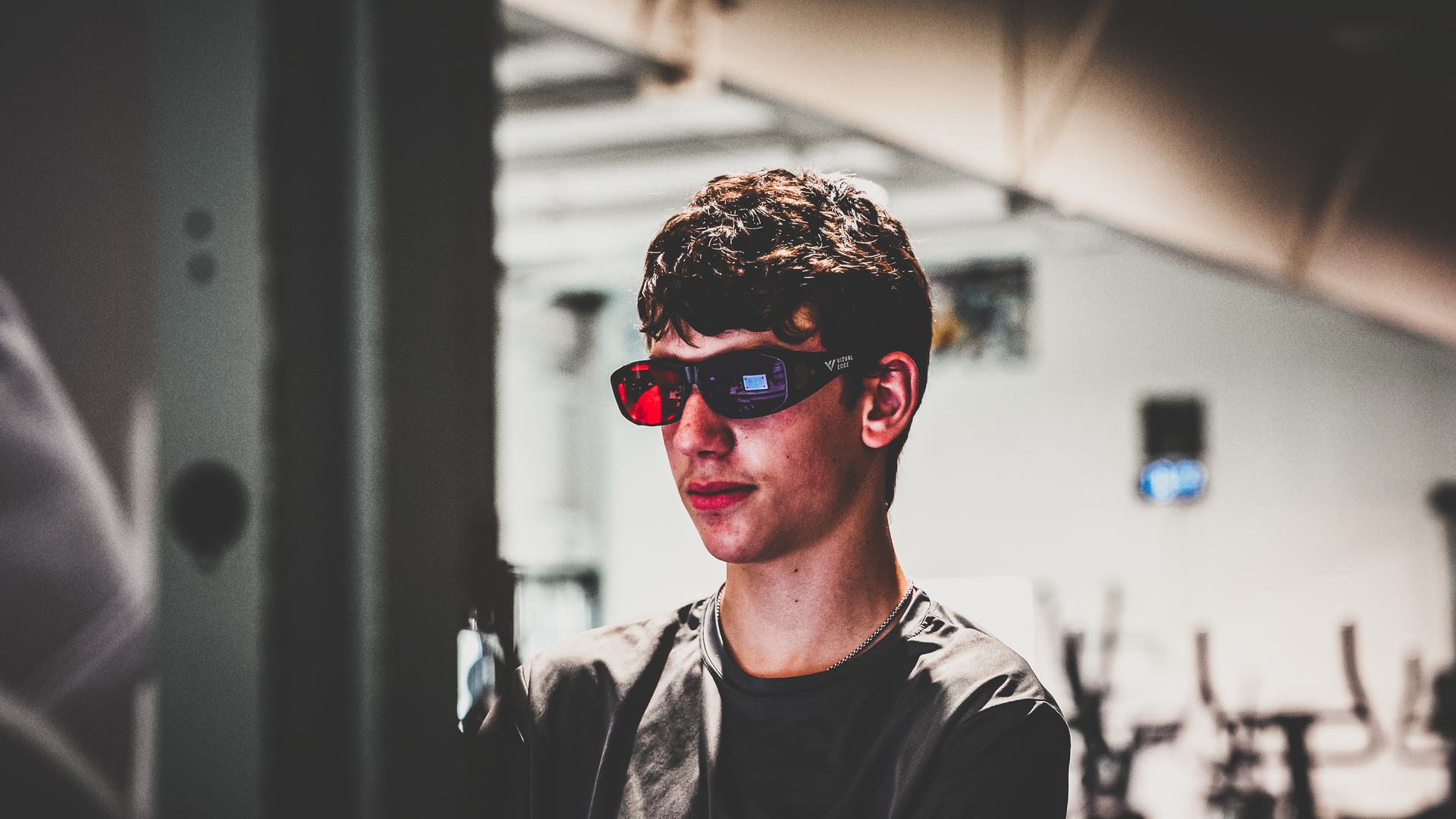
Reaction and vision training, done once or twice weekly for 20 minutes, develops the perceptual-cognitive skills that govern how a goalie reads and responds to shots. This is one of the most underdeveloped areas in goalie training at every level below the professional ranks.
Goaltending is almost entirely a visual-perceptual task. Tracking a puck through a screen, reading shot release through traffic, reacting to a deflection with minimal processing time, none of these are purely physical events. They depend on how quickly and accurately the visual system can gather information and how effectively the brain translates that information into movement.
Research on "quiet eye" in goaltenders, which refers to the final, sustained fixation on a target before initiating a movement response, has found that expert goaltenders maintain a longer and earlier-onset quiet eye than near-expert counterparts. This focused gaze pattern is a trainable behavior, and it predicts save success on deflected shots specifically, one of the highest-difficulty visual tasks in the position.
Practical vision training for goalies does not require expensive equipment. The principles can be applied with simple tools. Reaction ball work on a rebounder develops unpredictable tracking. Strobe training, where visual input is intermittently disrupted, has been shown in research with professional hockey players to improve on-ice skill performance by measurable margins. Tennis ball drops and hand-eye coordination drills develop the visual-motor connection that underlies glove and blocker saves.
The weekly vision session should be kept under 20 minutes and should feel like it is building a skill, not burning energy. This is neurological training. Quality and focus matter more than volume.
TL;DR: Weekly reaction and vision training develops the perceptual skills that govern how a goalie tracks pucks, reads plays, and responds to deflections. These are trainable skills, not fixed traits, and most goalies have never deliberately developed them.
Between Games: Recovery Protocols
Recovery between games is where goalie performance is either protected or eroded. A goalie who trains hard and recovers poorly will accumulate fatigue across a season until their performance degrades without an obvious explanation. A goalie who treats recovery as structured as their training will stay sharper longer.
The four pillars of between-game recovery for goalies are sleep, nutrition timing, soft tissue work, and controlled cold exposure.
Sleep. This is the non-negotiable foundation. Sleep is when muscle repair occurs, when the central nervous system resets, and when the perceptual-cognitive adaptations from training and game experience are consolidated. Seven to nine hours per night is the evidence-supported target for athletes. For goalies who play late games, the priority is protecting total sleep time, even if bedtime shifts later. Consistency in sleep and wake times across the week also matters significantly for quality.
Post-game nutrition. The window immediately after a game is the highest-leverage nutritional opportunity in a goalie's recovery timeline. Carbohydrates begin replenishing glycogen stores that were depleted during the game. Protein initiates muscle repair. A meal or shake containing both within 30 to 60 minutes of the final buzzer meaningfully accelerates how the body recovers before the next skate. Delaying this window by hours, which is common among players who skip the locker room nutrition routine, extends the recovery timeline into the following day.
Soft tissue work. Fifteen minutes of foam rolling and targeted mobility, focused on the hips, groin, and thoracic spine, reduces post-game stiffness, maintains tissue quality over the course of the season, and keeps the ranges of motion available that butterfly play demands. This can be done the same evening as a game or the following morning.
Cold water immersion. Cold water immersion post-game reduces acute inflammation and muscle soreness by applying hydrostatic pressure to tissues, enhancing removal of metabolic waste products and reducing the extent of exercise-induced inflammation. The key variable is timing. Cold water immersion within 30 minutes of bed can delay sleep onset because the cold immersion triggers a rebound elevation in core temperature as the body warms back up. The recommendation from most sports physiologists is to do cold water immersion immediately post-game, at least two hours before planned sleep. Mattress Miracle
TL;DR: Between-game recovery is structured work, not passive rest. Sleep quality, post-game nutrition, soft tissue maintenance, and properly timed cold exposure are the four tools that keep a goalie performing at their ceiling across a full season.
Ghost Athletica's Goalie Development Program
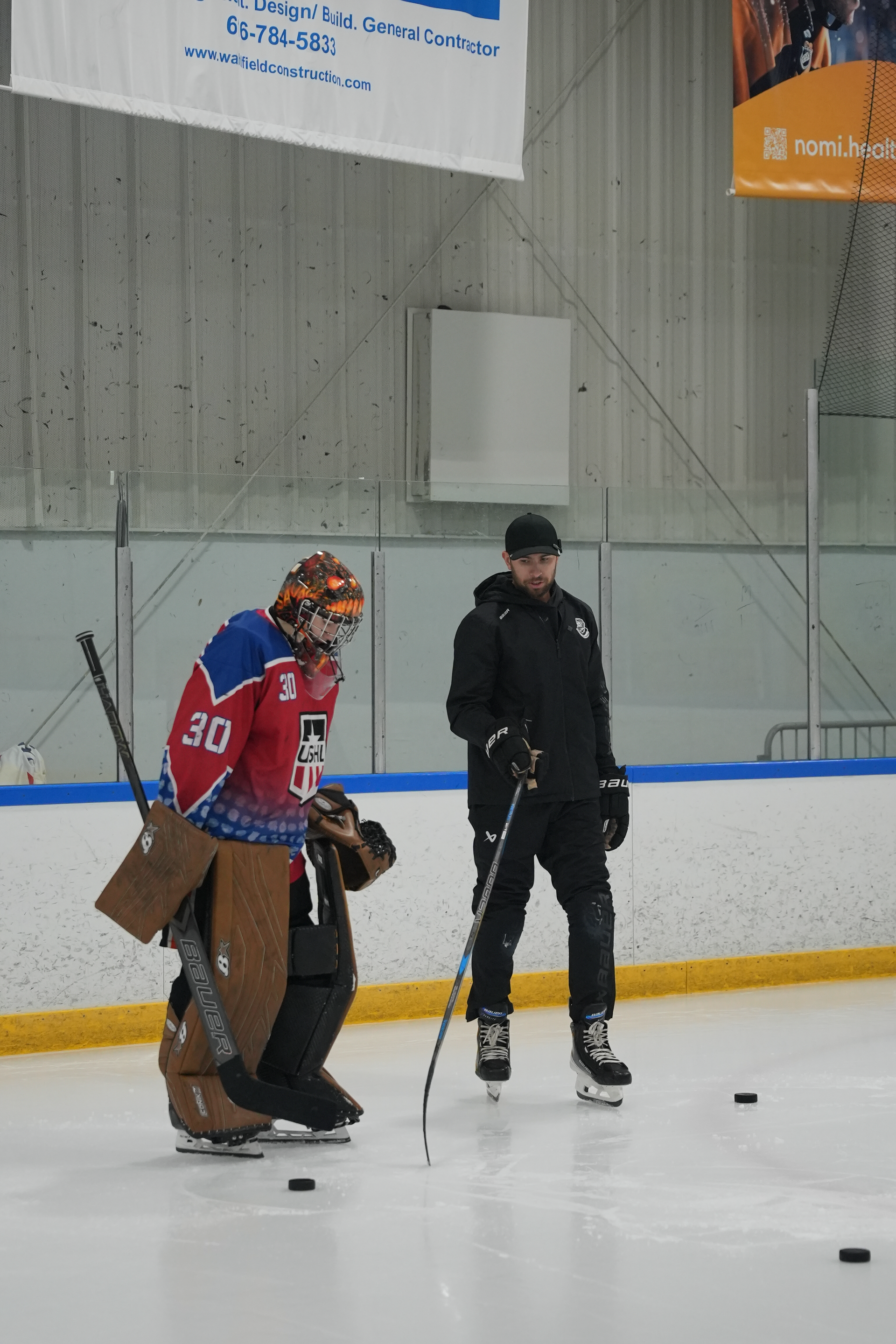
Ghost Athletica, based at Southside Ice Arena in Byron Center, Michigan, provides hockey-specific performance training with a dedicated track for goaltenders. Our Elite Goalie Method integrates off-ice strength and conditioning, mobility and injury prevention, nutrition, vision training, film review, and mental performance coaching into a single development framework.
Most goalie programs address technical skill on the ice. We address the physical and perceptual system that executes that skill, game after game, across the full season and into the next.
If you are a goalie who has been focused entirely on what happens between the pipes and not on what is happening to your body between games, we would be glad to talk through what a more complete development approach would look like for you.
Frequently Asked Questions About Off-Ice Goalie Training
What should goalies do off the ice?
Goalies should prioritize four categories of off-ice work: daily hip and groin mobility (10 to 15 minutes), goalie-specific strength training twice per week (30 to 45 minutes per session), weekly reaction and vision training (20 minutes), and consistent recovery protocols between games including sleep, post-game nutrition, soft tissue work, and cold water immersion. The goal is to build and maintain the physical and perceptual capacity the butterfly style demands, while actively managing the injury risk the position creates.
How do goalies train between games?
Between games, the priority shifts from building capacity to protecting what already exists. Soft tissue work targeting the hips, groin, and thoracic spine should be done the evening of a game or the following morning. Post-game nutrition, specifically a combination of carbohydrates and protein within 30 to 60 minutes of the final buzzer, accelerates glycogen replenishment and muscle repair. Cold water immersion done immediately post-game, at least two hours before sleep, reduces acute inflammation without disrupting sleep onset. Sleep of seven to nine hours per night is the highest-leverage recovery tool available to any goalie.
What is the best off-ice exercise for goalies?
There is no single best exercise, but if forced to choose a category, daily hip and groin mobility work produces the most consistent return across the entire population of goalies. The hip internal and external rotation demands of the butterfly style, combined with the documented injury rates at that joint, make mobility maintenance the highest-priority off-ice habit. Within strength training, single-leg glute bridges and Copenhagen adductor exercises address the two muscle groups most directly responsible for butterfly recovery power and groin injury prevention.
How often should goalies train off the ice?
Daily mobility work of 10 to 15 minutes is sustainable year-round and should be done every day, including game days. Strength training two to three times per week is appropriate for most goalies during the season, with three to four sessions per week during the off-season. Reaction and vision training can be incorporated one to two times per week for 15 to 20 minutes. Total structured off-ice time for an in-season goalie of 45 to 60 minutes per day is sufficient to produce meaningful improvements in performance and injury resilience without compromising on-ice readiness.
Is off-ice training different for goalie positions versus skaters?
Yes, significantly. Skaters primarily need linear and multidirectional power, general lower body strength, and aerobic conditioning. Goalies need extreme ranges of hip motion under load, lateral power from a low center of gravity, anti-rotation core stability, and the ability to recover from the butterfly position repeatedly under fatigue. A skater's training program applied to a goalie will develop general fitness but miss the position-specific demands that determine goalie performance and injury resilience. Goalie training must be designed for the goalie position, not adapted from a skater program.
When should a young goalie start off-ice training?
Structured off-ice training for goalies can begin as early as age 12 to 13, with appropriate age-scaling of intensity and volume. At younger ages, the emphasis should be on movement quality, foundational mobility, and bodyweight strength rather than loaded exercises. The hip mobility habits and movement patterns established early in a goalie's development create the foundation for safe, high-volume butterfly training as the athlete grows and the game speeds up. Starting off-ice training early is significantly safer and more effective than waiting until an injury forces the conversation.
About the Author: Dr. Jamie Phillips is a Doctor of Physical Therapy, former professional hockey player, former NCAA D1 goalie coach, and Director of Goaltending at Fox Motors Hockey Club. He is the founder of Ghost Athletica and Ghost Rehab and Performance, both located at Southside Ice Arena in Byron Center, Michigan. His practice specializes in hockey-specific physical therapy, goaltender development, and complete athlete performance.

The body content of your post goes here. To edit this text, click on it and delete this default text and start typing your own or paste your own from a different source.
Recent Posts