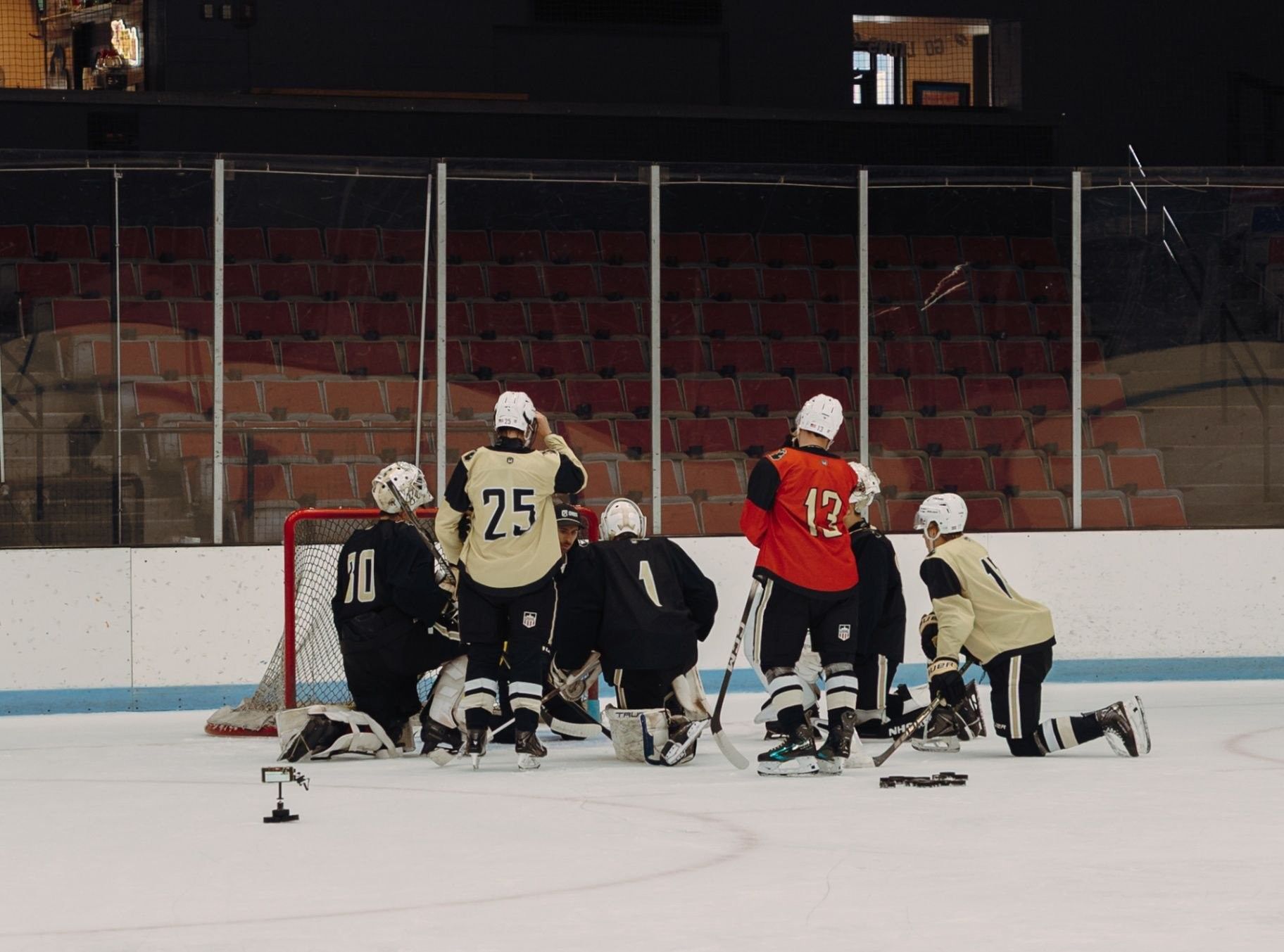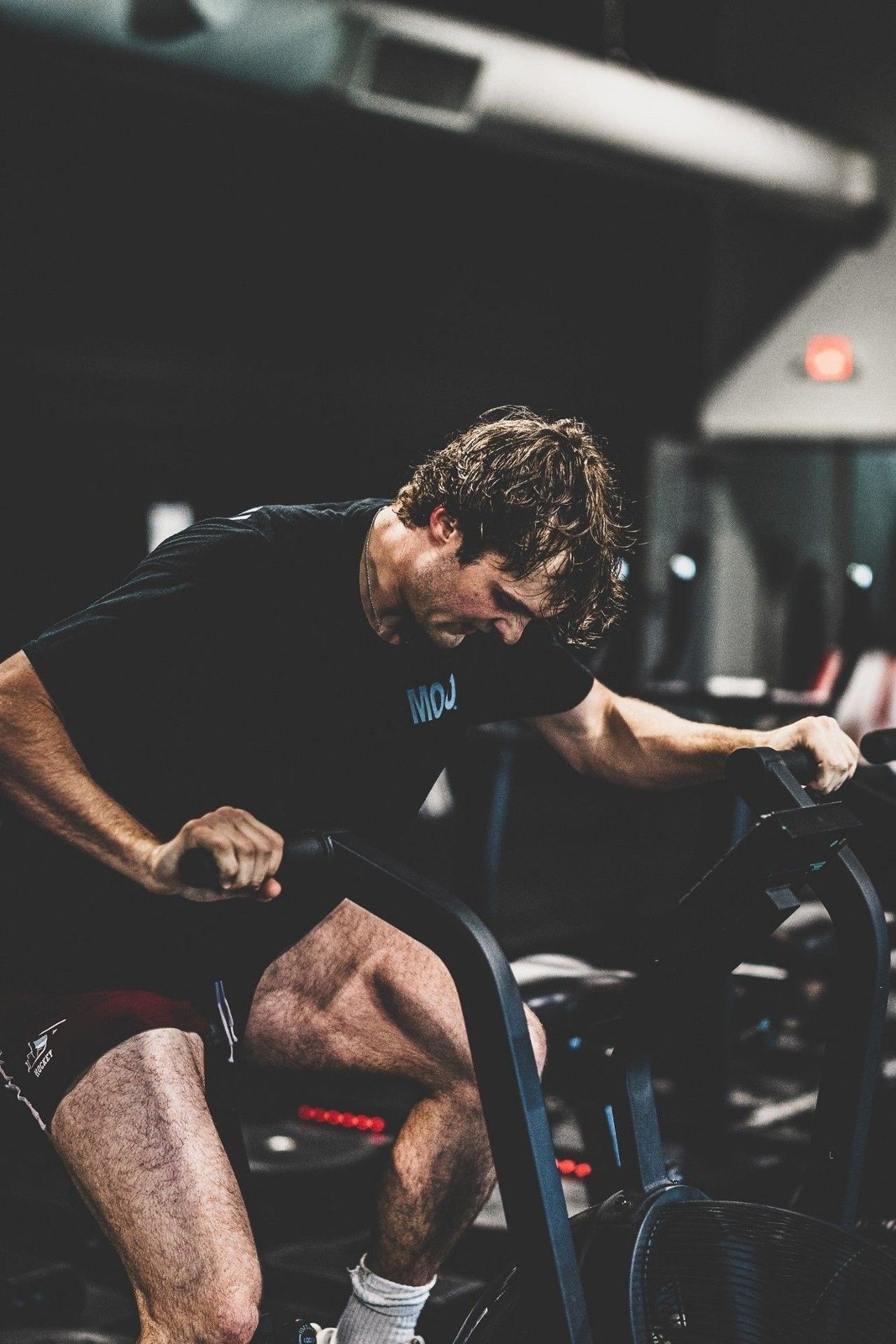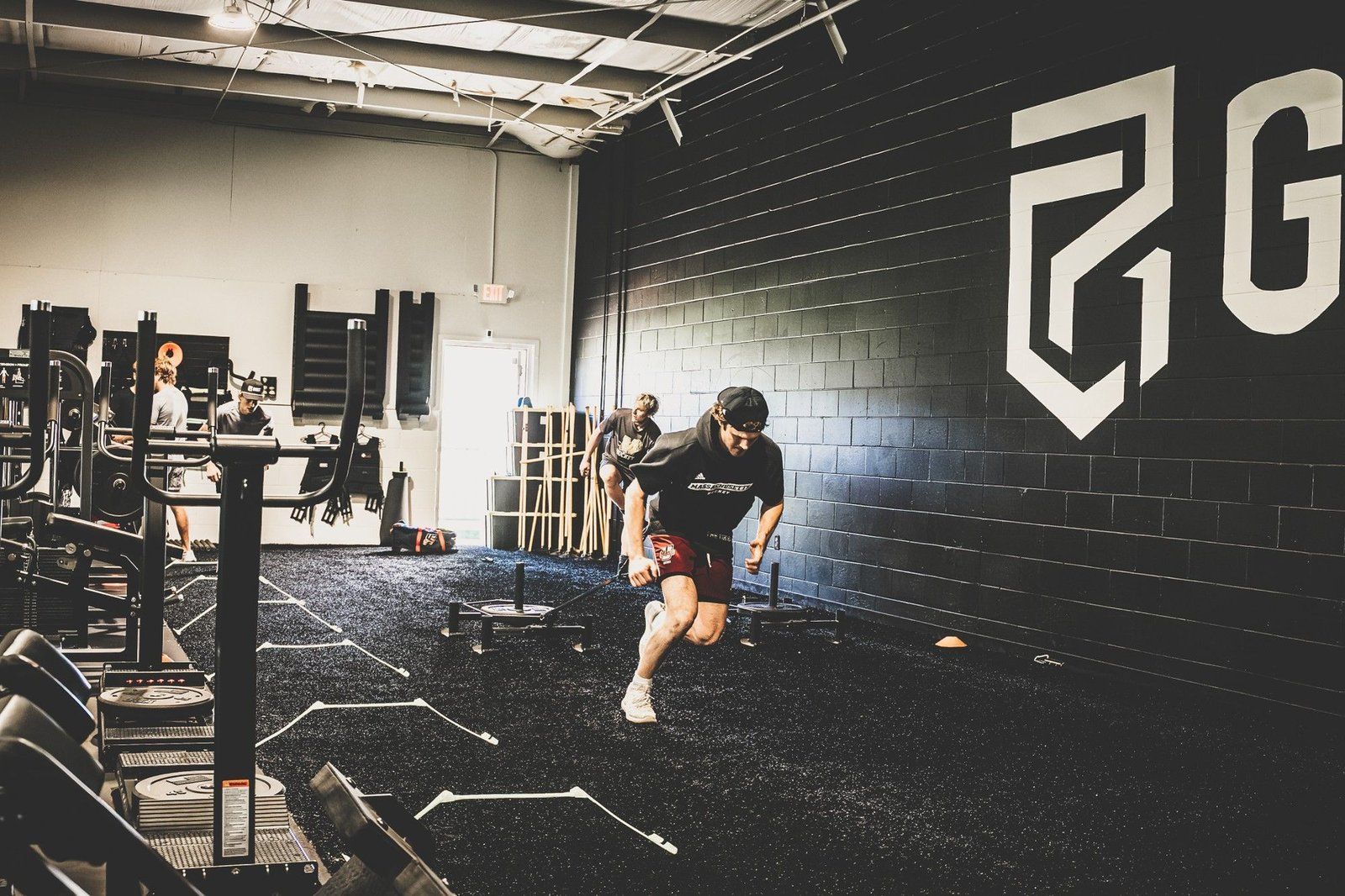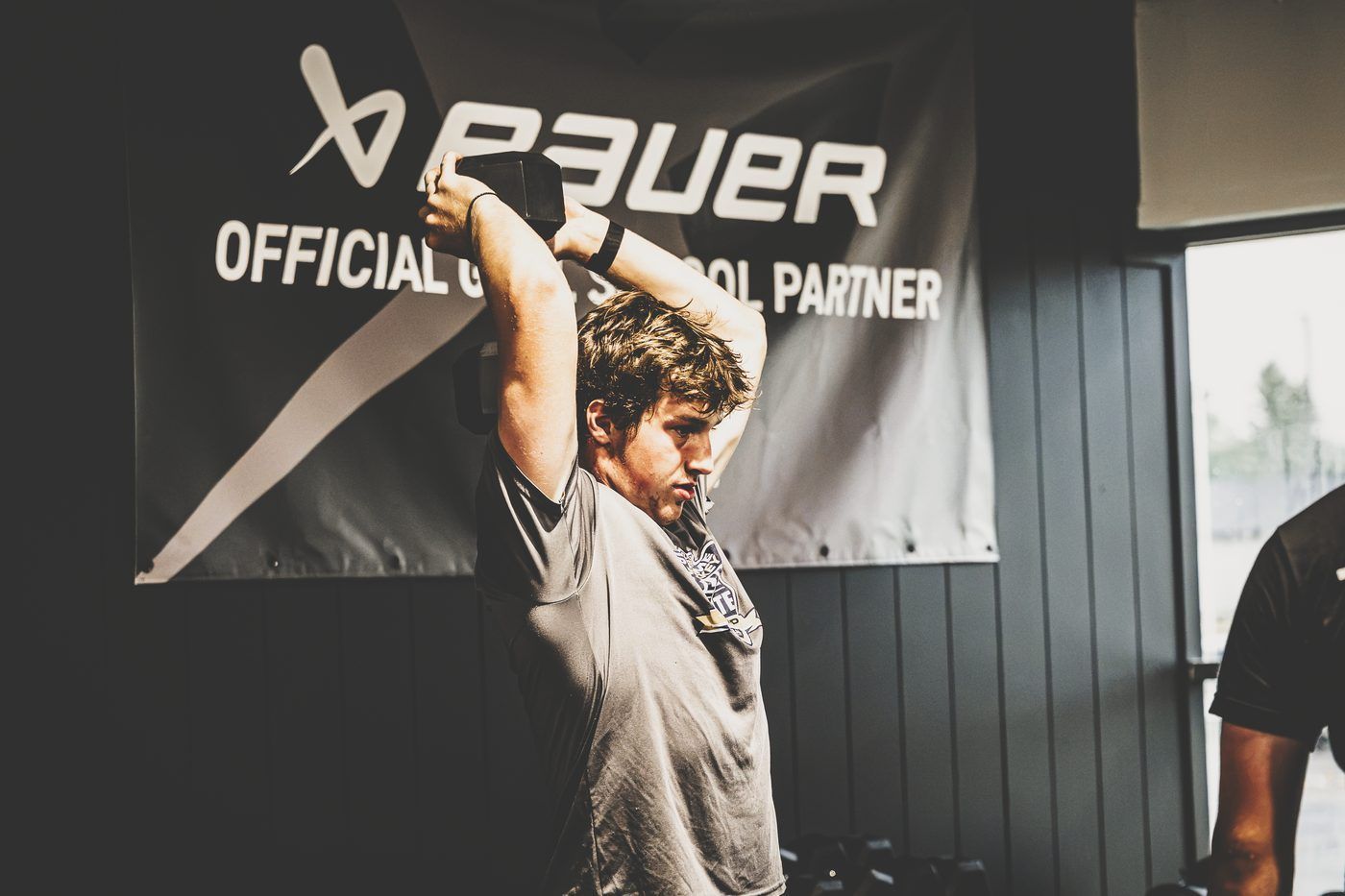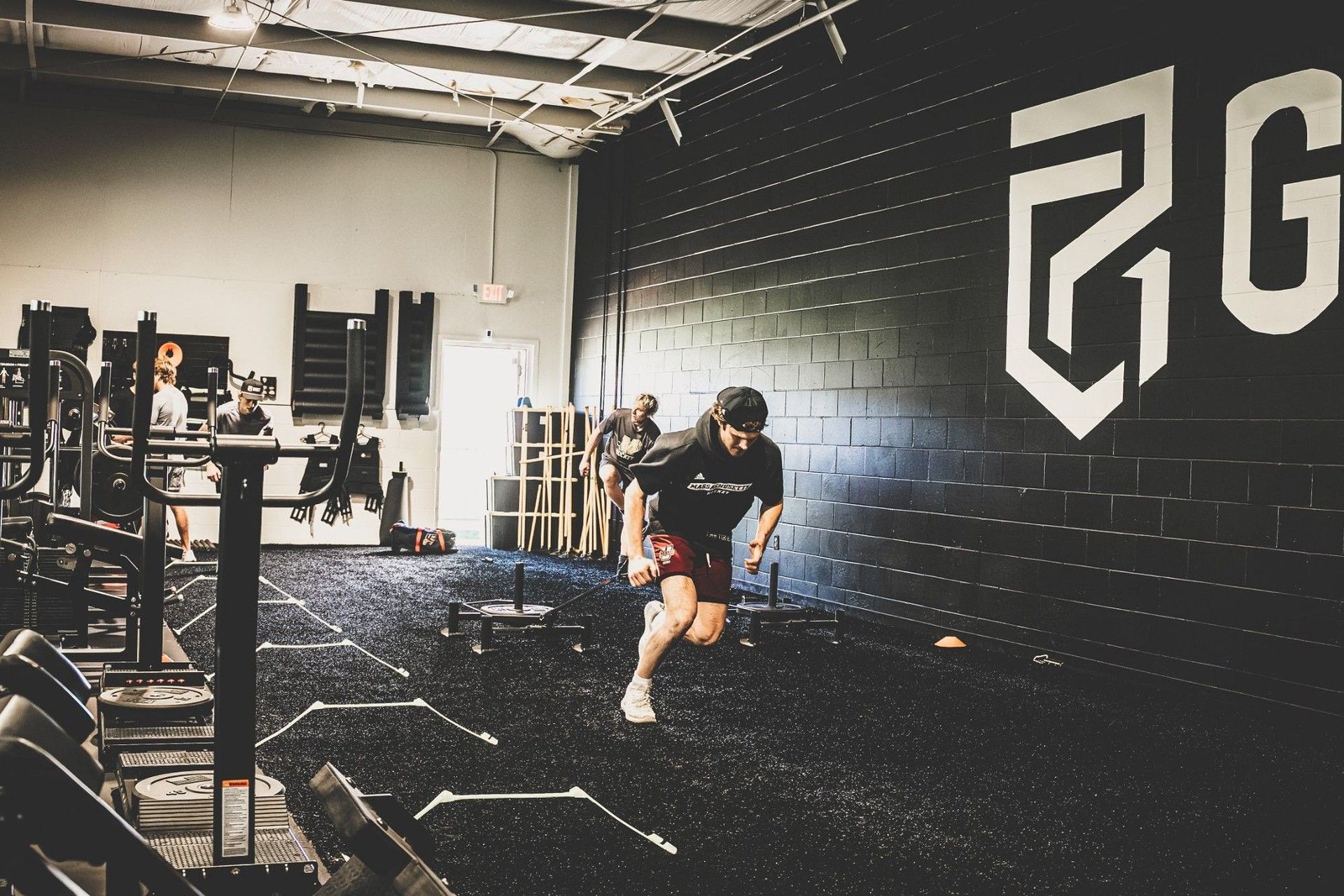
Hockey athlete sprinting during performance training at the Ghost Athletica facility
By Dr. Jamie Phillips, DPT, CSCS
Help your player arrive at tryouts fresh, fast, and confident, not fried from a last-minute training push.
For parents navigating Grand Rapids and West Michigan travel and club tryouts, the calendar can feel like a countdown. It is tempting to add extra workouts, book every available skills session, or start a hard conditioning plan when tryouts are close.
Don't.
Hockey tryout prep is a planned six-week build that develops readiness without piling on fatigue. The aim is to help your player show their current ability, not show up tired from trying to change everything at once.
As a physical therapist and strength coach, I look at both sides: what will help the athlete perform, and what load they can recover from. The players who stand out aren't necessarily the ones who did the most in the final week. They're the ones who arrive prepared to skate, compete, make decisions, and repeat quality efforts.
Start by Counting Back Six Weeks
Set week one as the seven days immediately before the first tryout. Confirm the exact dates, check how many evaluation sessions are scheduled, and build the plan backward.
If tryouts are less than a week away, don't try to squeeze six weeks of work into six days. Follow the taper guidance below, prioritize recovery, and plan earlier next time.
Team practices, games, school, other sports, and extra ice sessions all count toward the workload. The schedule below is a framework, not three additional workouts to stack on top of everything else.
Weeks 6 to 4: Build the Base
Build consistency, movement quality, and basic strength. Don't chase exhaustion.
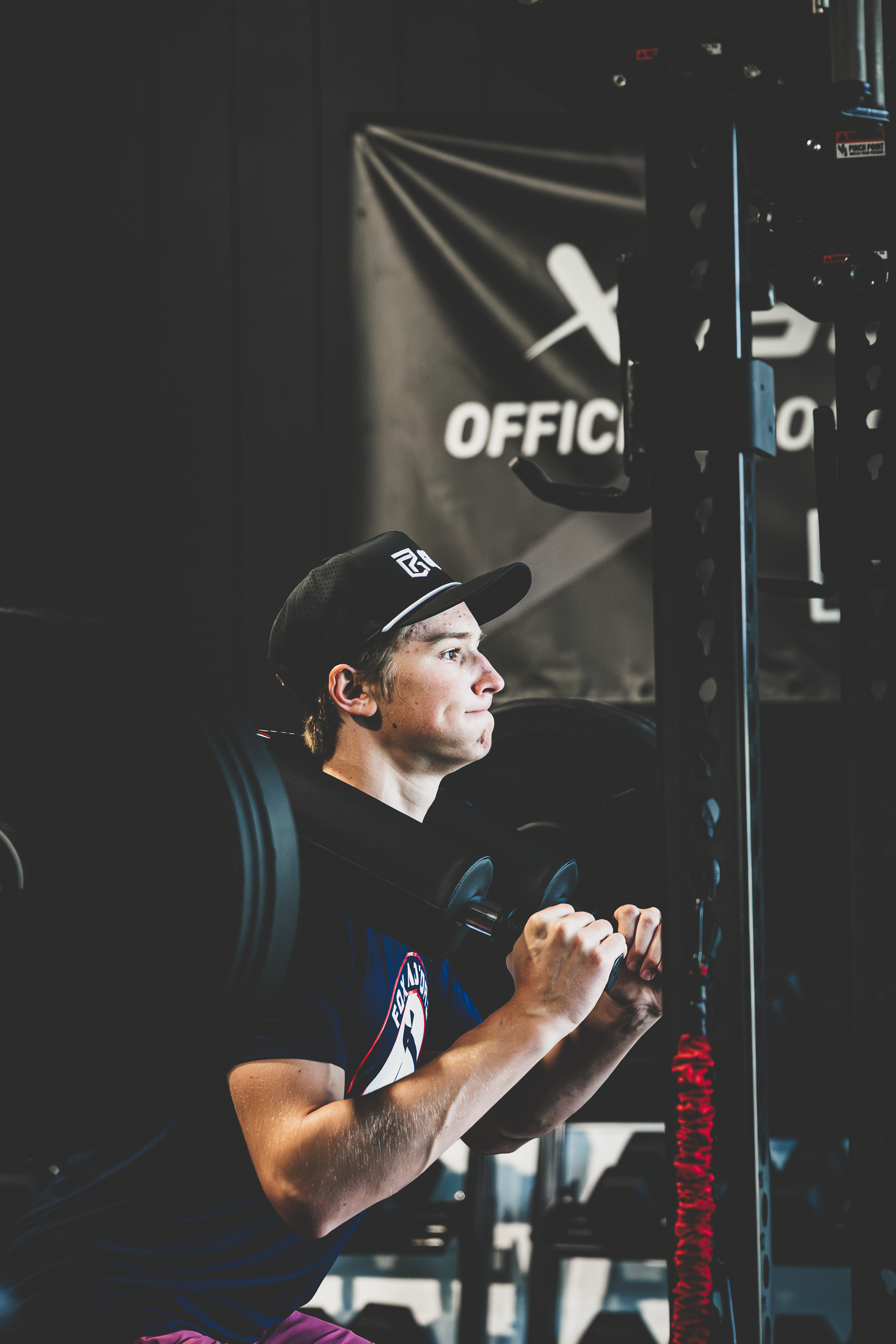
- Schedule two strength or athletic-development sessions per week. Use age-appropriate, coached movements: squat or split squat, hinge, push, pull, trunk control, and landing mechanics.
- Include two or three quality skill or skating exposures, counting team practices. Work on edges, starts and stops, puck control, passing, and decisions at game pace.
- Add conditioning only if the player's current ice schedule calls for it. Keep the work purposeful and leave enough recovery to skate well again.
- Keep at least one full rest day each week.
Look for the gap that matters instead of adding random volume. In Ghost Athletica team testing, we've observed athletes with side-to-side differences in single-leg jump performance. That finding isn't a diagnosis or a reason to panic. It's a prompt to look more closely at strength, control, and movement, and choose targeted work rather than guessing.
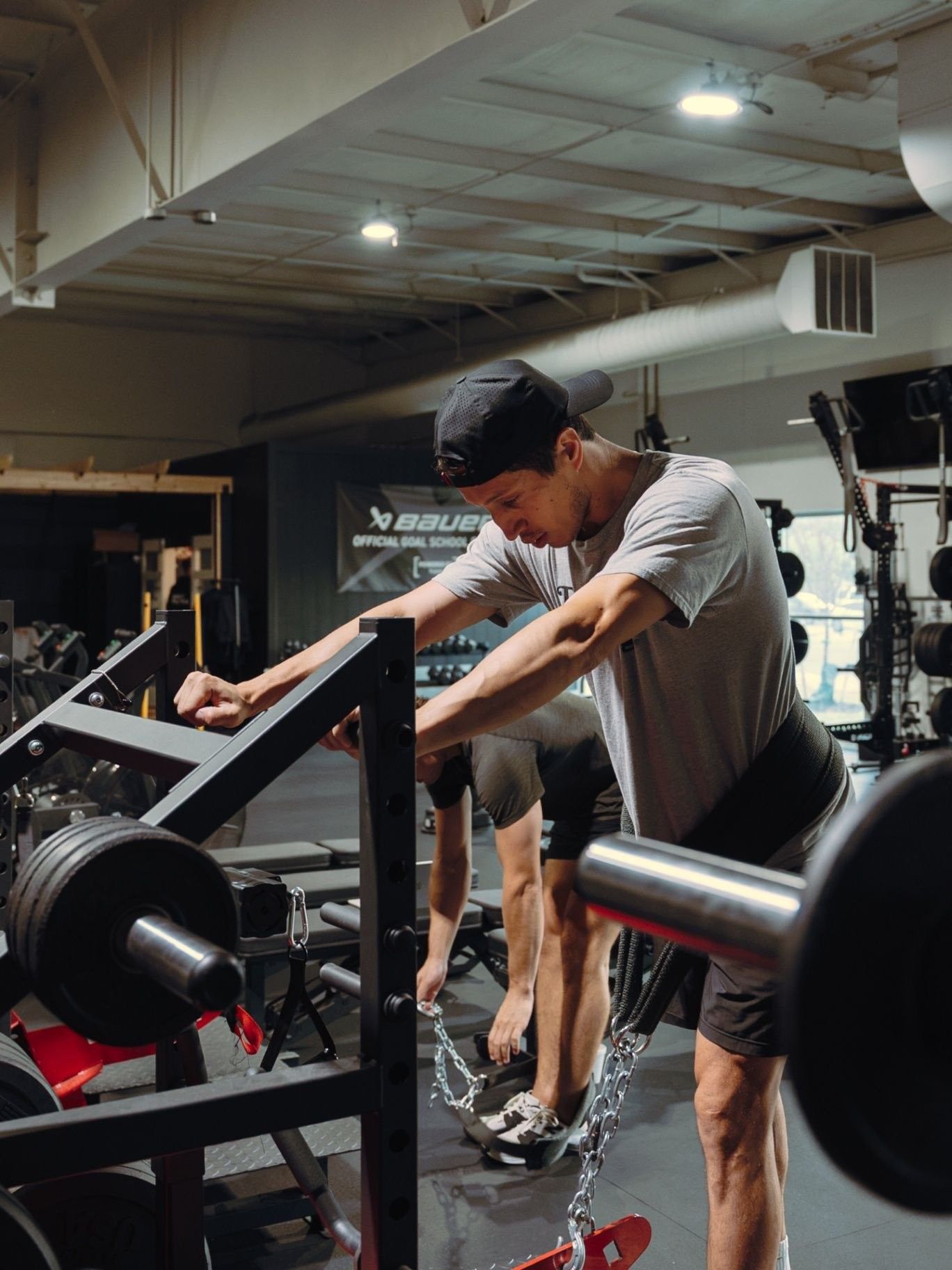
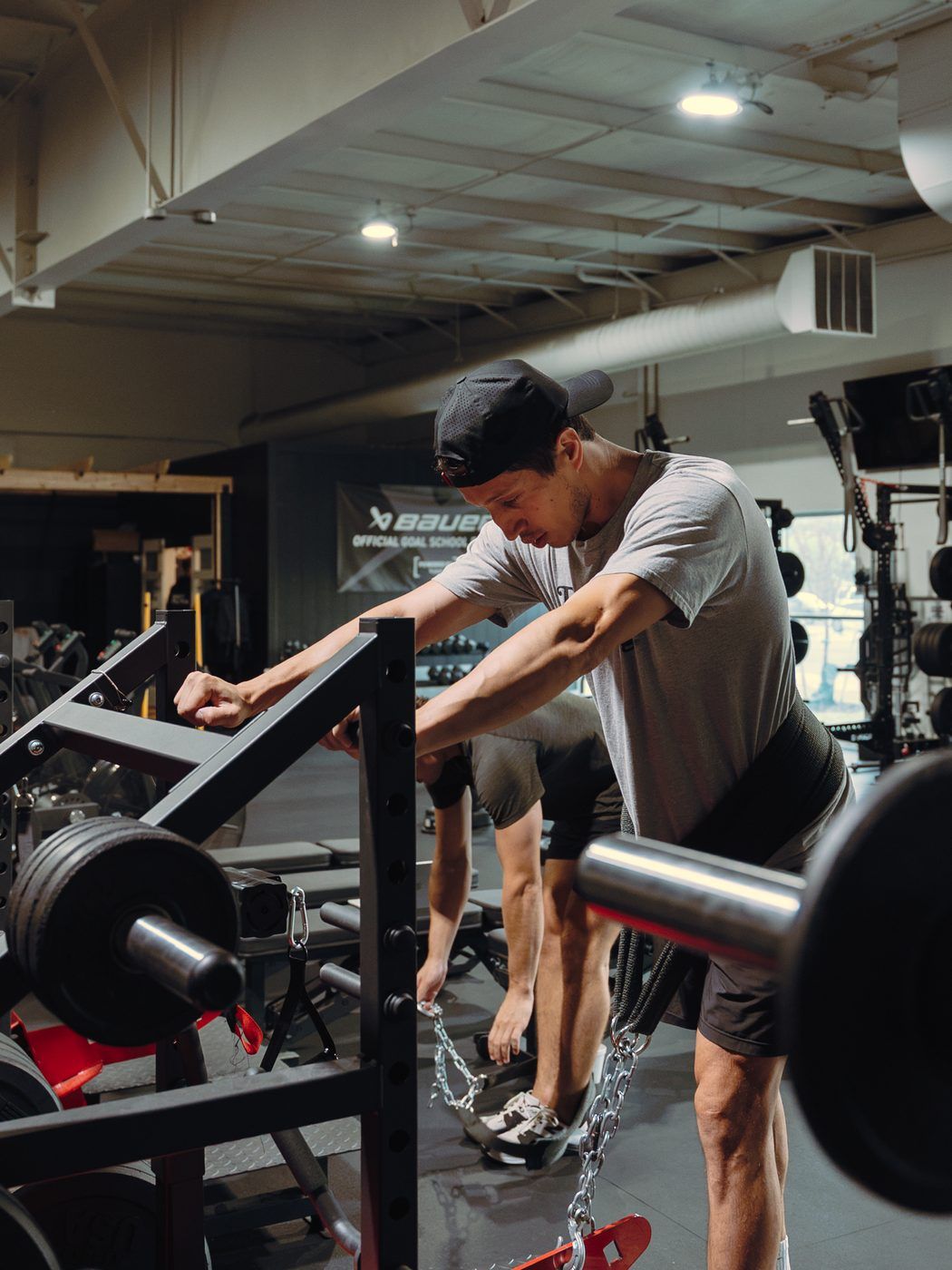
Hockey athlete performing a belt squat with chains at the Ghost Athletica facility
Weeks 3 to 2: Sharpen
Keep strength work in the plan, but make the work more specific. This is not the time to add a demanding new program.
- Maintain two strength sessions, reducing sets if practices or games are already demanding. Avoid training to failure.
- Make skill sessions focused: short accelerations, changes of direction, puck touches under pressure, and game-like decisions.
- Rehearse the details your player can control: arrive prepared, communicate, compete for loose pucks, recover after a mistake, and make simple plays with confidence.
- Protect recovery between hard lower-body sessions. If a player's legs feel heavy or their skating quality drops, reduce the extra work.
A useful rule: keep the quality high and remove unnecessary volume. More tired reps do not automatically create better tryout performance.
Week 1: Taper and Prime
Reduce training time and leave room for the athlete to feel sharp. Keep a few brief, high-quality efforts; remove the exhausting work.
A simple final-week outline:
- Early in the week: one short strength or movement session. Use familiar exercises and finish feeling good.
- Four to five days before: a focused ice session with quality skating and puck work. Shorten it if the player has team ice.
- Two to three days before: a brief skills tune-up, not a conditioning test.
- The day before: rest or easy movement. Prioritize normal meals, hydration, and sleep.
Skip two-a-days, maximal lifting, hard conditioning, long extra scrimmages, and new exercises that could create soreness. No panic skill camps the week before. No crash programs. No wasted effort trying to build a new athlete overnight.
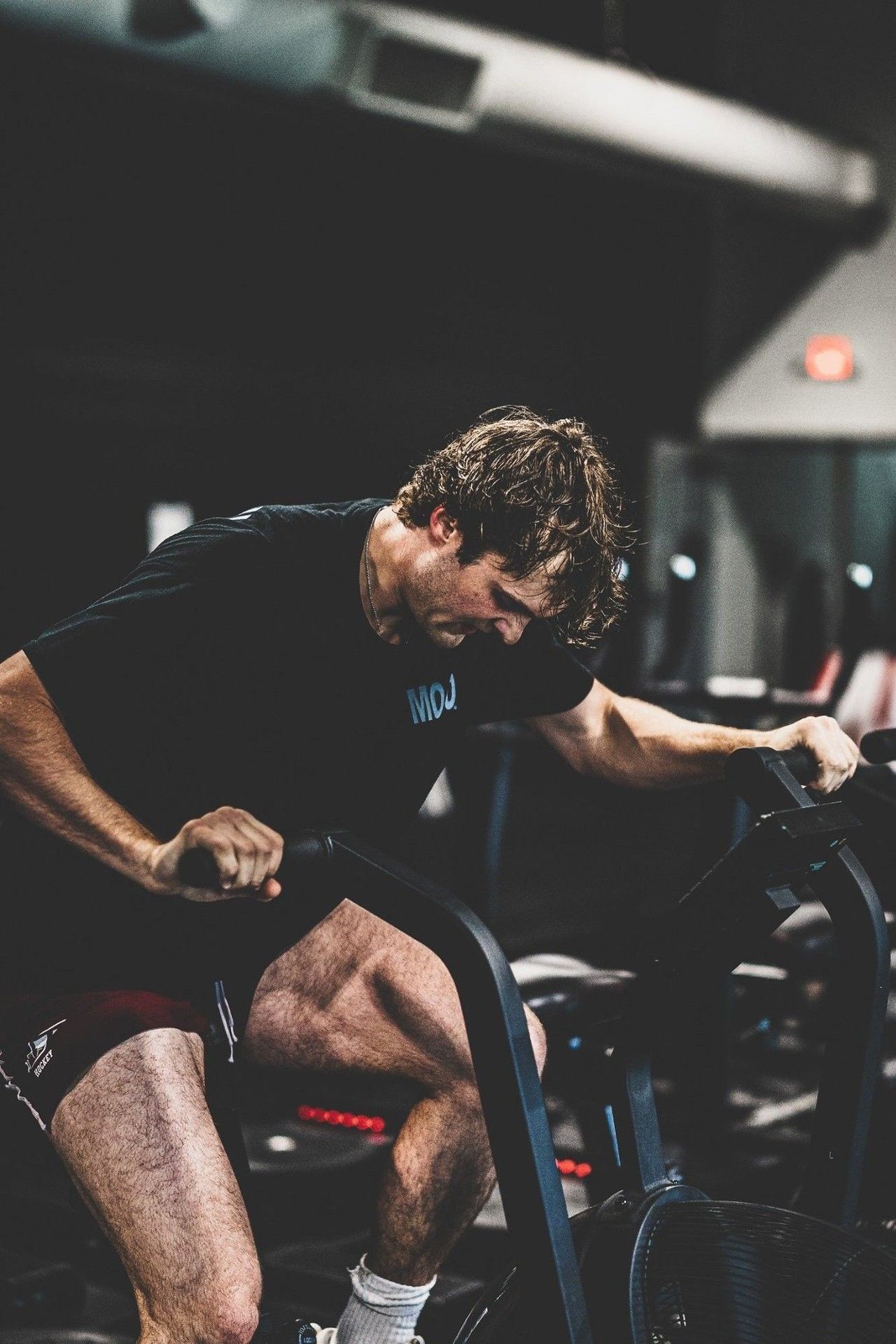
Hockey athlete using an air bike during conditioning training at the Ghost Athletica facility
Use This Simple Weekly Template
Fit the work around the player's team schedule. Count practices and games before adding anything.
- Day 1: strength and athletic development.
- Day 2: ice skills or skating, with a clear focus.
- Day 3: strength session or a second skill session, depending on the week and workload.
- Other days: team hockey as scheduled, easy mobility if useful, and at least one full rest day.
That usually means two or three planned training days, not two or three extra days on top of a full hockey schedule. In the final week, shorten sessions and remove extra conditioning first.
For more guidance on keeping training aligned with the player's age and development, read Youth Hockey Training in Grand Rapids. Once tryouts are over, use the in-season hockey training plan to manage the next phase.
Know When Your Player Needs Less, Not More
One tired day is not automatically a problem. A pattern of declining readiness deserves attention.
Watch for:
- Persistent fatigue or worsening performance.
- Poor sleep, irritability, or loss of motivation.
- Soreness that doesn't settle between sessions.
- More effort needed to complete familiar training.
- New or increasing pain.
The American Academy of Pediatrics describes overtraining as a performance decline linked to accumulated stress and inadequate recovery. If your player has persistent symptoms, pain that changes how they move, or a notable drop in performance, stop adding hard work and seek appropriate medical guidance. See the AAP's guidance on overuse injuries, overtraining, and burnout in young athletes.
Goalies Follow the Same Plan, with Small Tweaks
Goalies don't need a completely separate six-week system. They follow the same build, sharpen, and taper phases, with small adjustments in the sessions.
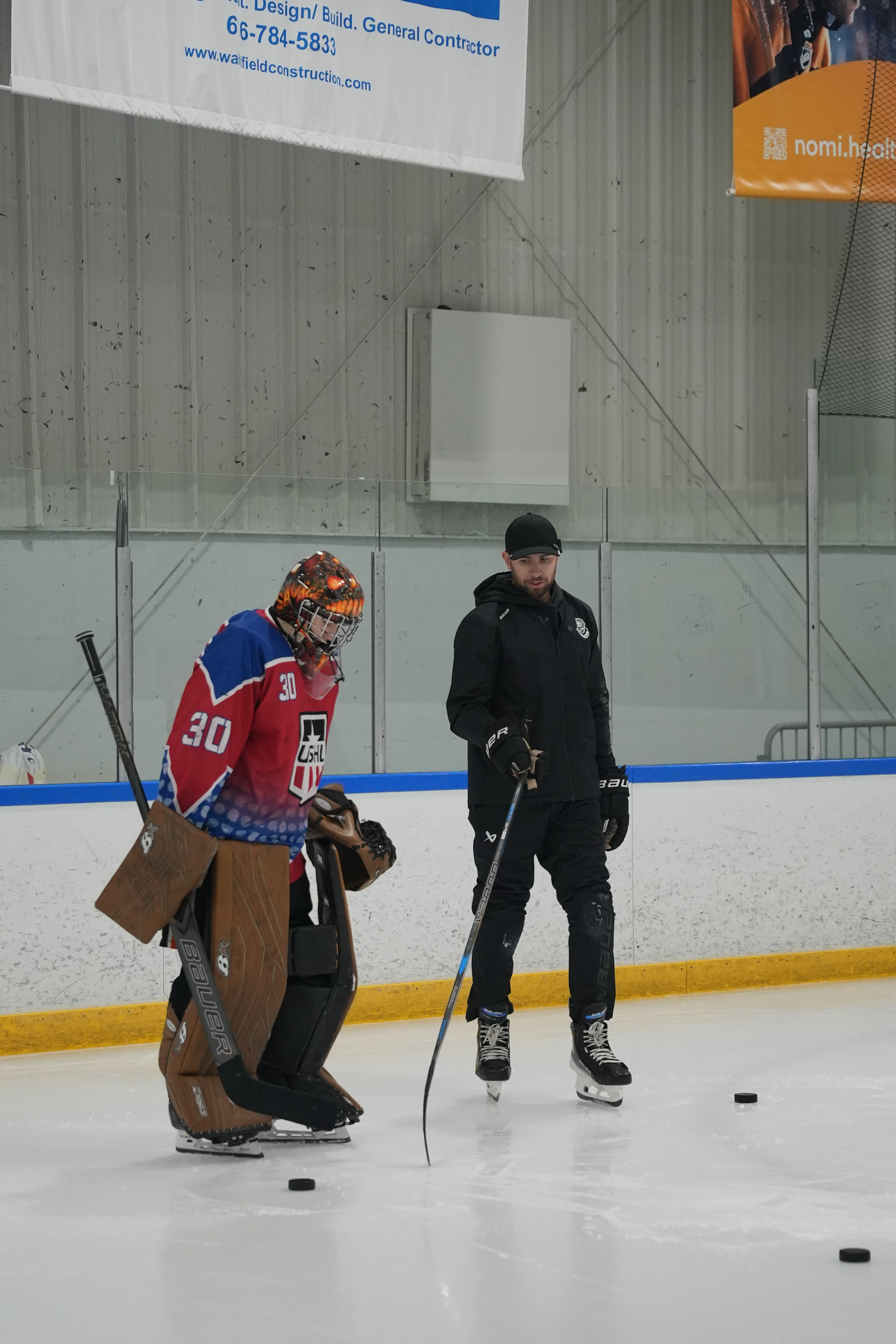
That may mean more emphasis on crease movement, hip and adductor strength, mobility, and short position-relevant efforts. Keep the same core priorities: quality work, smart progression, and enough recovery to arrive ready. Explore Ghost Athletica goalie training for specialized support.
FAQ: Hockey Tryout Prep
When should we start preparing for West Michigan hockey tryouts?
Start six weeks before the first evaluation if possible. Confirm the dates with your player's club or association, then count backward. If tryouts are closer, don't cram; focus on freshness and familiar routines.
How many off-ice training sessions should my player do each week?
For this plan, start with two strength or athletic-development sessions per week, with a possible third planned training day for skill work. Adjust for team practices, games, school, recovery, and age. Team hockey counts toward workload.
Should my player attend a skills camp right before tryouts?
Only if it fits the player's existing schedule and does not add fatigue. Avoid panic-booking a demanding camp in the final week. A short, familiar tune-up beats a sudden burst of extra volume.
How can I tell if my player is overtraining?
Look for a pattern: persistent fatigue, declining performance, poor sleep, irritability, ongoing soreness, or new pain. Don't treat one symptom or one test as a diagnosis. If concerns persist, reduce hard training and consult a qualified health professional.
Does a goalie need a different tryout prep plan?
The overall plan is the same. Goalies need small position-specific adjustments to movement, hip and adductor work, and crease demands, not an entirely separate program.
Give Your Player a Clear Plan
Tryouts are not the moment to guess, panic, or pile on extra work. Build steadily, sharpen with purpose, then let the player arrive ready to compete.
For individualized support in West Michigan, visit ghostathletica.com and use online booking to choose the next step. If pain or an injury is limiting preparation, learn about Ghost Athletica rehab.
Start with a plan. Protect recovery. Help your player show up ready.