By Dr. Jamie Phillips, DPT, CSCS
Baseball figured this out decades ago. Pitch counts. Rest days. A managed rotation. Hockey took the netminder and never built the system around him. Your goalie gets the schedule and gets treated like the equipment bag: hang it up and hope it holds.
I played this position, draft pick, Division I goaltender, and now I work with goalies every week as a physical therapist and strength coach at Ghost Athletica. The biggest performance leak in youth and junior hockey is not technique. It is goalie game load: the total weekly cost of starts, practice shots, and travel that nobody writes down. Manage it and your goalie sharpens from October to March. Ignore it and the season goes sluggish by Thanksgiving, and everybody blames the gloves.
Here is the number nobody tracks: the weekly load. Not the starts. The whole week.
The short version:
- Count everything that spends the legs: starts, shared starts, practice shots, full-ice versus half-ice reps, back-to-backs, tournaments, travel and short sleep.
- Start a weekly shot tally. Most competitive youth and junior goalies land between 150 and 300 or more shots a week once practice is counted.
- A strong week: one full start, one shared or reduced start, one to two practices with modified shot volume, one true recovery day.
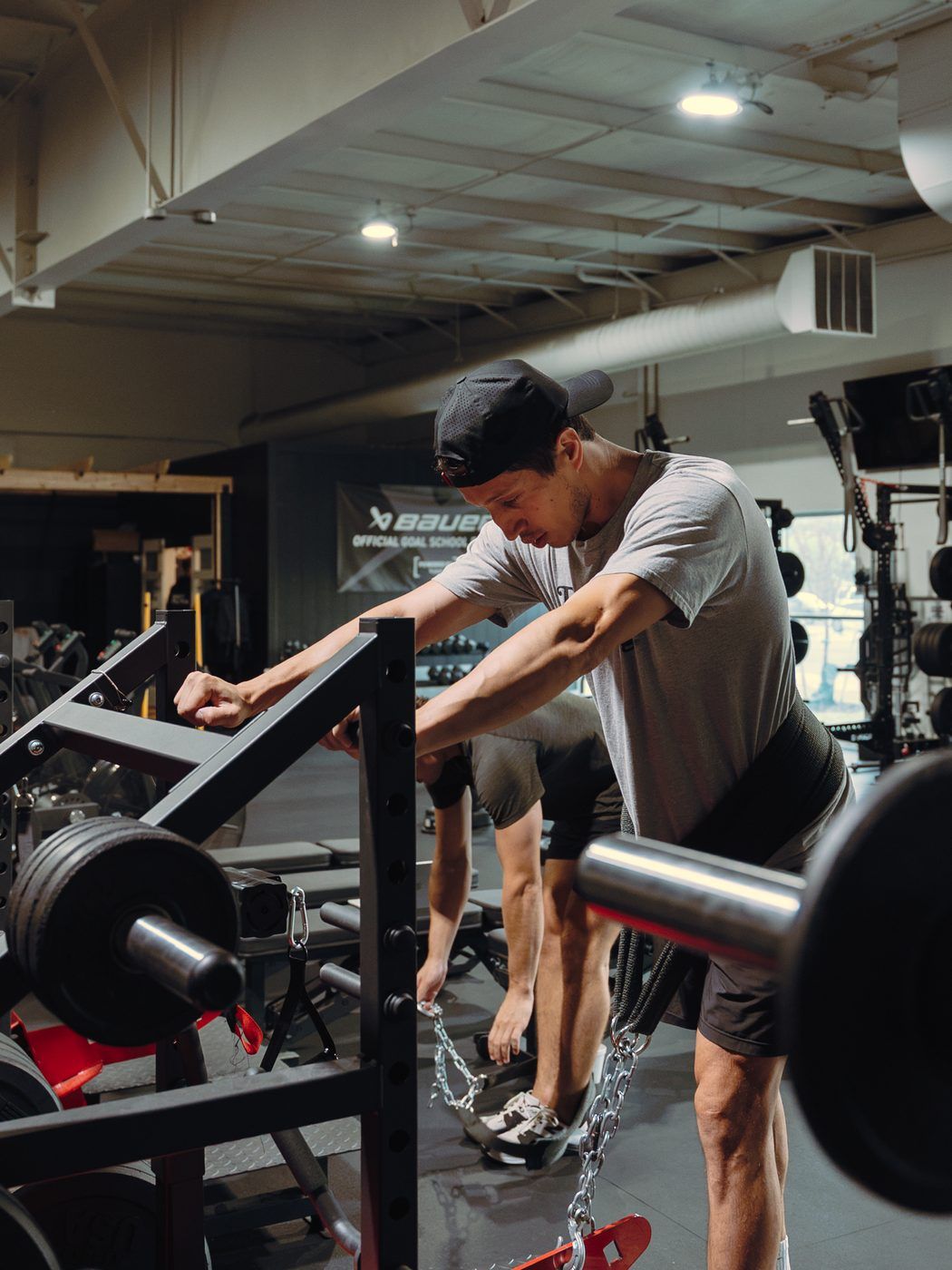
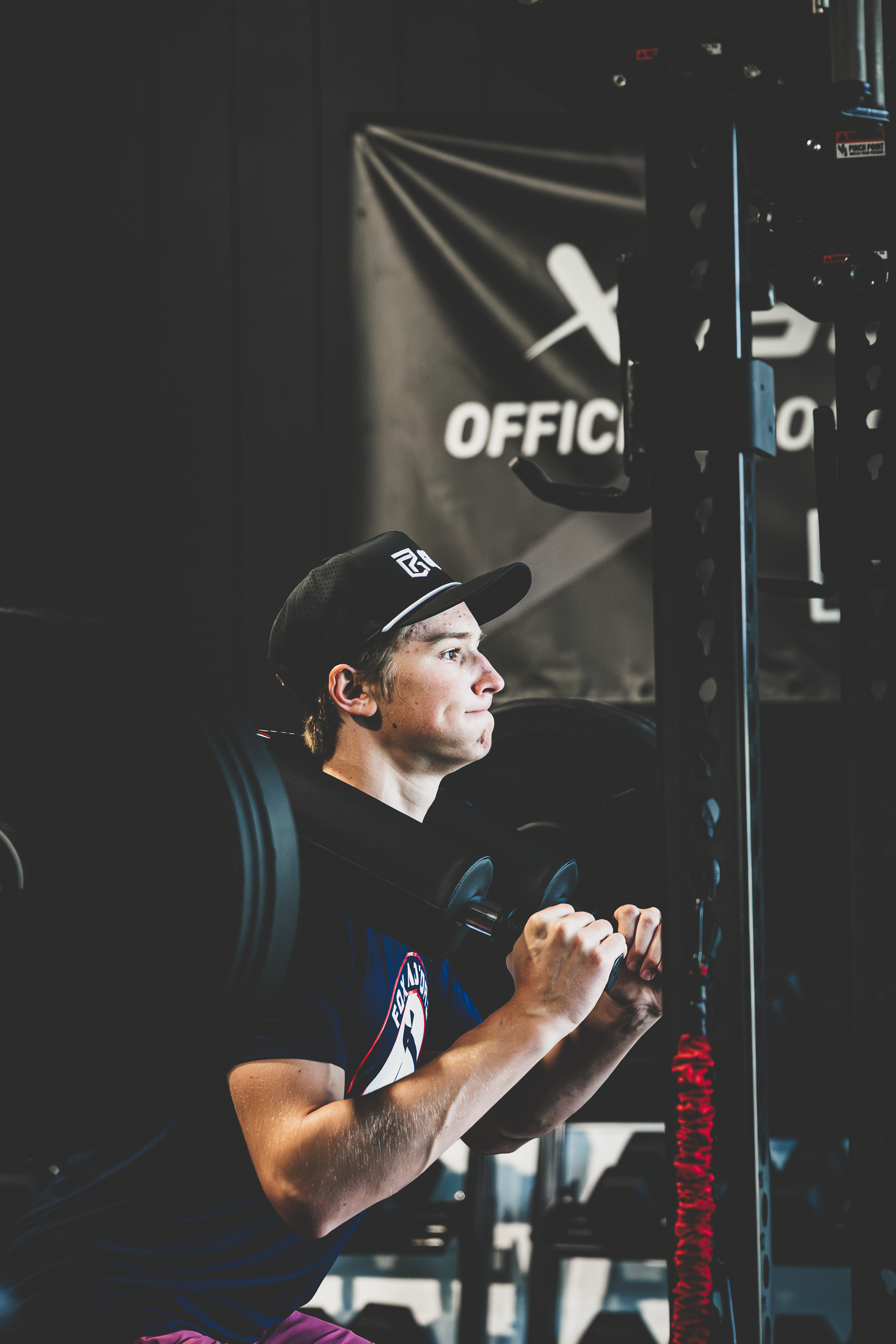
- Goalies run the same in-season strength plan as skaters, with three tweaks: hip and adductor care, lateral power, and no heavy legs within 24 to 48 hours of a start.
- Slow first push, sloppy post recoveries, lingering groin stiffness, short fuse, bad sleep: two or three at once means the week is overspending.
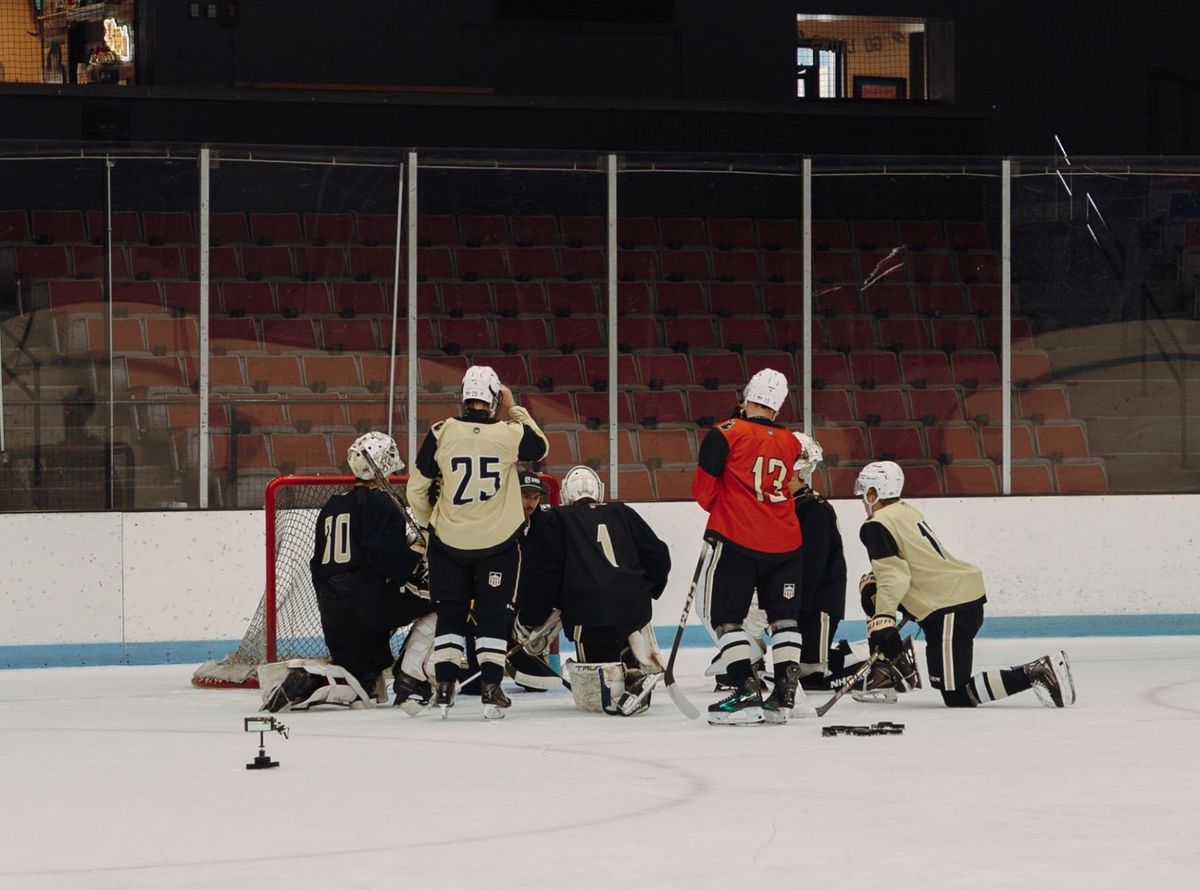
Every start, every practice rep, every bus ride spends the same legs. Count all of it.
What Your Goalie’s Week Actually Costs
When we assess a goalie’s schedule, we count everything that spends his legs, not just the games. Add it up for your own netminder:
- Starts. A full 60-minute game is the biggest single chunk of the week. Legs, hips, and nervous system all pay for it.
- Shared starts. Splitting a weekend with another goalie halves the wear. That matters more for workload than the win-loss column ever will.
- Practice shots faced. Fifty to a hundred shots in a Tuesday practice is real work, even with no scoreboard attached.
- Full-ice versus half-ice reps. Full-ice drills mean length-of-rink rushes and breakaways. Half-ice cuts that cost dramatically. Same slot, very different bill.
- Back-to-back games. Friday then Saturday doubles the recovery debt.
- Tournament weekends. Three games in two days, plus hotel sleep and restaurant food. A load spike, not a weekend.
- School and travel. Early buses, late homework, short sleep. Recovery happens in the hours the schedule quietly eats.
Add those up and you have the real goalie workload picture. Most programs never add them up at all. They just start the hot hand until he goes cold, and call it development.
The Load Nobody Counts: Practice Shots and Drills
Here is what coaches and parents miss. A Saturday game gets counted. A Tuesday practice never does. But for a lot of goalies, that practice costs more than the game did.
In a game, shots come in bursts with whistles and natural breaks. In practice, your goalie eats wave after wave of close-range shooter reps, often against fresh legs resting for their turn. Sixty high-tempo reps with no structure is a grind the scoreboard never logs.
So count it. Ask one question after every ice session: “How many shots did my goalie face this week?” Start a weekly tally: game shots plus practice shots plus shooter-drill reps. For most competitive youth and junior goalies that lands between 150 and 300 or more per week, and it swings wildly with how the coach runs practice. You need a notebook and five minutes.
Once you see the number, you can manage it. And targeted technique work like goalie movement drills belongs inside a controlled session with deliberate rep counts, not dumped on top of a loaded week.
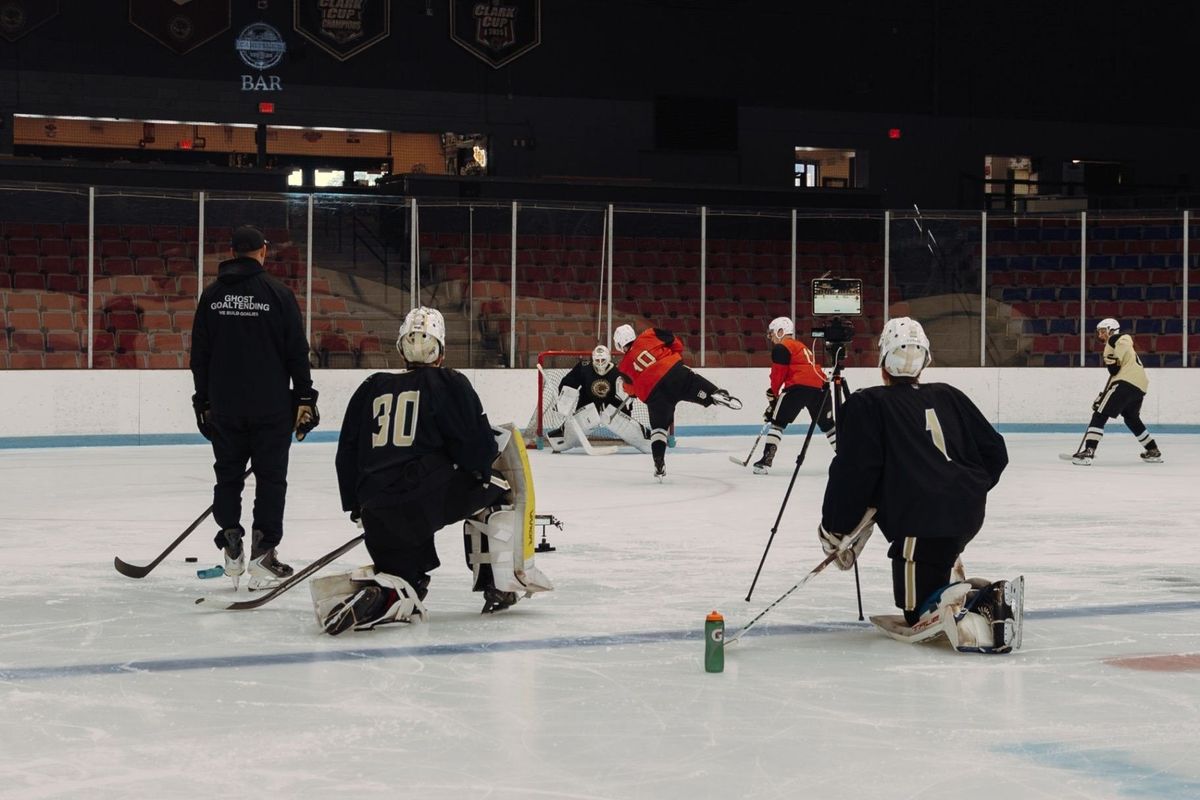
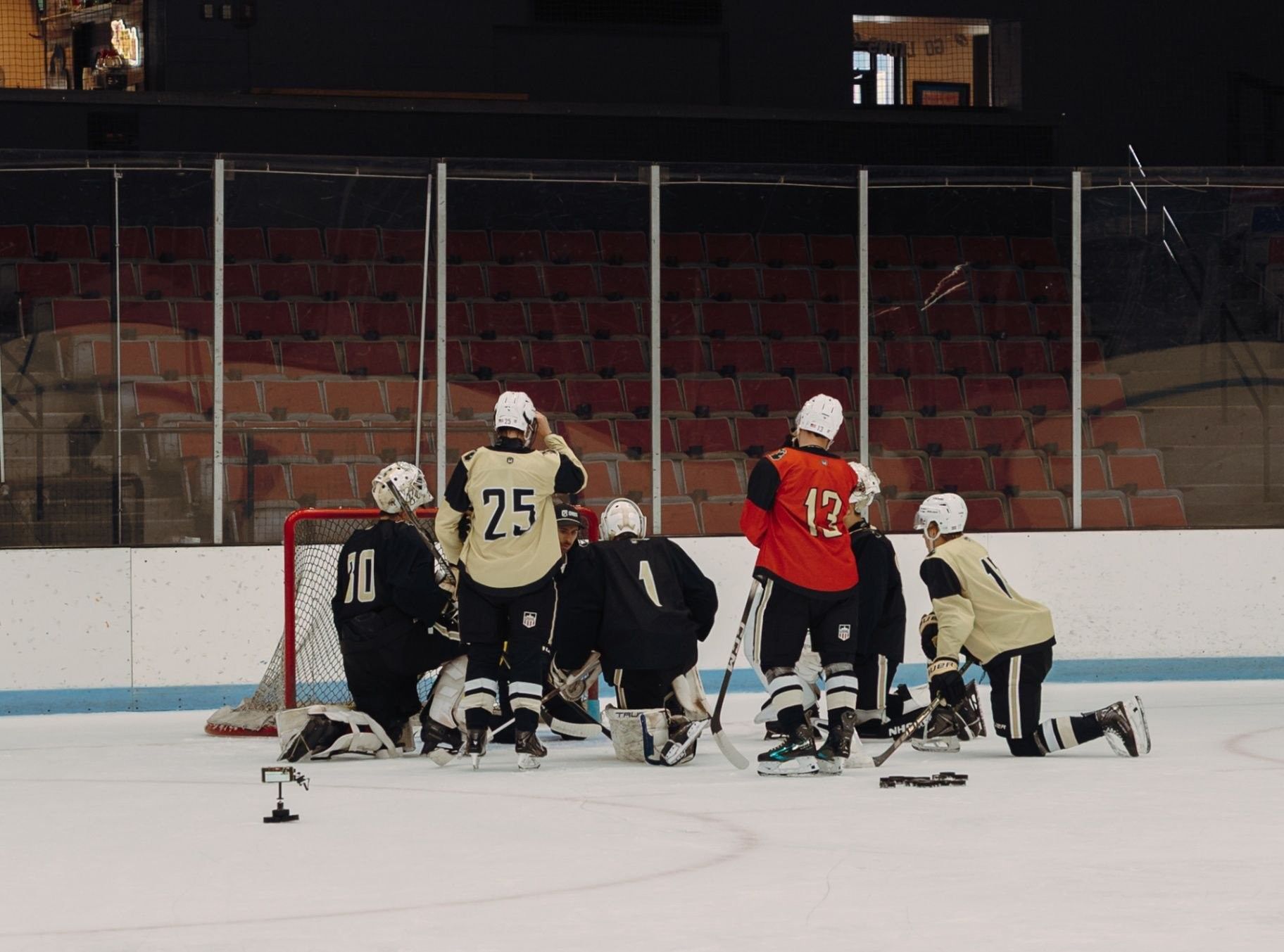
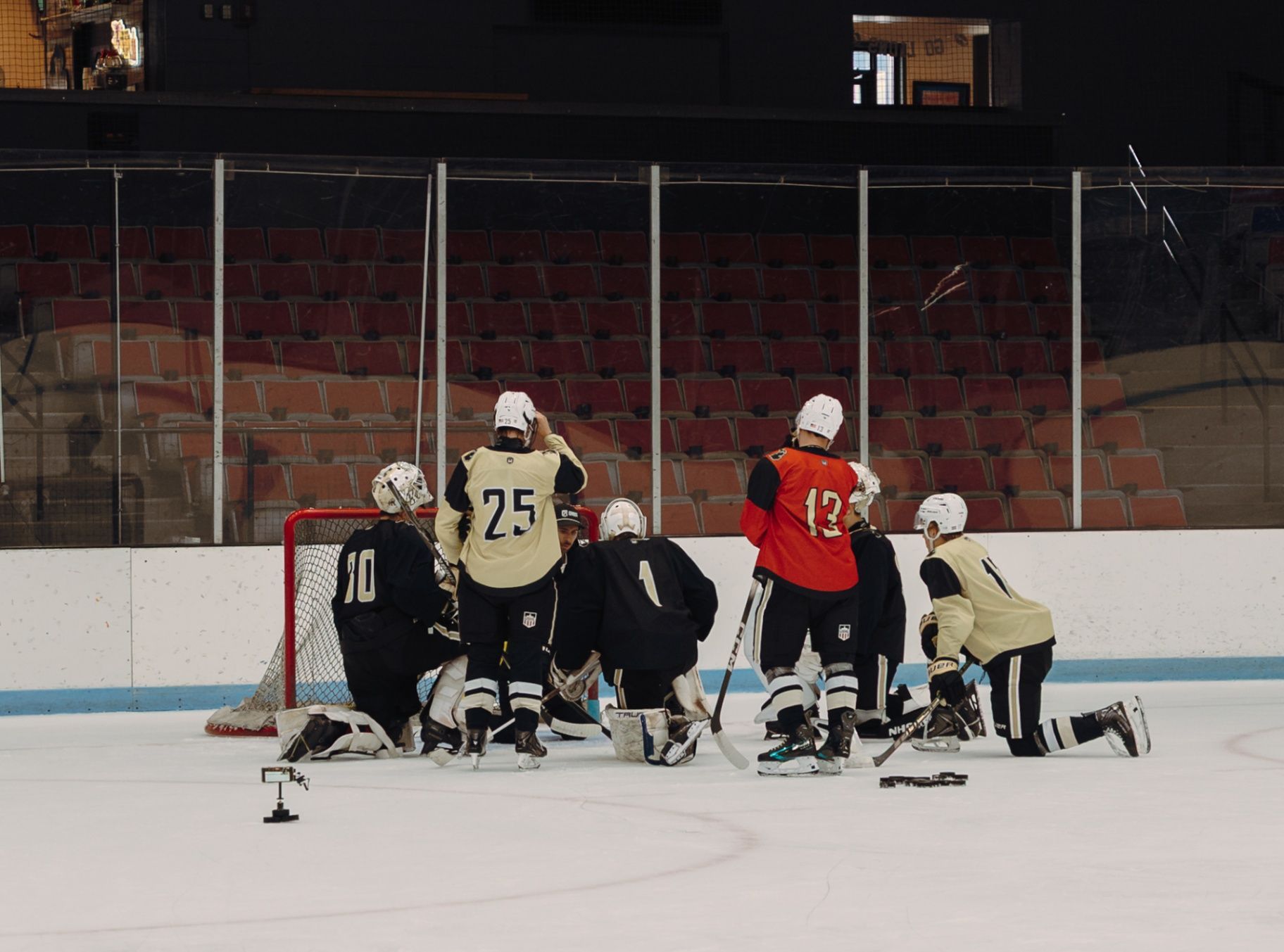
Shot counts and film on the bench: the week only gets managed once it gets written down.
What Good Load Management Looks Like
Good goalie game load management is not resting the goalie every second game and calling it a plan. It is a weekly structure that spends effort where it counts and protects the recovery that makes it pay off.
A Simple Weekly Framework
There is no universal magic number. Every age, level, and body responds differently. But a strong template for a competitive youth or junior goalie looks like this:
- One full start. The main game, protected.
- One shared or reduced start. Half a game, a relief appearance, or a lighter league night, instead of a second full start.
- One to two practices with modified shot volume. Full movement and positioning work, fewer close-range shooter reps, more controlled reps off real rushes.
- One full rest or recovery day. No shots, no heavy lifting, no “extra ice for fun.”
- Daily basics: consistent sleep, steady hydration, a short hip and groin mobility routine.
The shape of the week: roughly one heavy day, a moderate day or two, and a true recovery day. Younger goalies sit at the light end. Elite goalies carry more volume, but they earn it with better sleep, nutrition, and recovery support. The structure flexes; the principle does not: protect the next start by limiting what the week spends.
Signs the Load Is Too High
The legs speak before the stat sheet does. Watch for these:
- Slower first push out of the crease, especially on the second and third effort.
- Sloppy recovery to the posts: feet getting tangled, dropping instead of pushing.
- Stiffness in the hips or groin that lingers more than a day after games or practices.
- Rising irritability, frustration in practice, or a noticeably shorter fuse than usual.
- Sleep going off the rails: harder to fall asleep, harder to get up, waking unrefreshed.
- A plateau or slide in performance that technique work is not fixing.
Two or three of these at once means the week is spending more than it earns. Pull back the load before you blame the technique, and if stiffness sticks around, read how we handle hip pain in hockey players before it becomes an injury. Not sure where the stiffness is coming from? Our free Strength and Mobility Quiz finds the weak and tight spots in fifteen minutes at home.
Recovery Is Training Too
“Just rest more” is not a recovery plan. Vague advice produces vague results. Real goalie recovery is specific, scheduled, and tracked just like the games are.
- Sleep first. The single highest-leverage recovery tool a goalie has, and most athletes leave it on the table. We break down how to use it in the number one performance booster most hockey athletes ignore.
- Hydration all week, not just game day. Dehydrated tissue stiffens and recovers slower, and most goalies show up to Saturday already behind.
- Mobility for the goalie zones: hips, adductors (groin), and hip flexors. Ten focused minutes after ice beats an hour of random stretching.
- Active recovery between games. Easy walk, easy bike. Not a couch day, not a pickup game.
- Real recovery days on the calendar. Rest is training, and it gets scheduled like training. We explain why in why rest days are not optional.
Recovery is not the soft part of the plan. It is what makes the hard part work.
Strength Work In-Season: Same Plan, Small Tweaks
Here is where people get it wrong. Goalies do not need a separate strength program. They follow the same in-season performance plan as skaters, with small tweaks.
The foundation stays the same: full-body strength, power maintenance, and the same phase structure we run for every athlete in-season, laid out in our in-season hockey training plan. A goalie’s job in-season is to stay strong, fast, and fresh, exactly like a skater’s.
The tweaks for goalies:
- Extra hip and adductor care. Goalies live in deep butterfly positions, so we watch groin tissue quality and hip mobility closely. Same lifts, added attention where this position pays its bills.
- Lateral power maintenance. Skaters push straight ahead; goalies push side-to-side. Same program, lateral power kept sharp.
- Smart timing around starts. No heavy lower-body loading within 24 to 48 hours of a start, nothing truly heavy the day after. The big lift goes early in the week; the legs get protected near the games.
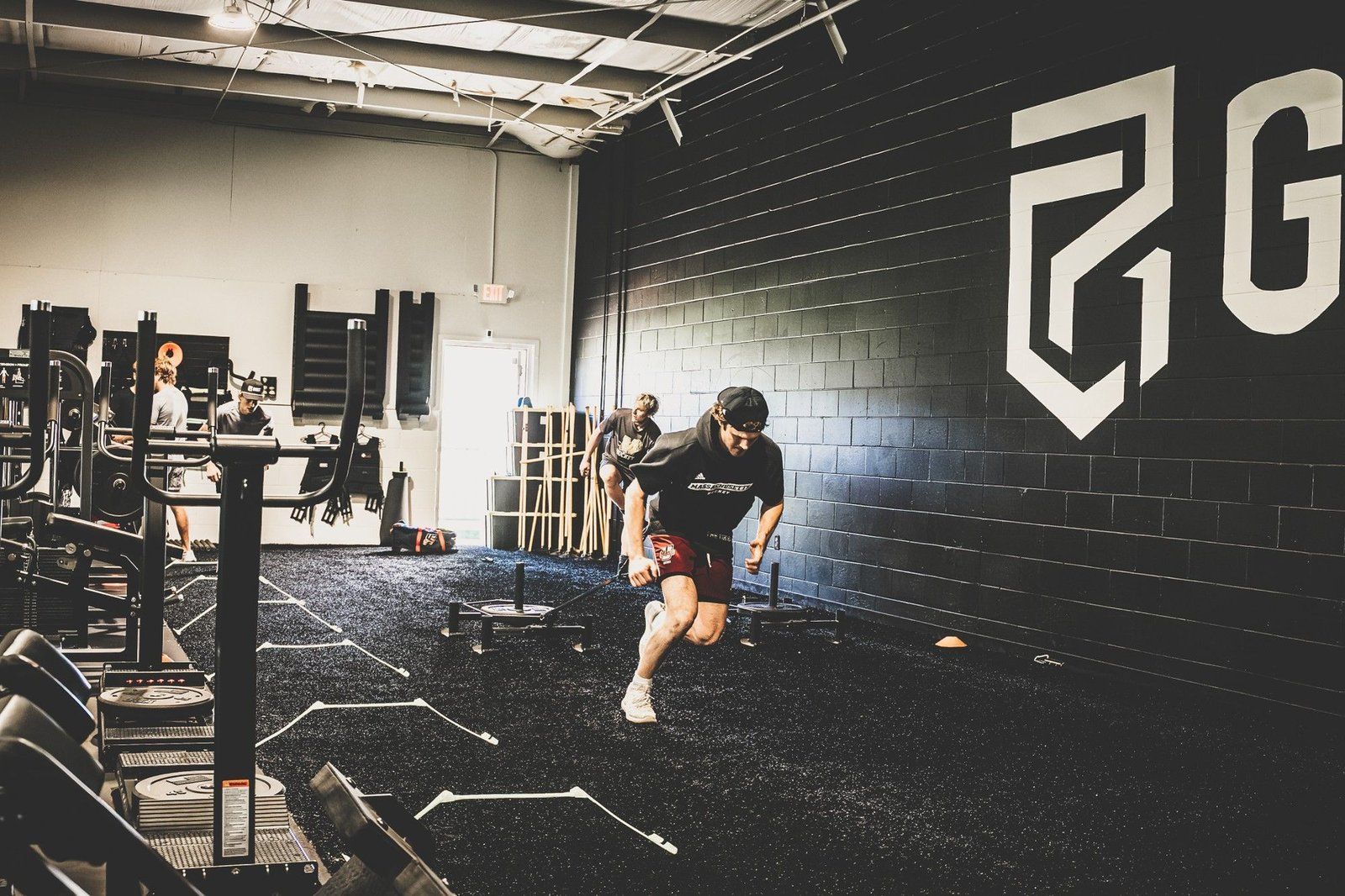
Same plan. Small tweaks. That is the whole difference, and exactly why our goalies train in the same room and the same strength framework as everyone else. See it in person through Grand Rapids goalie training.
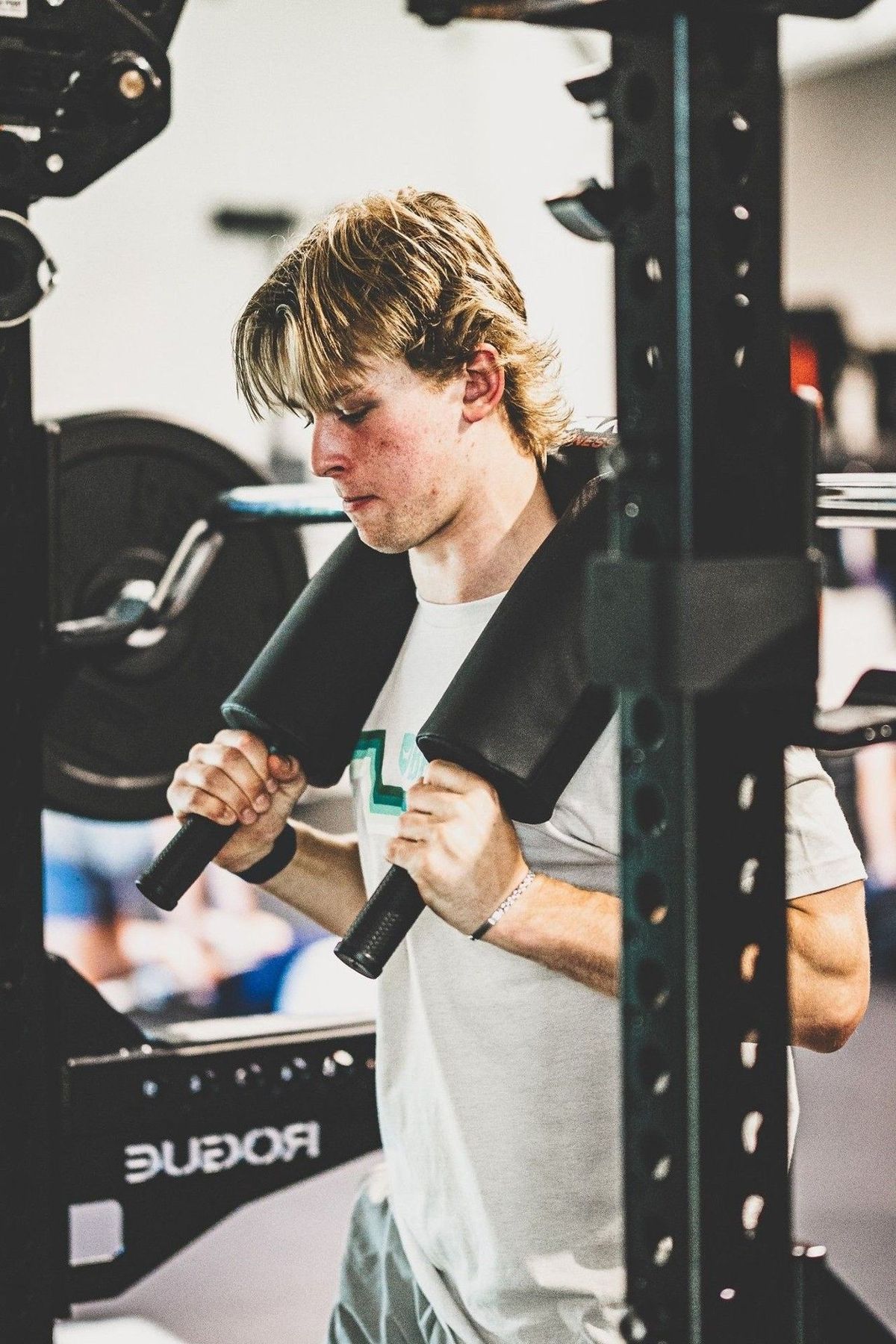
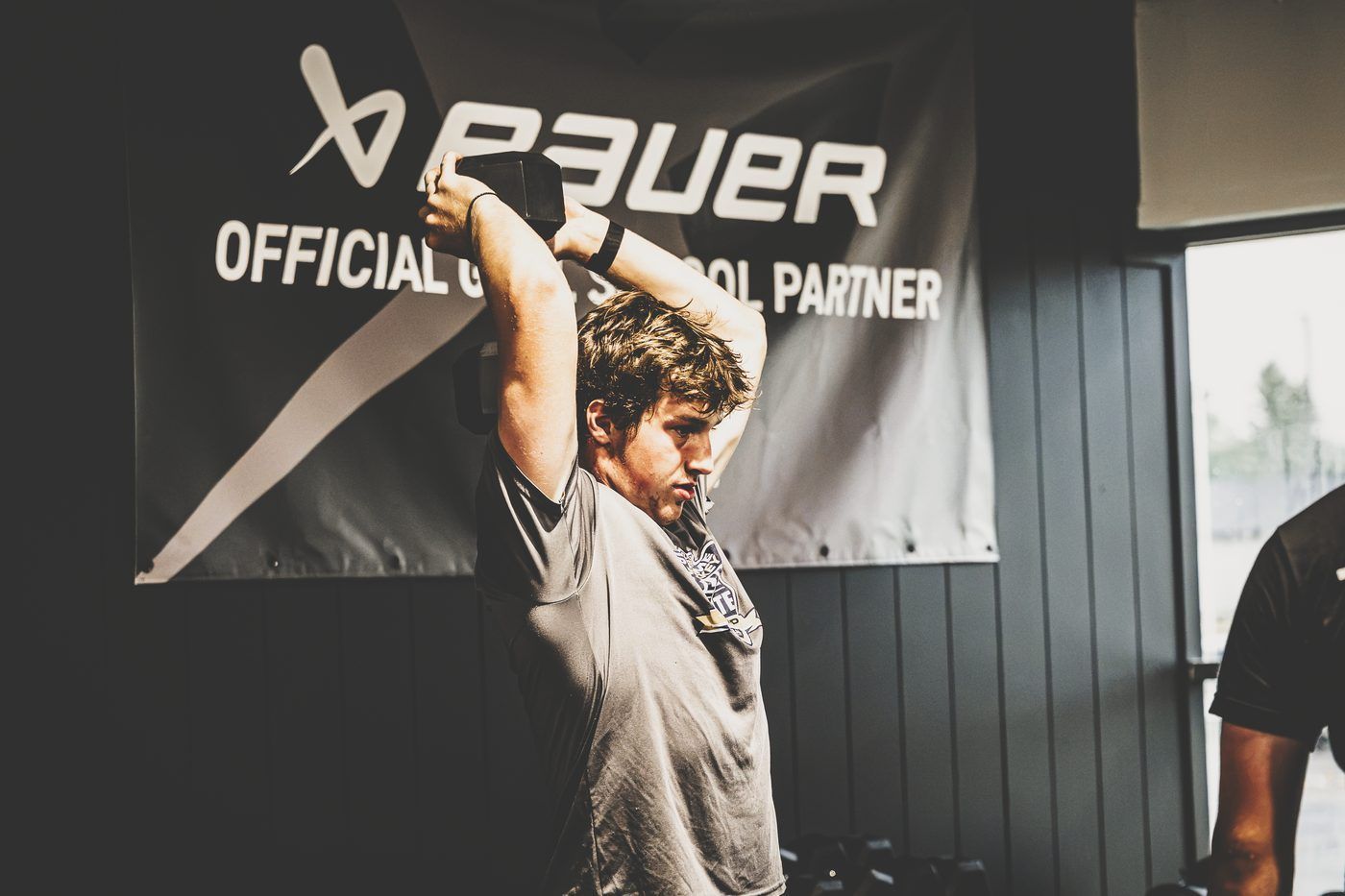
Same strength plan as the skaters, with the goalie tweaks: hips, adductors, lateral power.
When to Talk to a Coach (and When to Talk to Us)
Parents, at a serious development program you are expected to ask questions. Here is how to do it without friction.
Talk to the coach about:
- How starts and shared starts divide up for the month ahead.
- The practice plan for goalies: how many close-range shooter reps, how many controlled reps off real rushes.
- The plan for back-to-back weekends and tournaments.
- What “a lighter week” looks like if red flags appear.
Bring your shot-count tally. A coach who works with data will appreciate it; a coach who can’t has told you something important.
Talk to us when:
- Red flags keep showing up despite a reasonable schedule.
- Groin or hip complaints keep returning. We assess and rebuild before it becomes an injury.
- Your goalie works honestly and still plateaus.
- You want a weekly structure that matches your team’s real schedule.
A goalie assessment at Ghost Athletica looks at the whole week, schedule, strength, movement, recovery, and turns it into one plan. Start at our goalie training page or see our Grand Rapids goalie training breakdown.
Goalie Game Load FAQ
How many games should a youth goalie play in a weekend?
For most competitive youth goalies, one full start per weekend with a shared second game is a strong default, and two full starts back-to-back should be the exception, not the routine. Tournament formats complicate this, so treat a three-game weekend as a load spike that needs a lighter week after it. The right answer depends on age, level, and how much practice volume sits on top, which is exactly what an assessment sorts out.
Should my goalie practice the day after a game?
Usually yes, with the volume turned down. Light skating, movement work, and position drills help recovery; a high-tempo shooter session the day after a start is where goalies break down. If the legs look heavy, a shortened practice or a rest day beats pushing through.
How do I know if my goalie's workload is too high?
Look for the pattern, not one bad game: slower first push, sloppy recoveries, lingering hip or groin stiffness, irritability, poor sleep, and a plateau that technique work is not fixing. Three or more together means the load is outpacing recovery. Fix the schedule first, then judge the technique.
Do goalies need different strength training than skaters?
No. Goalies follow the same in-season strength plan as skaters, same phases, same core lifts, same progression, with small tweaks: extra hip and adductor care, lateral power kept sharp, and no heavy lower-body loading within about 24 to 48 hours of a start. Different demands inside one shared plan, not a separate program.
What should a goalie do between games at a tournament?
Prioritize in order: food and fluid first, then a real mobility routine for hips and groin, then quiet downtime with legs elevated, and consistent sleep that night. Skip the pond, the pickup games, and the mall marathon. A structured hour of recovery beats eight unstructured hours of walking around.
How many shots should a goalie face in a week?
There is no universal number, but for most competitive youth and junior goalies the weekly total of game shots, practice shots, and shooter-drill reps lands between 150 and 300 or more. The number matters less than tracking it. Once you know your goalie's normal, you can spot the weeks that spike and pull the practice volume down before the legs go.
What You Should Do Next
If you are not sure whether your goalie’s load is right, that is exactly what we assess. Bring the schedule, the shot count, and the symptoms; we turn them into a clear weekly plan.
Book a goalie assessment or training session at our goalie training page or on the main Ghost Athletica site. One visit tells you where the week overspends and what to change before the next game.
No confusion. No wasted reps. Just a clear plan for the position that carries the season.
Dr. Jamie Phillips, DPT, CSCS
Former pro goalie. Physical Therapist and Strength Coach, Ghost Athletica, Byron Center, Michigan