Why Training Less (Sometimes) Makes You Stronger
The science of deload weeks, and why the best hockey athletes build planned recovery into every training phase
Dr. Jamie Phillips | Ghost Athletica | Grand Rapids, Michigan
Most hockey athletes treat the offseason like one long sprint.
More lifts. More reps. More effort. And while effort matters, nonstop intensity with no planned recovery is one of the fastest routes to plateaus, burnout, or injury.
If you want real, long-term strength and speed gains, you need to deload. Here is what that means, why it works, and exactly how to do it.
What Is a Deload Week?
A deload is a planned reduction in training volume and intensity, typically programmed every 4 to 6 weeks within a strength or performance phase.
Think of it as a pit stop, not a setback. You are giving your body and your nervous system the time they need to recover, adapt, and come back stronger. The gains you made in the previous weeks do not disappear during a deload. They consolidate.
This is a principle we build into every training phase at Ghost Athletica for our hockey athletes in the Grand Rapids area.
Why Deloading Makes You a Better Hockey Player
Nervous System Recovery
High-intensity training does not just tax your muscles. It places significant load on your central nervous system. If the CNS never gets adequate recovery time, the downstream effects show up as reduced speed, diminished focus, and compromised force production, exactly the qualities that matter most on the ice.
Joint and Soft Tissue Health
Tendons and ligaments adapt more slowly than muscles do. When training load increases faster than connective tissue can keep pace with, overuse injuries become likely. A properly timed deload week protects the structural integrity that makes consistent training possible.
Hormonal and Mental Reset
Prolonged high-intensity training elevates cortisol levels and creates accumulated psychological fatigue. A deload reduces that cortisol load, gives your brain a genuine break from the constant demand of grinding, and allows motivation and mental sharpness to reset before the next training block.
Better Long-Term Gains
Athletes who deload regularly and consistently outperform those who go full throttle year-round. Strategic rest is not a compromise on your training. It is a component of it. The adaptation happens during recovery, not during the work itself.
How to Deload Properly
Frequency Plan a deload every 4 to 6 weeks, adjusted based on your training age, the intensity of the preceding block, and how your body is responding.
Duration A standard deload runs 5 to 7 days.
How Much to Reduce
- Decrease volume, meaning total sets and reps, by 40 to 60 percent
- Drop intensity, meaning weight and speed, by 30 to 50 percent
- Keep movement quality high while reducing output
What to Focus On During a Deload
- Technique refinement on key lifts
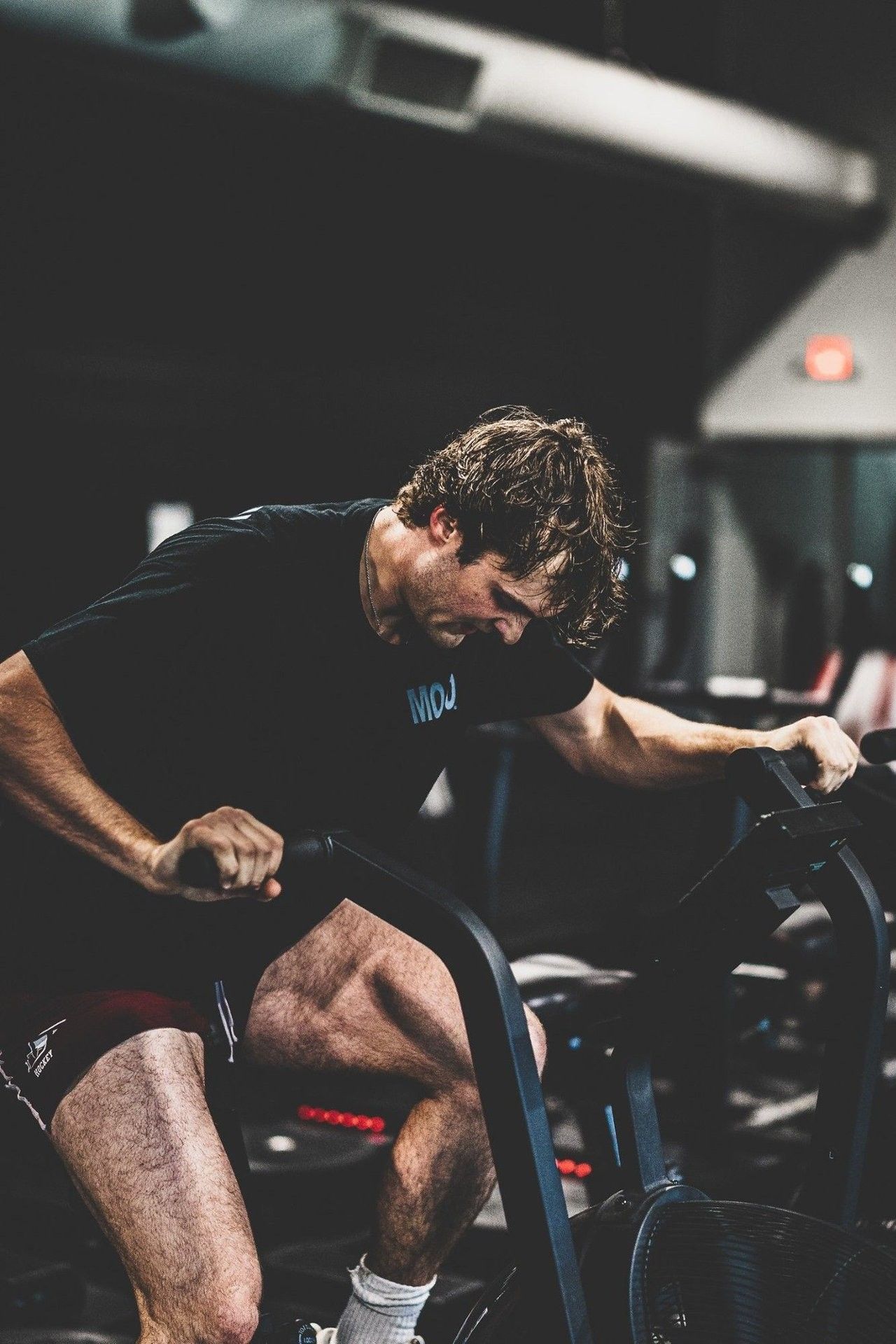
- Active recovery work including mobility, light cardio, and breathing drills
- Mental reset and reduced schedule pressure
- Prioritizing sleep and nutrition, which directly drive the adaptation you earned in the previous block
What a Deload Week Actually Looks Like
Here is a practical example from Week 5 of a 6-week training block:
ExerciseNormal WeekDeload WeekBack Squat4x5 at 80%3x5 at 50%Deadlift3x3 at 85%2x5 at 60%Sled Push5 rounds2 to 3 roundsSprint Work6x10m sprints3x10m technique focus onlyAccessory Lifts3x102x10 bodyweight only
The deload week looks lighter on paper. That is the point. What follows it, the performance spike that comes from proper recovery and adaptation, is where the real results show up.
Programming Deloads Into Your Hockey Training
The athletes who see the most consistent year-over-year improvement are not the ones who train the hardest in isolation. They are the ones whose programs are built intelligently, with performance spikes and recovery windows designed to work together.
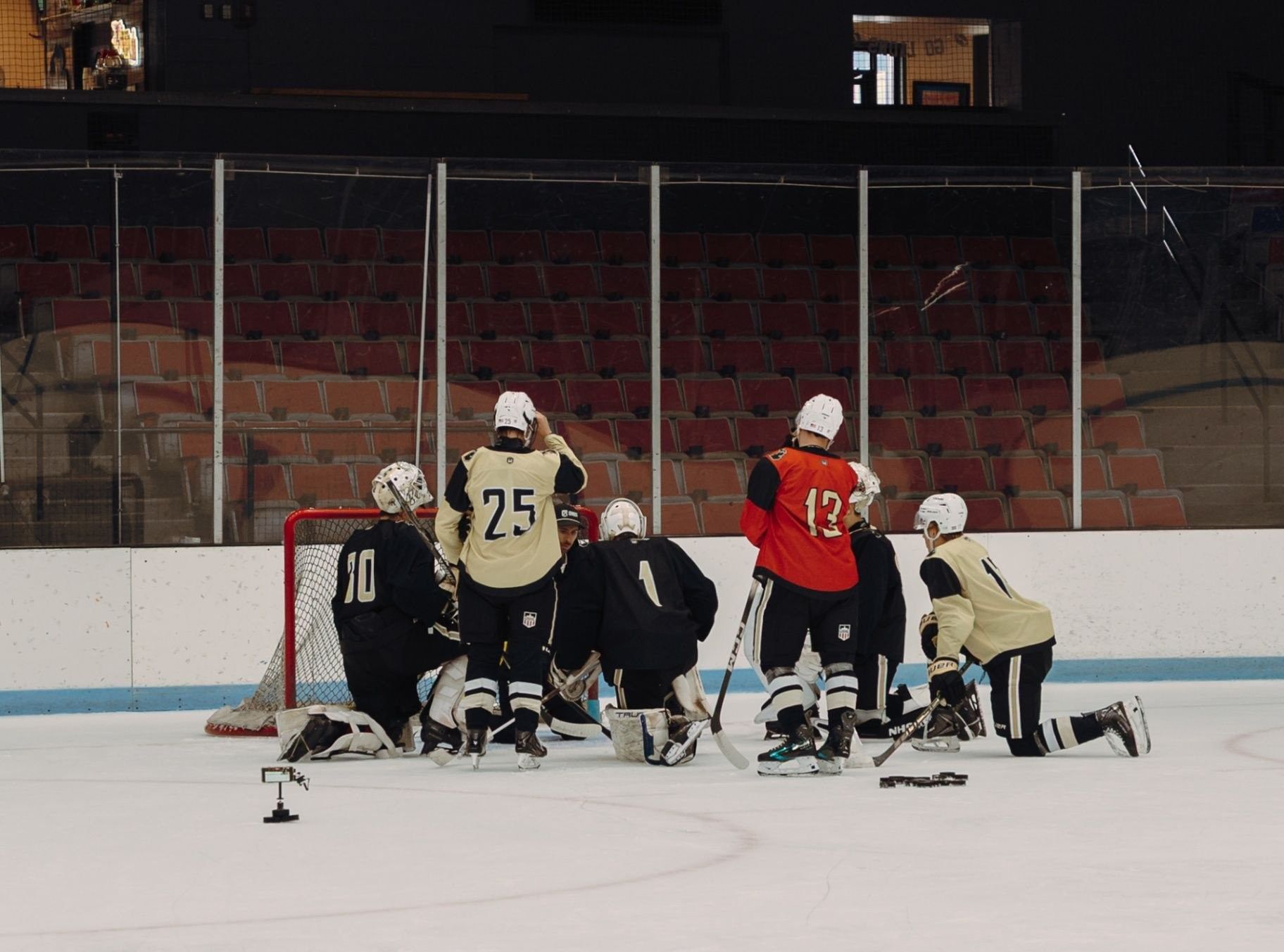
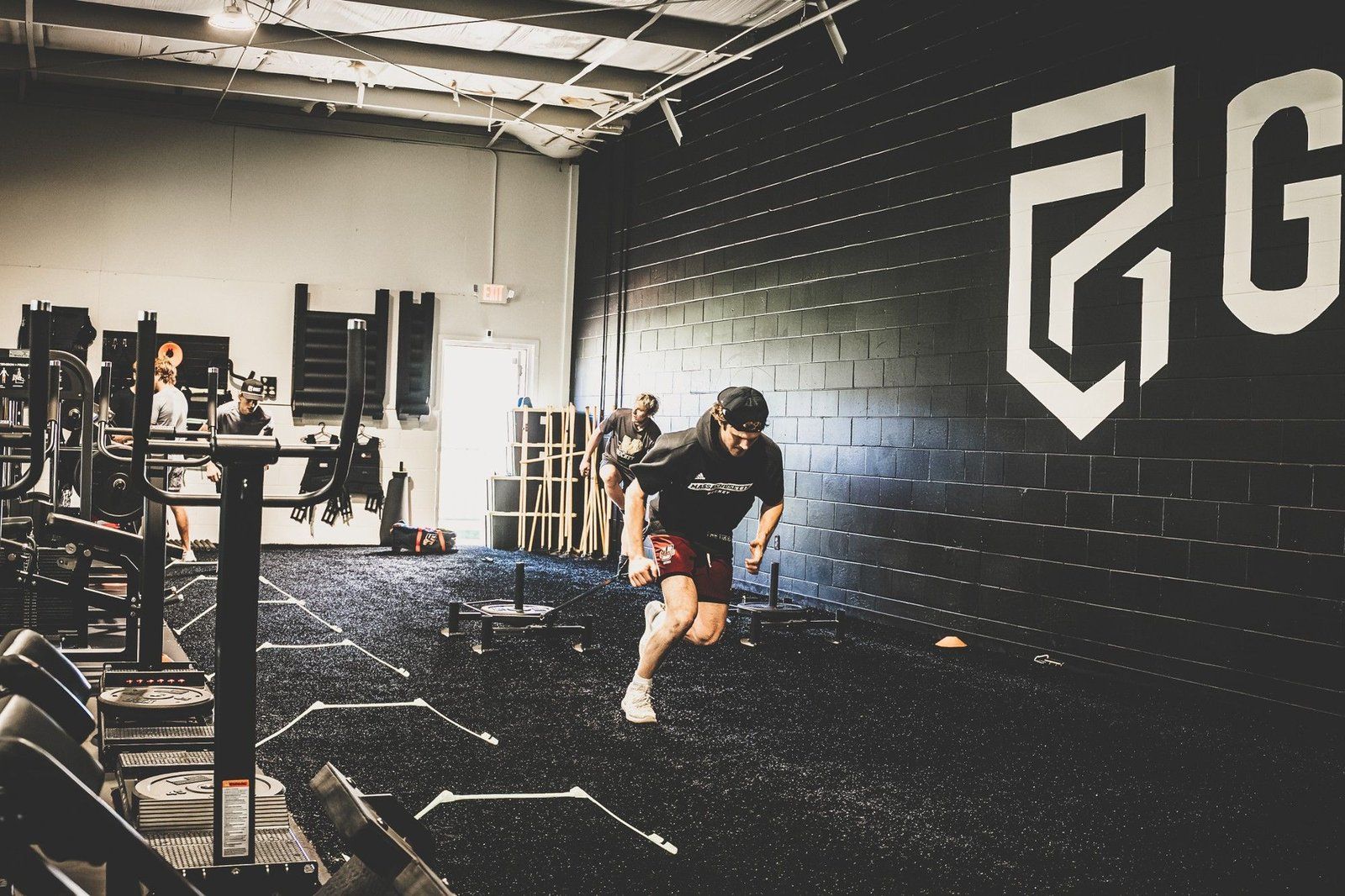
This is how we structure offseason and in-season hockey training at Ghost Athletica. We do not guess at programming. We build phases that account for where you are in the season, how your body is responding, and when to push and when to pull back.
If you are a hockey player or goaltender in the Grand Rapids area looking for a structured strength and conditioning program that includes this kind of intelligent periodization, Ghost Athletica's hockey training programs are built around exactly this approach. Learn more at ghostathletica.com.
Dr. Jamie Phillips, DPT Ghost Athletica | Ghost Goaltending | Grand Rapids Hockey Training Byron Center, Michigan | ghostathletica.com