How to Stay Locked In When the Game Gets Wild
Emotional regulation is a trainable skill, and it might be the most underrated competitive advantage in hockey
Dr. Jamie Phillips | Ghost Athletica | Grand Rapids, Michigan
You have seen both types of players.
The one who falls apart after a bad shift, a missed call, or a goal against. And the one who stays composed and focused no matter what is happening on the scoreboard, regardless of the score, the momentum, or the situation.
That difference is not personality. It is not something you either have or do not have.
It is emotional regulation. And it is a skill you can train just like your skating, your shot, or your mobility.
Why Emotional Regulation Is a Performance Variable in Hockey
Hockey is fast. It is emotional. Momentum swings in seconds, and the internal state of each player on the ice directly affects the quality of their decisions.
Players who struggle to manage their emotional response tend to:
- Get distracted by mistakes or missed opportunities instead of moving on
- Spiral after one bad shift or controversial call
- Overthink in real time instead of reacting on instinct
- Miss tactical cues because they are emotionally overwhelmed in the moment
Players who can regulate their emotions stay grounded. They think clearly. They respond to what is actually happening rather than reacting to how they feel about it. That is the practical difference between high-level, consistent performance and rollercoaster results.
This is a core area of focus in the mental performance work we integrate into hockey training at Ghost Athletica in Grand Rapids.
Four Techniques to Build Emotional Regulation as a Hockey Player
Reset Routines
Every athlete needs a reliable, quick strategy to reset after a mistake before the next shift or the next play begins.
Your reset can be physical, such as tapping your pads or stick, taking one sharp breath, or a specific physical cue you associate with moving on. It can be mental, such as a short internal phrase like "next play" or "clean slate." Or it can be both.
The key is that it is pre-built, practiced, and automatic so that when the moment of frustration or pressure arrives, the reset is already there waiting.
Build the habit of using it after a goal against, after a bad shift, after a turnover, and after a missed opportunity. The more consistently you use it in practice, the more reliably it will be available in games.
Journaling and Post-Game Reflection
Writing things down is one of the most effective tools for processing the emotional residue that builds up over a long season. The goal is not to dwell. It is to discharge.
A simple structure that works well for hockey athletes:
- What went well today, specifically
- What I learned from what did not go well
- One thing I want to adjust going forward
This builds the habit of processing experience with intention rather than just carrying it forward as unresolved emotional weight into the next game or practice.
Mindfulness and Breathwork
Five to ten minutes of structured breathwork or mindfulness practice per day meaningfully improves your ability to notice emotional spikes without immediately reacting to them. That gap between stimulus and response is where composure lives.
Practical starting points include box breathing, which is four counts in, four counts hold, four counts out, four counts hold. Guided meditation apps work well for athletes who want more structure. Breath-to-movement routines that combine intentional breathing with light mobility work are also effective, particularly as part of a pre-game routine.
The goal is not to eliminate emotions. It is to develop enough awareness that you can choose your response rather than being driven by the emotion automatically.
Cue-Based Awareness During Games
Build the habit of checking in with yourself at natural breaks in play, between whistles, during a line change, or after a goal. A simple internal audit:
- Where is my focus right now?
- What emotion am I currently feeling?
- Is it helping my performance or hurting it?
If the answer is that it is hurting, use your reset. This creates a feedback loop that gradually replaces emotional reactivity with intentional response, which is exactly what separates high-level hockey players from athletes with similar physical tools who cannot perform consistently under pressure.
What Elite Players Actually Do Differently
Elite players do not ignore their emotions. They manage them.
Whether they are up five to nothing or down three to one with ten minutes left, they stick to their process, trust their reset tools, and refuse to ride the emotional rollercoaster that derails less disciplined players.
They understand that consistency requires control. And that control is built through practice, not willpower alone.
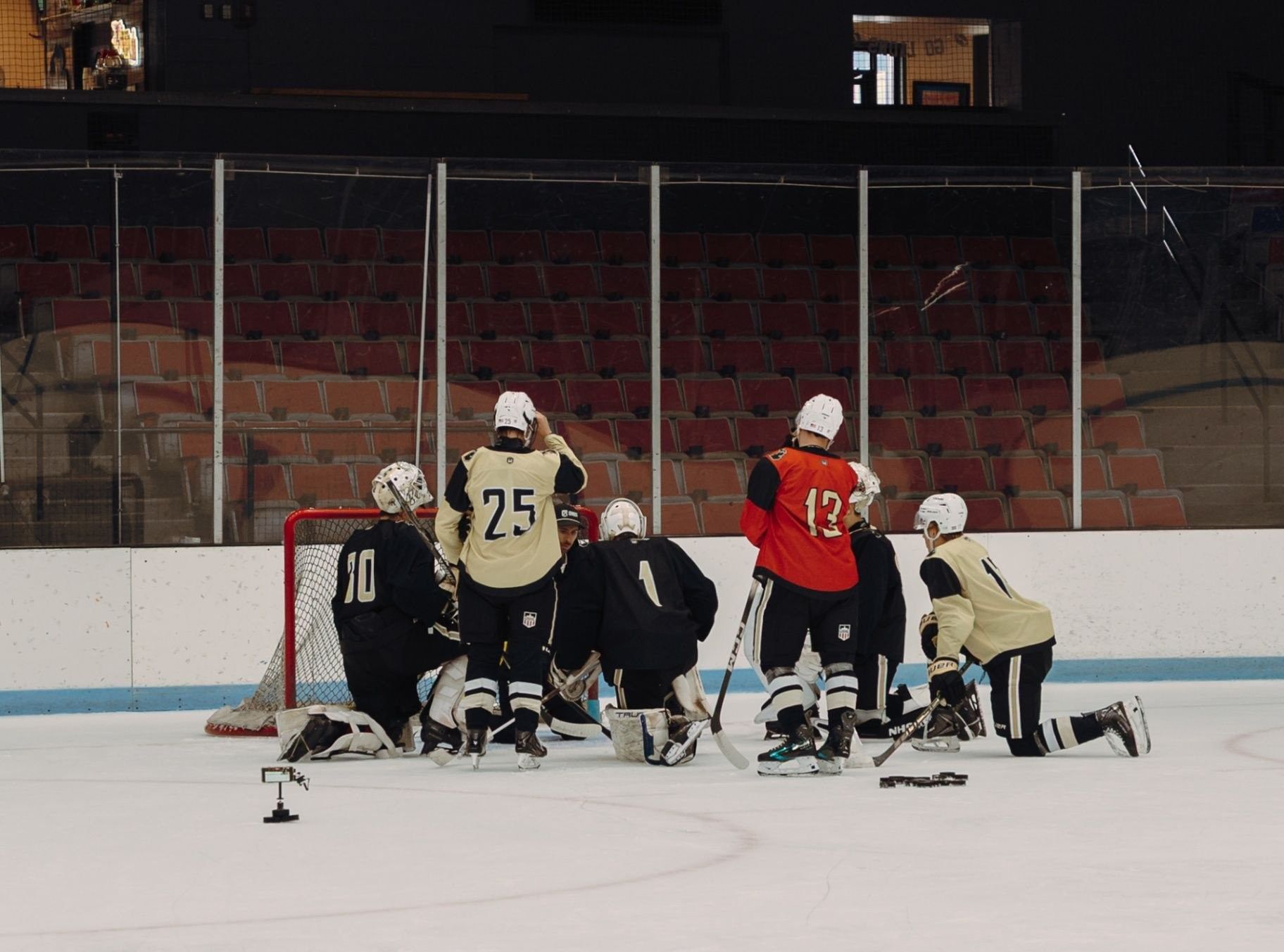
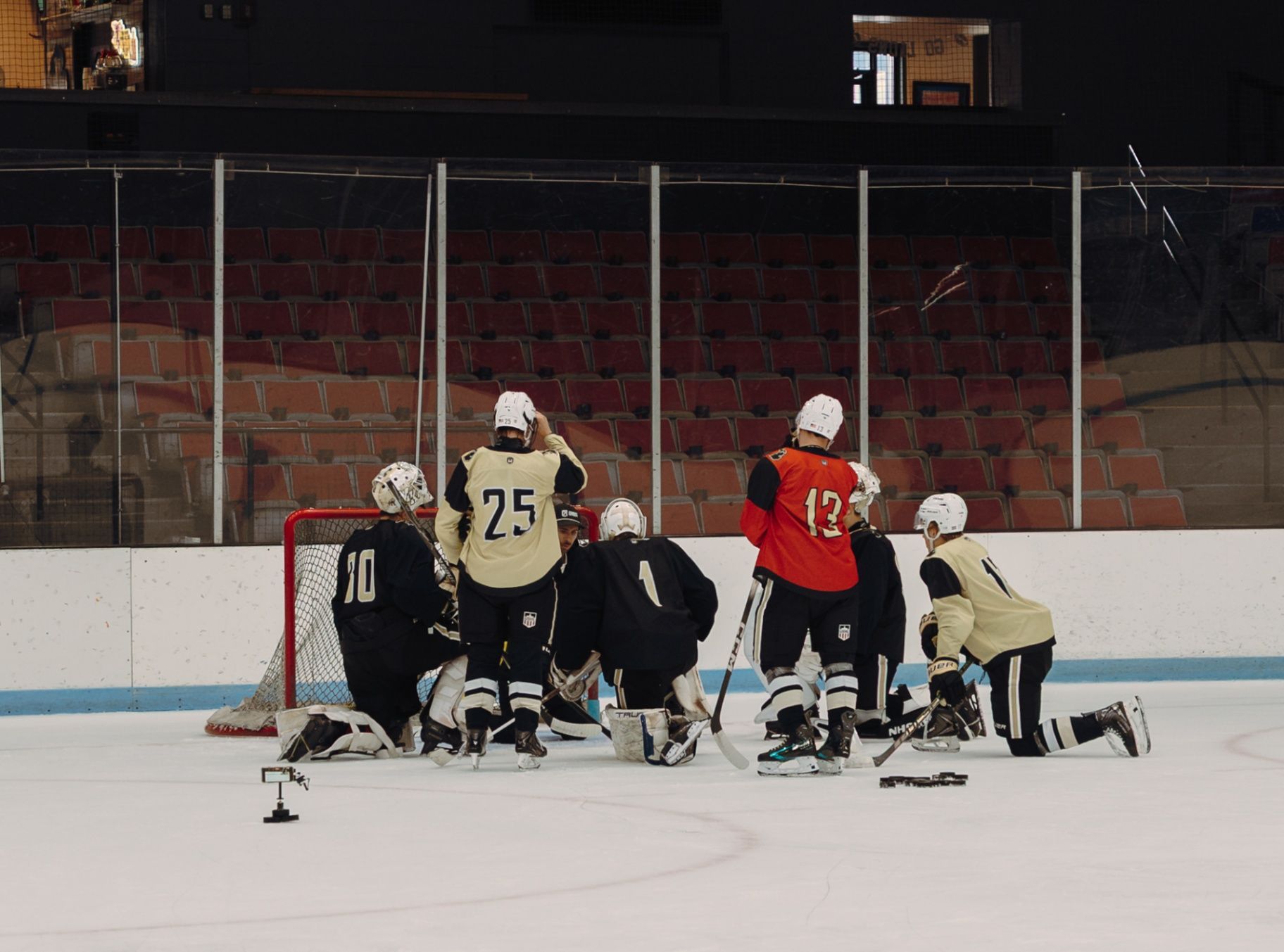
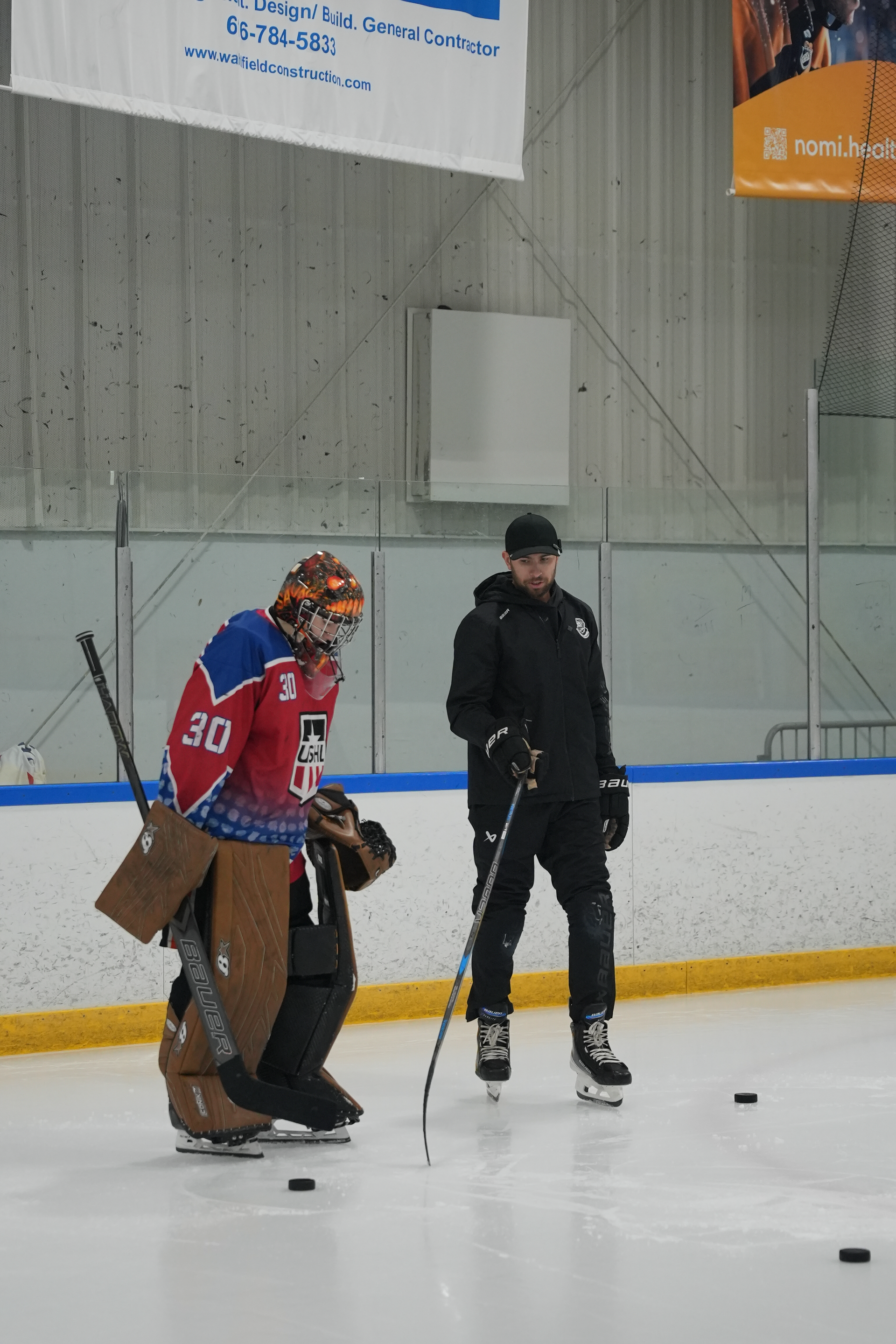
This is why mental performance training is not optional in our hockey development programs at Ghost Athletica. It is built into the process alongside physical training and technical skill work. For our goalies specifically, the ability to reset quickly and stay locked in under pressure is one of the most direct performance variables we track and develop.
If you are a hockey player or goaltender in the Grand Rapids area looking to develop your mental game alongside your physical and technical development, Ghost Athletica's hockey training programs address all three. Learn more at ghostathletica.com.
Dr. Jamie Phillips, DPT Ghost Athletica | Ghost Goaltending | Grand Rapids Hockey Training Byron Center, Michigan | ghostathletica.com