Hockey Mental Performance | Ghost Athletica | Grand Rapids Hockey Training
You Are Probably Making This Mistake: How Visualization Actually Works
If you only train physically, you are leaving real performance gains on the table. Here is how to fix that.
Dr. Jamie Phillips | Ghost Athletica | Grand Rapids, Michigan
If you only train physically, you are leaving results on the table.
The best athletes in the world do not just work hard physically. They also develop their ability to see success before it happens, to rehearse the moment mentally with enough specificity and sensory detail that their nervous system treats it as genuine preparation.
That is the power of visualization and mental rehearsal. And it is one of the most consistently underused tools in hockey development at every level, from youth programs in Grand Rapids through junior and college hockey.
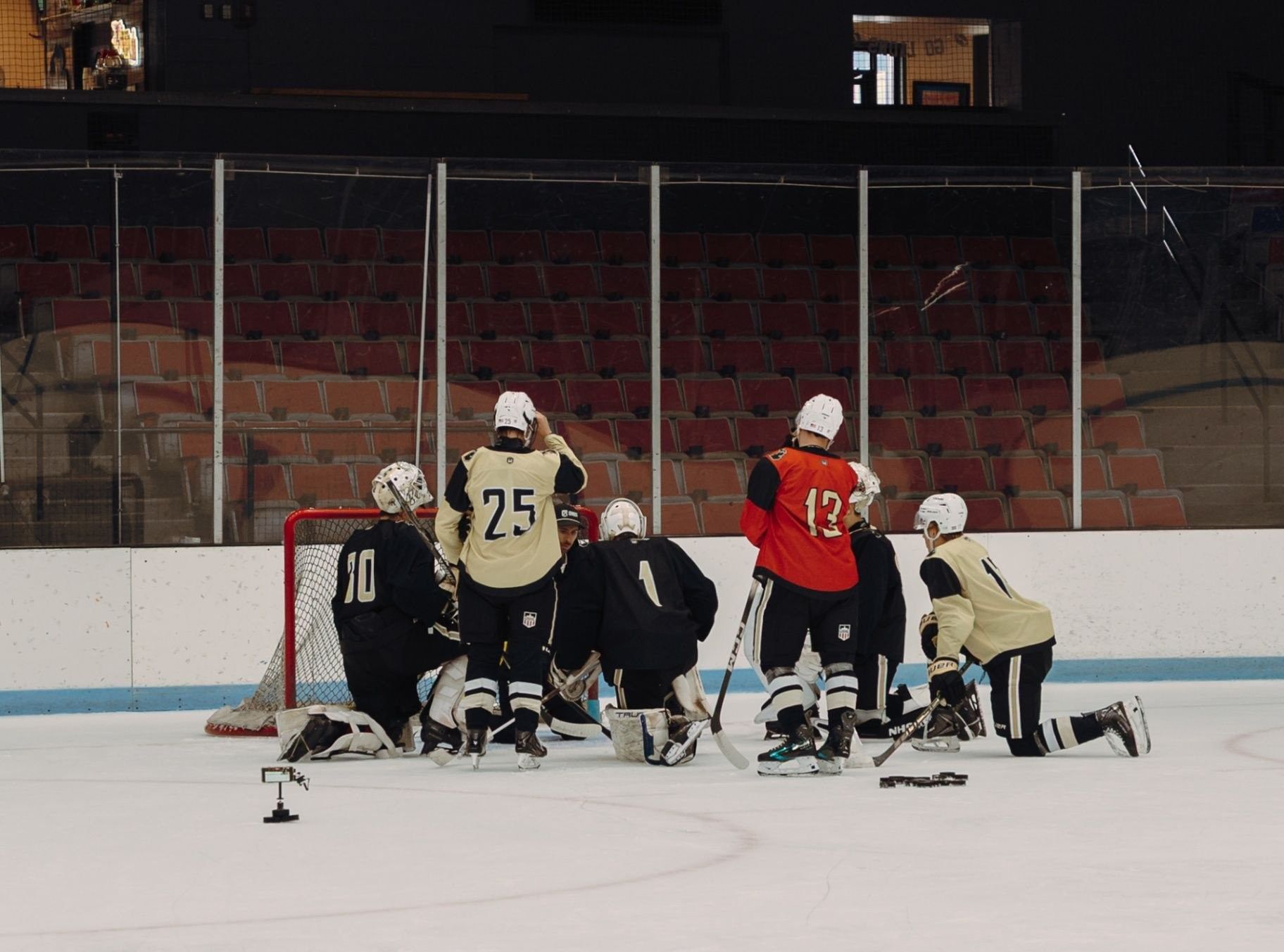
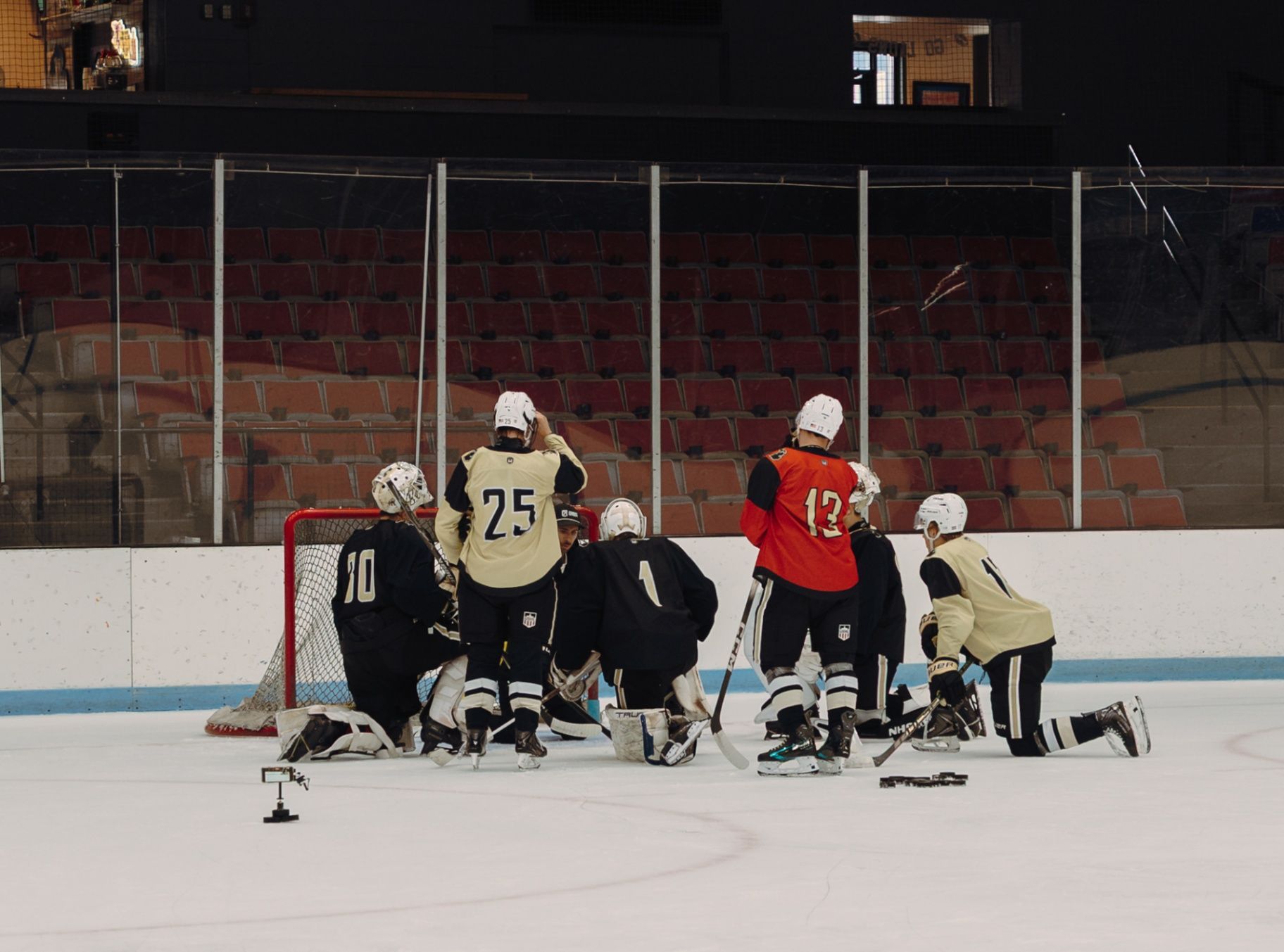
Whether it is a clutch save in overtime, a game-winning shot from the circle, or a tape-to-tape breakout pass under pressure, mentally rehearsing those moments builds real confidence and faster reaction time without ever stepping on the ice.
What Visualization Actually Is
Visualization is the practice of mentally rehearsing a movement or performance scenario as vividly and specifically as possible.
It is not thinking positive thoughts. It is not imagining a highlight reel in a general, feel-good way. It is a structured, sensory-rich mental rehearsal that engages your brain the same way physical practice does.
What does the puck feel like on your stick in that moment? What is your body doing just before the shot releases? What sound do your skates make cutting across the crease on that push? How does it feel in your body when you execute that play exactly right?
Research consistently shows that mental imagery activates the same neural pathways as physical practice. Your brain does not draw a sharp distinction between vividly imagining an action and actually performing it. That neurological reality is what makes visualization a genuine training tool rather than a mental wellness exercise.
Why Visualization Works for Hockey Athletes
It Trains the Brain Under Pressure
When you rehearse high-stakes game moments mentally with enough repetition and vividness, your nervous system becomes familiar with them. That familiarity reduces the panic response and increases poise when the real situation arrives. The moment feels less novel because your brain has already been there.
It Reinforces Technical Patterns
Visualizing perfect form, positioning, or movement mechanics helps reinforce the motor patterns you are simultaneously building through physical practice. Mental reps and physical reps work together rather than in isolation.
It Builds Deep Confidence
Repeatedly seeing yourself execute successfully, in specific, detailed, sensory-rich scenarios, builds a genuine internal sense of readiness that is different from forced positivity. You are not telling yourself you will do well. You are building a library of mental experiences where you already have.
It Enhances Pre-Competition Focus
A short, structured visualization routine before games helps lock in your mindset, reduce environmental distractions, and arrive at the first puck drop already mentally rehearsed rather than starting cold.
How to Practice Visualization in Five Minutes a Day
Step 1: Find a Quiet Space
Sit or lie down somewhere without interruptions. Remove distractions and give yourself permission to focus completely. The quality of the mental environment you create directly affects the quality of the imagery you produce.
Step 2: Choose a Specific Scenario to Rehearse
Do not visualize "playing well" in a general sense. Pick something concrete. A rush save from the short side. A backcheck recovery to break up a two-on-one. A tape-to-tape breakout under pressure. The more specific the scenario, the more directly it transfers to game performance.
Step 3: Walk Through the Play Using All Five Senses
This is the step most athletes skip, and it is the one that separates effective visualization from passive daydreaming.
Sight: See the ice, the jersey colors, the shooter's release point, the puck moving from stick to body.
Sound: Hear your skates cutting, the crowd reacting, a teammate calling for the puck, the sound of a clean glove save.
Touch: Feel the stick in your hands, your edges biting into the ice, your pads absorbing the shot, the physical sensation of perfect execution.
Smell: The cold arena air, the rubber of your equipment, the familiar sensory environment of a game situation.
Taste: The water bottle between whistles, the dry mouth of a tense moment, whatever makes the imagery feel genuinely real rather than observed from a distance.
The more senses you engage, the more your brain treats the rehearsal as a real experience, and the more it transfers to actual performance.
Step 4: Keep It Positive and Process-Focused
Focus on the process of execution rather than just the outcome. What does perfect movement feel like throughout the sequence? How do you respond and reset after a mistake within the scenario? You are building trust in your preparation, not manufacturing unrealistic perfection.
If a negative outcome enters the imagery, stop, reset, and replay the scenario with successful execution. Your brain learns from what you rehearse.
Step 5: Repeat Consistently
Mental reps compound exactly like physical reps do. The more vivid and consistent your visualization practice is over time, the more it translates to real-game confidence and execution speed.
Five minutes per day, practiced consistently, produces meaningfully different results than occasional visualization sessions before big games. Build it into your routine the same way you build in physical training.
When to Use Visualization
Before games: For pre-competition routine, confidence building, and mental preparation before the puck drops.
After mistakes: To mentally reset and correct in real time, replacing the memory of the error with a successful rehearsal of the same situation.
On off-ice recovery days: As an additional training layer that develops your mental preparation without adding physical load.
Before bed: To reinforce skill development and game preparation during a period when the brain is consolidating the day's learning.
How This Fits Into a Complete Hockey Development Program
Physical training develops what your body can do. Visualization training develops your brain's ability to access and execute those physical capabilities when it matters most, under pressure, after mistakes, in the moments that decide games.
At Ghost Athletica, mental performance tools including visualization are integrated into our hockey training programs for players and goalies across the Grand Rapids area because the athletes who develop both physical and mental training habits consistently outperform those who develop only one.
If you are a hockey player or goaltender in West Michigan looking for a development program that takes mental performance as seriously as physical preparation, Ghost Athletica's hockey training programs are built for exactly that. Learn more at ghostathletica.com.
Dr. Jamie Phillips, DPT Ghost Athletica | Ghost Goaltending | Grand Rapids Hockey Training Byron Center, Michigan | ghostathletica.com