Hockey Development | Ghost Athletica | Grand Rapids Hockey Training
Damn Chelios, Let the Kids Play: Why Unstructured Hockey Builds Better Players
How pond hockey, pickup games, and free play develop the creativity, instincts, and decision-making that structured practice cannot replicate
Dr. Jamie Phillips | Ghost Athletica | Grand Rapids, Michigan
When we talk about getting better at hockey, the conversation almost always goes to systems, drills, and structured reps.
And yes, structure matters. Mechanics are built through deliberate, organized practice. That is not up for debate.
But not all development happens inside the lines of a practice plan. Some of the most valuable growth in a hockey player's career happens during unstructured play, and it is one of the most consistently undervalued development tools in youth hockey across Grand Rapids and across Michigan.
What Is Unstructured Play?
Pond hockey. Street hockey. Backyard nets. Pickup games. Small-area games with no coach, no whistle, and no systems being called out from the bench.
Unstructured play is any time a player steps into a hockey environment without a coach directing the structure of what happens next.
The research on this is consistent and compelling. Free play builds better decision-making, greater confidence, stronger creativity, and deeper enjoyment of the game than structured practice alone. Athletes who grow up with significant unstructured play time alongside formal training consistently develop better hockey sense than those whose entire development experience has been coach-directed.
For Goalies: Read and React, Not Just Repeat
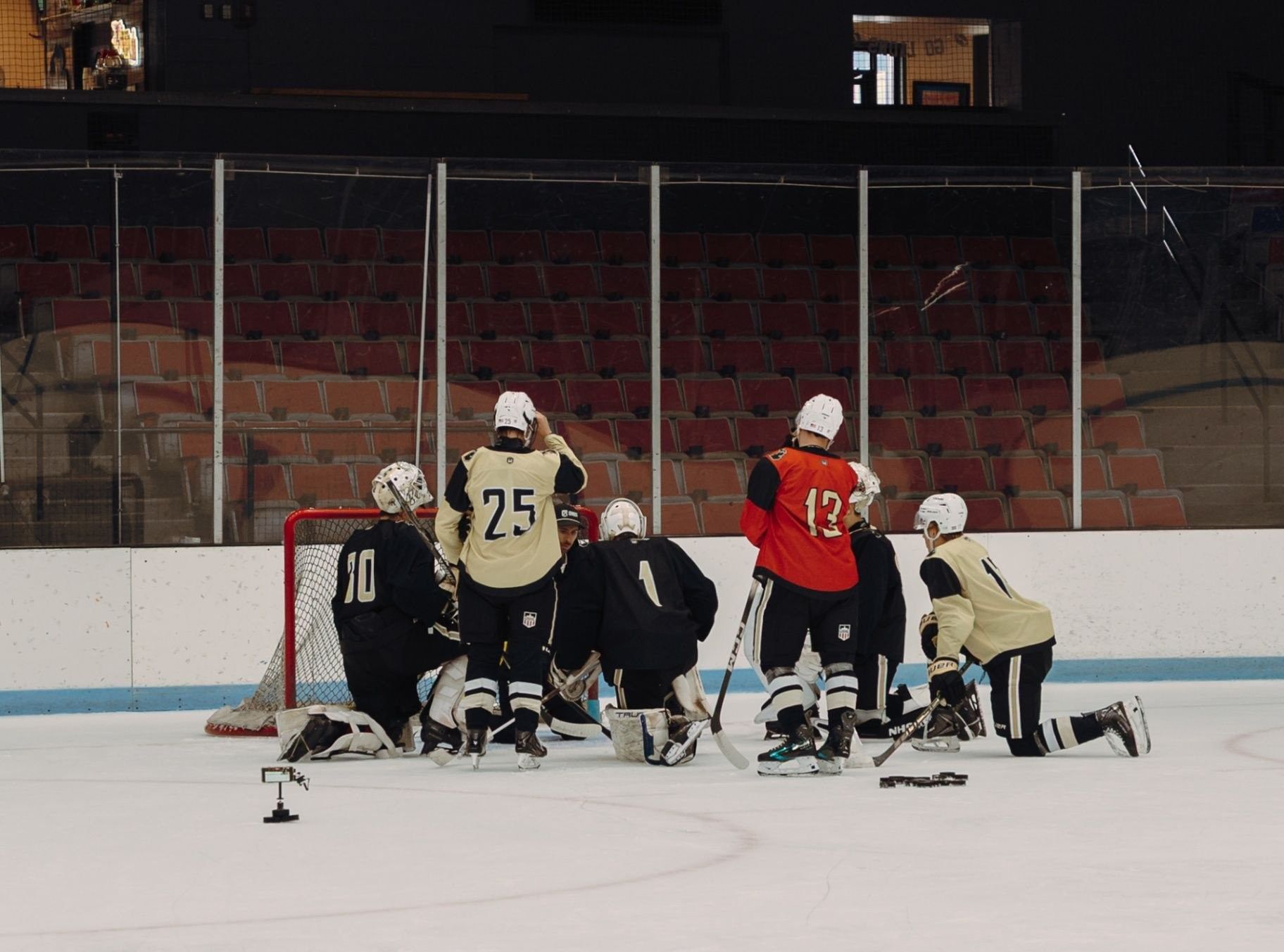
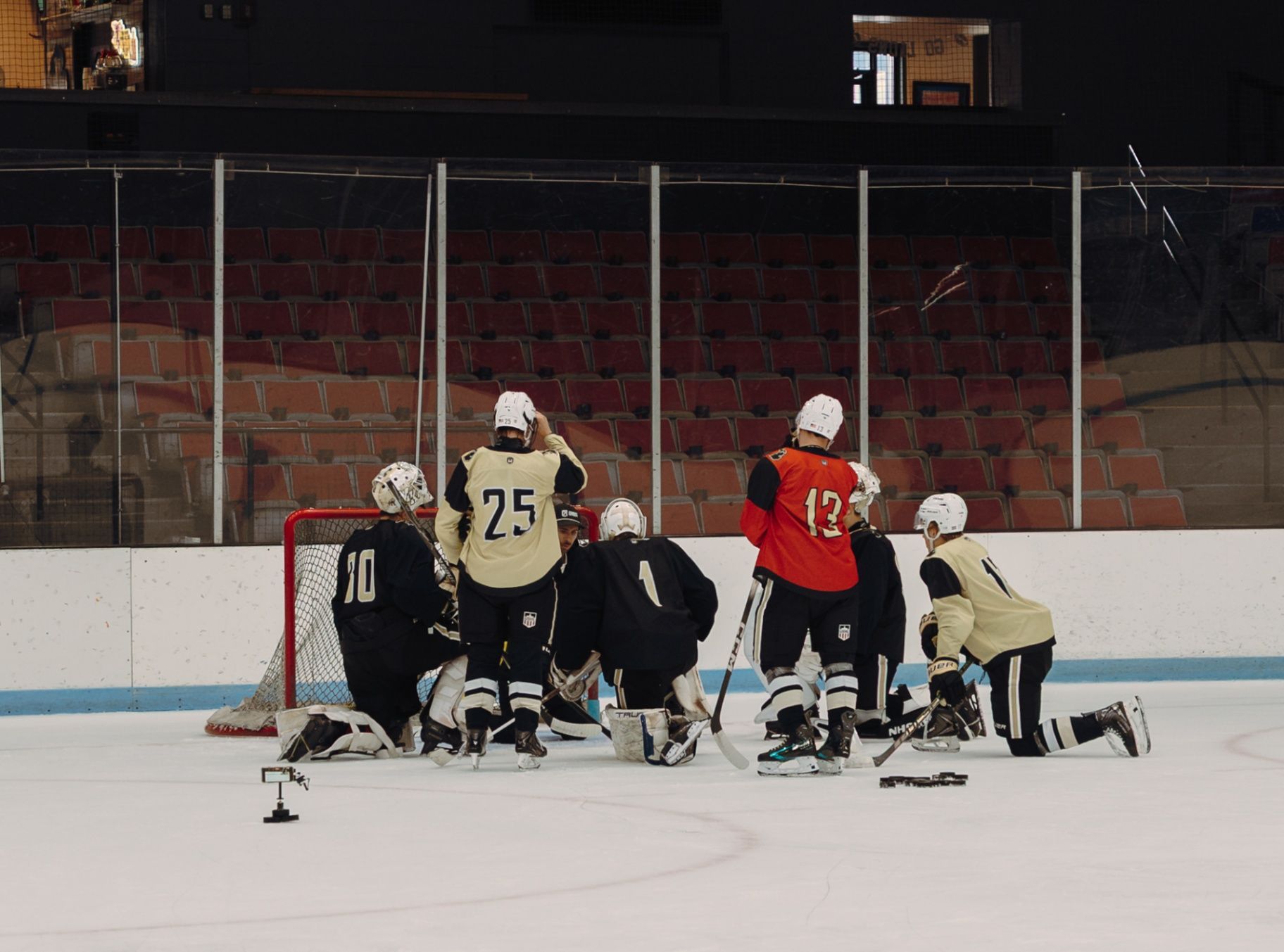
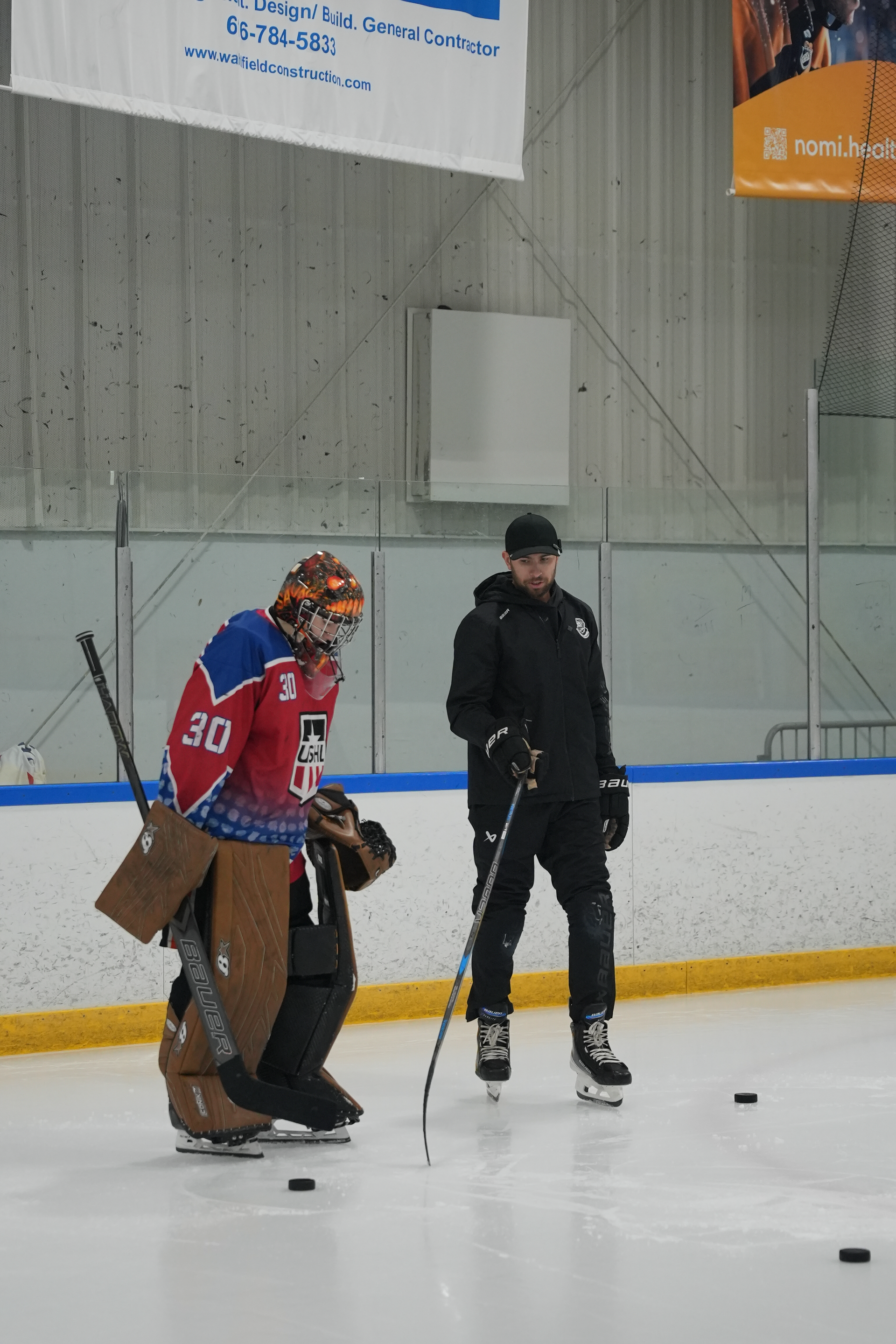
In formal goalie training, the drills are predictable by design. That predictability is valuable for building mechanical habits and technical consistency. But the real game is not predictable, and training exclusively in predictable environments produces goalies who are technically sound and situationally fragile.
Unstructured play gives goalies exposure to exactly the unpredictability that formal practice cannot manufacture:
- Reading plays with incomplete information and limited time
- Tracking pucks through traffic, chaos, and broken plays
- Adapting to unusual angles, late deflections, and in-zone scrambles without a pre-set response pattern
- Developing true battle mode composure through repeated exposure to unscripted, high-pressure situations
Pickup games and pond hockey are where real read-and-react ability gets built. The mechanical foundation comes from formal training. The instincts come from chaotic, unstructured competition.
This is something we talk about regularly in our goaltender development programs at Ghost Goaltending in the Grand Rapids area. Technical development and competitive instinct development are both necessary. One does not replace the other.
For Skaters: Play Without Fear of Mistakes
Most structured drills are designed to produce clean reps, not to encourage risk-taking. That is appropriate for building technical habits. But creativity does not develop in environments where mistakes are consistently penalized, corrected, or even just noticed.
Unstructured play gives skaters the freedom to:
- Try new moves and handle the puck in tight spaces without consequences for failure
- Make reads on the fly without being over-coached through every decision
- Work on instinctual playmaking in small-area situations that mirror the compressed, reactive nature of real games
- Build genuine confidence through high-volume repetition without evaluation pressure
The best forwards in hockey learned their hands, their deception, their creativity, and their confidence from thousands of hours of pickup hockey and pond games, not exclusively from structured practice plans. That environment is where true hockey sense gets developed, and there is no drill that fully replicates it.
Why Unstructured Play Matters for Long-Term Development
More Touches, More Reps
In a thirty-minute pond hockey game, a player may touch the puck more than they do across two full weeks of structured team practice. That volume of puck contact compounds dramatically over a full offseason.
Faster Decision-Making
With no set systems or predetermined patterns to fall back on, players are forced to solve problems continuously. Every shift requires quick reads, spatial awareness, and real-time adjustments. That cognitive demand, repeated across hundreds of unstructured sessions, builds the processing speed that coaches cannot drill into a player directly.
Less Pressure, More Creativity
Without a coach's whistle or an evaluation attached to every decision, players are free to try things, fail, adjust, and refine in real time. This freedom is where hockey sense is actually built. The game within the game, the anticipation, the deception, the creativity under pressure, all of it develops most naturally in low-stakes, high-freedom play environments.
Mental Refresh and Burnout Prevention
Athletes who genuinely enjoy their sport train harder, stay engaged longer, and are significantly less vulnerable to burnout than those for whom hockey has become entirely obligation and evaluation. Unstructured play restores the intrinsic enjoyment that makes the demanding parts of development sustainable.
This is especially relevant in the Grand Rapids youth hockey community, where competitive pressure and year-round structured programming have increased significantly. Building unstructured play time into an athlete's development calendar is not a concession to having fun at the expense of improvement. It is a legitimate development strategy.
The Takeaway
Structure and freedom are not in competition with each other. The best-developed hockey players have both: a strong technical foundation built through deliberate, organized practice, and a rich library of instincts, reads, and creative solutions built through years of unstructured, chaotic, joyful hockey.
Go find a pickup game. Get on the pond. Play without a plan sometimes.
That is not wasted time. That is development.
If you are looking for a hockey training environment in Grand Rapids that understands how all the pieces of player development fit together, Ghost Athletica's programs are built around exactly that kind of complete, intelligent approach. Learn more at ghostathletica.com.
Dr. Jamie Phillips, DPT Ghost Athletica | Ghost Goaltending | Grand Rapids Hockey Training Byron Center, Michigan | ghostathletica.com