One of the most important questions in youth athlete development does not get nearly enough attention:
How much training should a hockey player actually do during the competitive season?
The answer is not "as much as possible." But it is also not "just play games and rest." The research is clear, and the implications for youth hockey players in Grand Rapids and across Michigan are significant.
What the Research Says About In-Season Youth Training
Minimum Effective Frequency
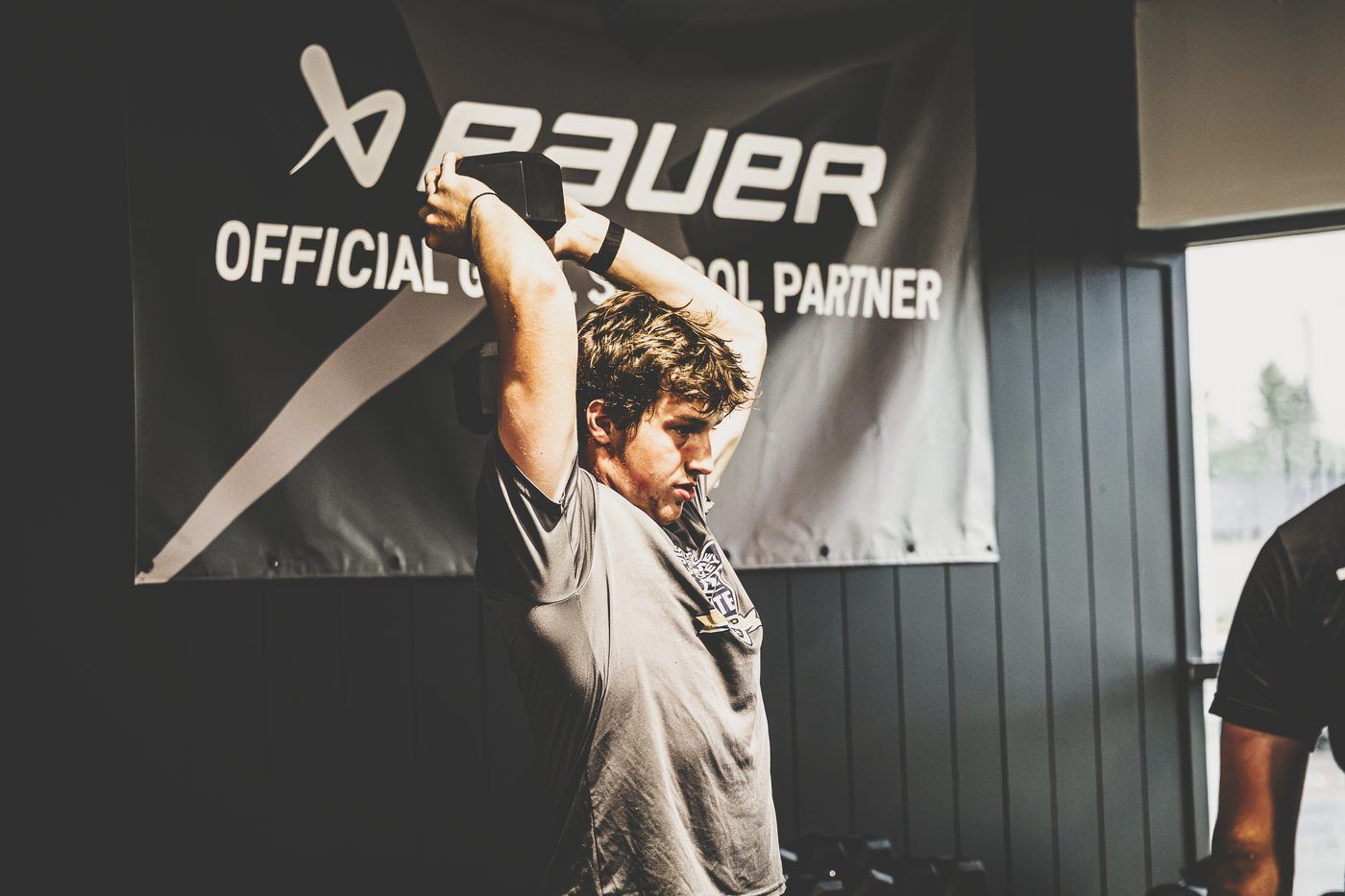
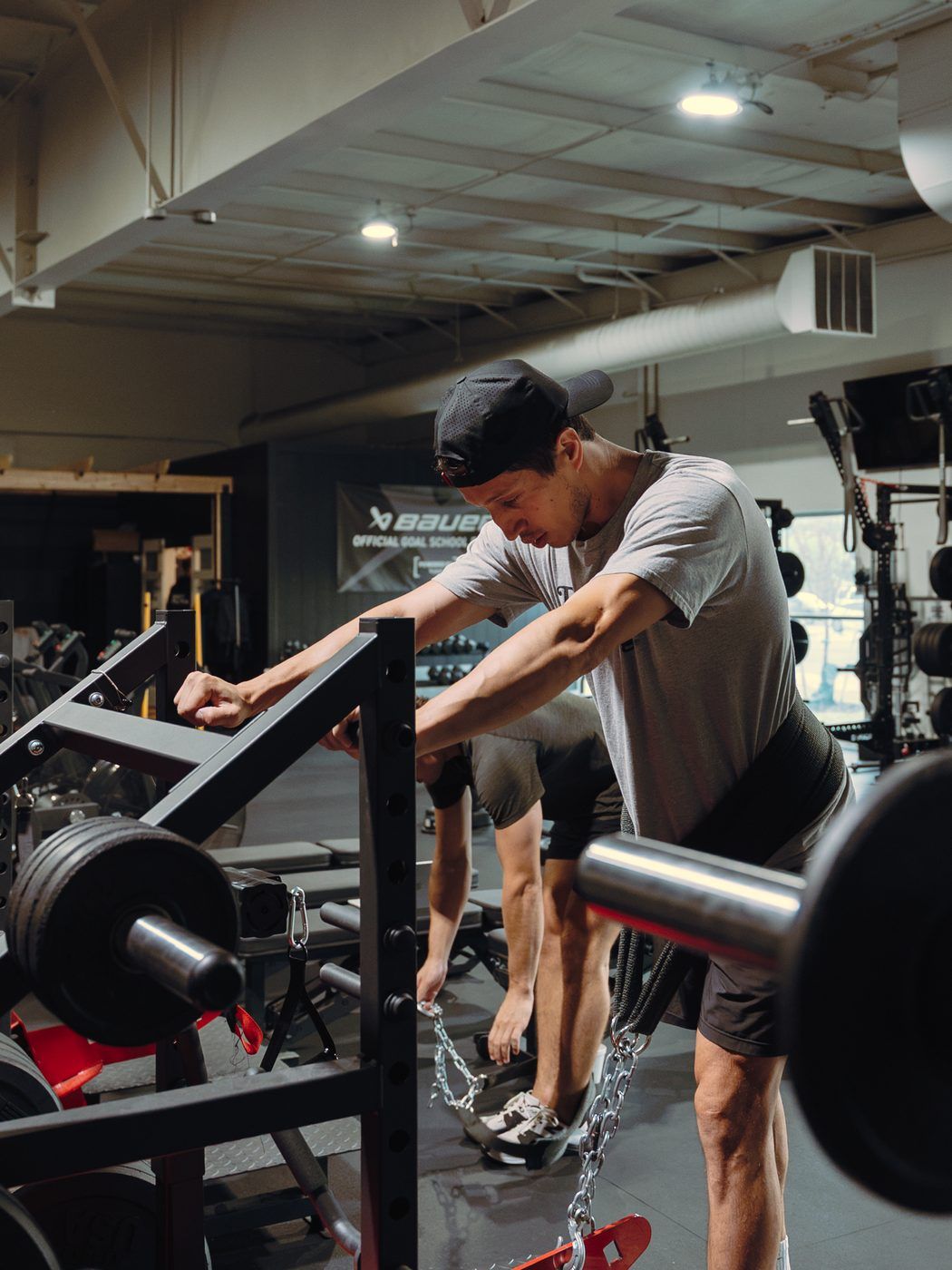
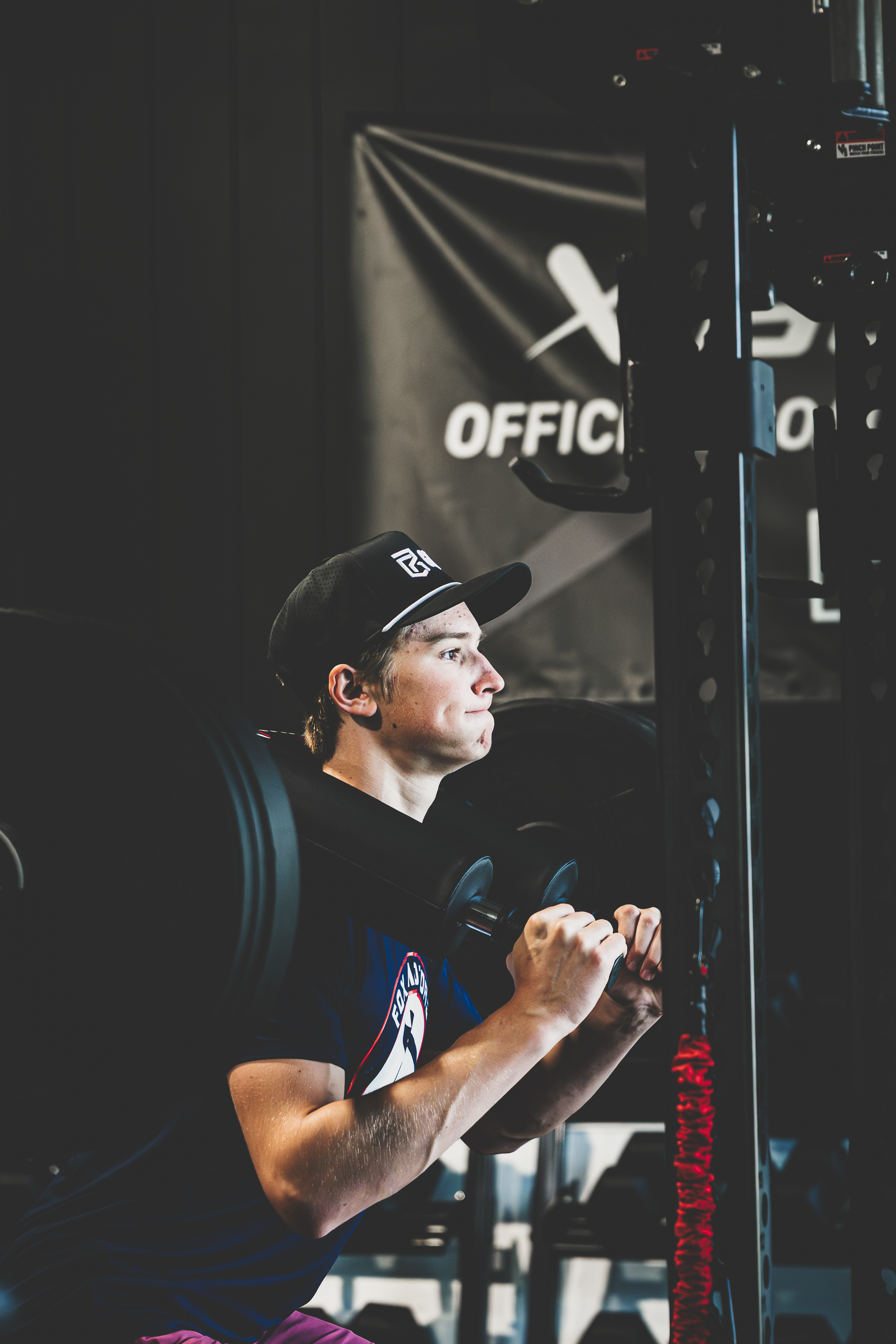
Most sports science experts recommend strength training 2 to 3 times per week for youth athletes during the season. This frequency builds and maintains strength while allowing adequate recovery between ice sessions and games.
The American Academy of Pediatrics supports resistance training 2 to 3 times weekly for a minimum of 8 weeks to achieve meaningful strength and neuromuscular adaptations.
A study of elite adolescent female soccer players found that two in-season strength sessions per week over 12 weeks produced greater improvements in physical fitness and a measurable reduction in non-contact injuries compared to a control group that did not train.
Multiple studies show that resistance training programs lasting 8 to 20 weeks can produce 13 to 30 percent strength gains in youth athletes, well beyond what natural development alone would generate.
The bottom line: hockey players who train at least twice per week during the season develop significantly better than those who rely on ice time alone.
Maintenance vs. Overtraining
While 3 sessions per week is the research-supported ideal, even once per week can be enough to maintain previously developed strength in adolescent athletes, according to the NSCA Position Statement.
However, there is an important caveat. Training too frequently or at too high an intensity can lead to overuse injuries, compounding fatigue, and burnout, particularly in younger or early-developing athletes. More is not always better. The right dose matters.
Recommended In-Season Training Frequency
These are off-ice dry-land training recommendations, in addition to on-ice practice and games.
Athlete LevelRecommended FrequencyAges 11 and up2 to 3 sessions per weekHigh School Athletes2 to 3 sessions per weekJunior, College, and Advanced3 to 4 sessions per week
Three sessions per week is the sweet spot for maintaining strength and reducing injury risk.
Two sessions per week is a solid standard for athletes in heavy game or travel stretches.
One session per week may prevent regression, but it is unlikely to produce meaningful progress.
These frequencies should always be adjusted based on total ice and game volume, travel and academic demands, and individual sleep, nutrition, and recovery habits.
Why In-Season Training Matters for Hockey Players
Maintaining Physical Capacity
Without a structured in-season plan, athletes begin to decondition as the season progresses. Strength, speed, and mobility all decline, and that decline compounds late in the season exactly when teams need their players performing at their best.
Injury Prevention
Regular exposure to strength and power work is one of the most effective tools for reducing overuse injuries, which are among the most common setbacks in youth hockey. A well-designed in-season program does not add injury risk. It reduces it.
Long-Term Athletic Development
Sustainable, appropriately dosed in-season training builds a better physical foundation not just for this season, but for the athlete's entire development arc. This is a core principle of the hockey training programs we run at Ghost Athletica in the Grand Rapids area.
Individualized In-Season Programming at Ghost Athletica
If you are looking for an in-season hockey training program that fits your game schedule, travel calendar, and recovery needs without sacrificing performance or risking burnout, this is exactly what we do at Ghost Athletica.
Coach Ben and I design individualized programming for youth, high school, junior, and elite hockey athletes across Grand Rapids and West Michigan. The program fits your week, not the other way around.
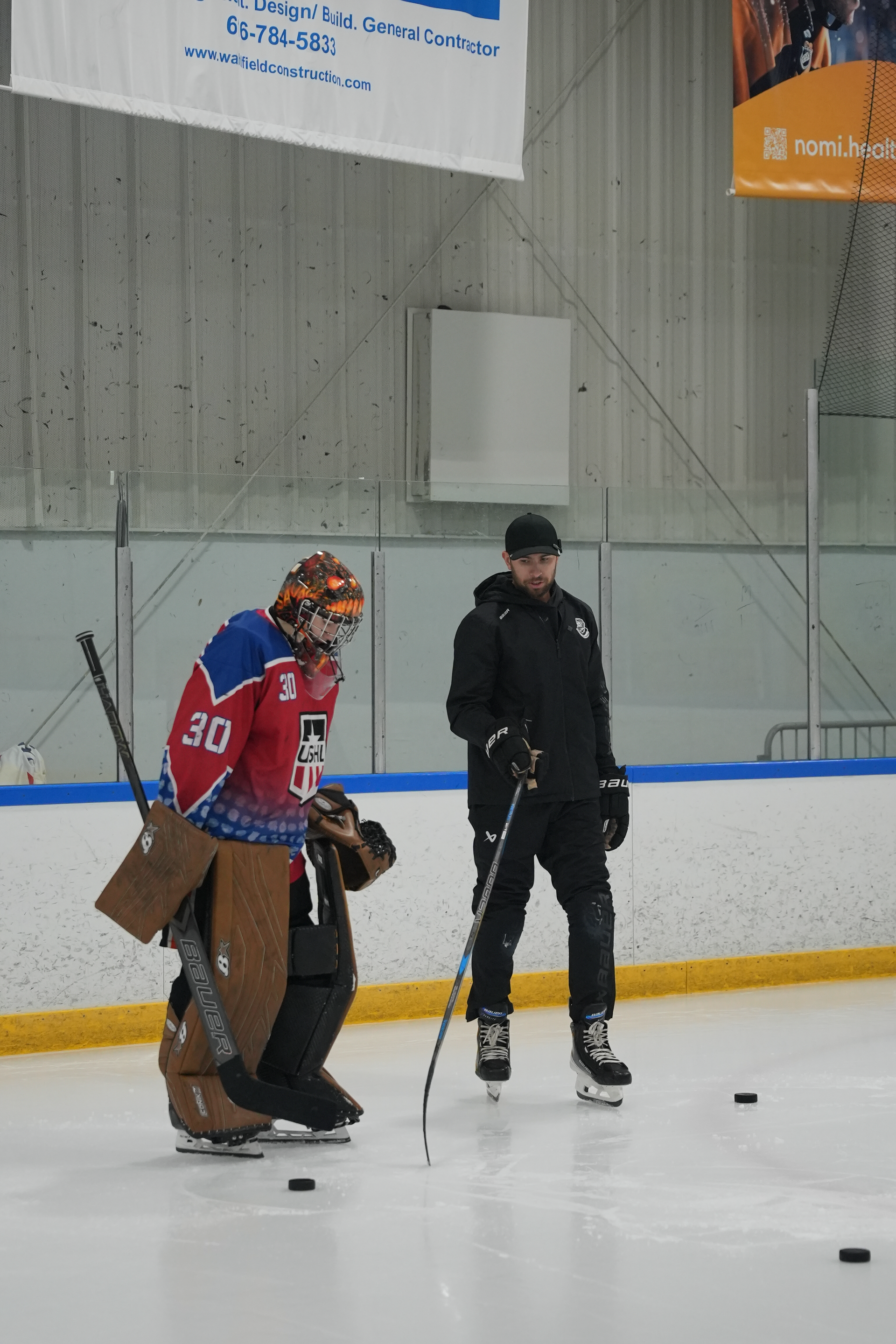
Whether you are a skater or a goaltender, in-season strength and conditioning is one of the highest-return investments you can make in your development this season.
Reach out at ghostathletica.com to learn more about our hockey training programs in the Grand Rapids area.
Dr. Jamie Phillips, DPT Ghost Athletica | Ghost Goaltending | Grand Rapids Hockey Training Byron Center, Michigan | ghostathletica.com