Quick Reactions Win Games: Here's How to Train Them
Why reaction time and neuro training are the missing layer in most hockey development programs, and how to build them
Dr. Jamie Phillips | Ghost Athletica | Grand Rapids, Michigan
Most hockey training programs cover speed, strength, and skill.
Very few cover reaction time.
That is a significant gap. Whether you are a goaltender tracking a deflection through traffic, a forward picking off a pass in the neutral zone, or a defenseman reading a two-on-one developing in front of you, the speed at which your brain processes visual information directly determines the speed at which your body can respond.
The good news is that reaction time is not fixed. Just like your muscles, your brain can be trained. That is where neuro drills and reaction training tools come in, and why we incorporate this layer into our hockey performance programming at Ghost Athletica in Grand Rapids.
What Better Reaction Time Actually Produces on the Ice
The on-ice outcomes of improved visual processing and reaction speed are concrete and measurable:
- Faster saves and quicker glove hands for goalies
- Quicker puck pickups and cleaner transitions for skaters
- Smarter decisions under pressure with less hesitation
- Better positioning before the play fully develops, because you read it earlier
In short, better reaction time means more plays made. That is true at every level from youth hockey in Grand Rapids through junior and college programs.
What the Research Says
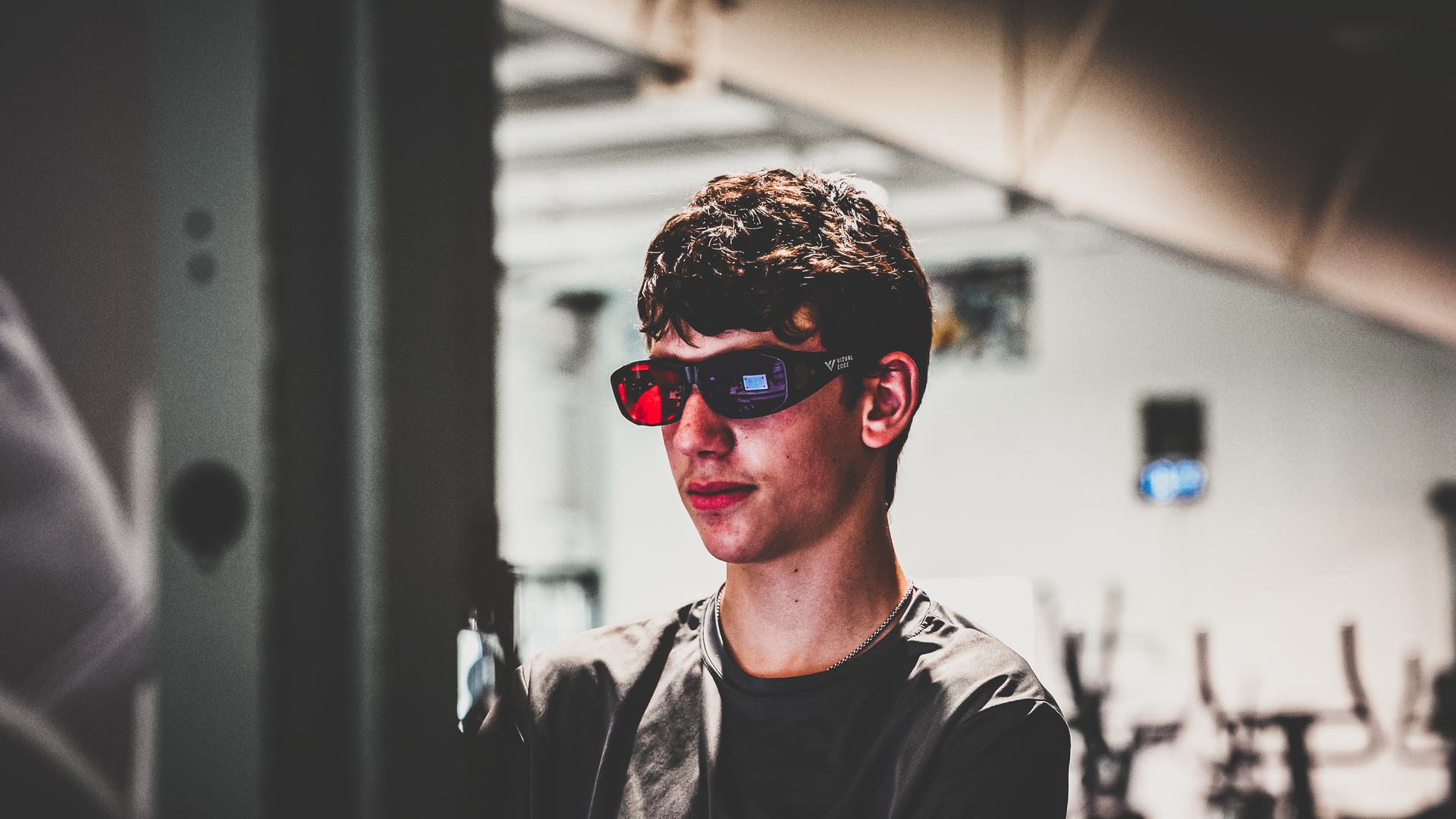
Reaction time and visual processing are trainable skills, not fixed traits. Studies show that athletes who perform sport-specific reaction and cognitive drills increase both response speed and accuracy under pressure, particularly when training with visual and sensorimotor tools like FITLIGHT systems and stroboscopic glasses.
This type of training improves neural efficiency, meaning your brain fires faster and with greater precision in response to the visual information your eyes are taking in. The adaptation is real and it transfers directly to game performance.
Tools That Improve Reaction Time for Hockey Athletes
FITLIGHT or Light-Response Boards
Tap lights as they flash in random sequences. This format is excellent for developing visual processing speed and hand-eye coordination, and most systems allow you to track progress through speed and accuracy metrics over time. The randomness of the stimulus is what makes this tool valuable. It prevents anticipation and forces genuine reactive response.
Reaction Balls and Unpredictable Bounce Tools
The unpredictable bounce patterns of reaction balls force quick visual reads and rapid body control adjustments. These are effective for developing multi-directional speed and hand-eye coordination and work well in both solo and small-group training formats.
Vision Training Apps
Platforms like Blazepod and Reflexion allow you to create customizable drills targeting focus, processing speed, and reaction accuracy. They are portable, scalable, and can be used effectively in the gym or as part of an on-ice warm-up routine.
Simple Partner Drills
Do not underestimate low-tech options. Drop stick catches, color call-outs, and mirror drills are high-return when done consistently and with intention. Partner drills add an unpredictability element that solo drills cannot fully replicate, and they are accessible to any athlete regardless of budget or equipment access.
How to Program Reaction Training
The programming parameters here matter as much as the tools themselves.
Frequency: Two to three times per week is sufficient to drive meaningful adaptation without creating fatigue that undermines the quality of the work.
Duration: Five to ten minutes per session. Reaction training should be done when the nervous system is fresh, not at the end of a long training block when fatigue is already accumulated.
Timing: Pair reaction drills with warm-ups or technical skill blocks rather than appending them to the end of a heavy training session. The goal is crisp, fast, high-quality reps, not grinding through fatigue.
Tracking: Record response time, accuracy, or rep count over time. Like any other training variable, progress in reaction training responds to progressive overload and consistent measurement.
Where This Fits in a Complete Hockey Development Program
Physical speed is only as valuable as the reaction speed that initiates it. An athlete who is physically fast but slow to process visual information will consistently be a step behind an athlete with average physical speed and a well-trained nervous system.
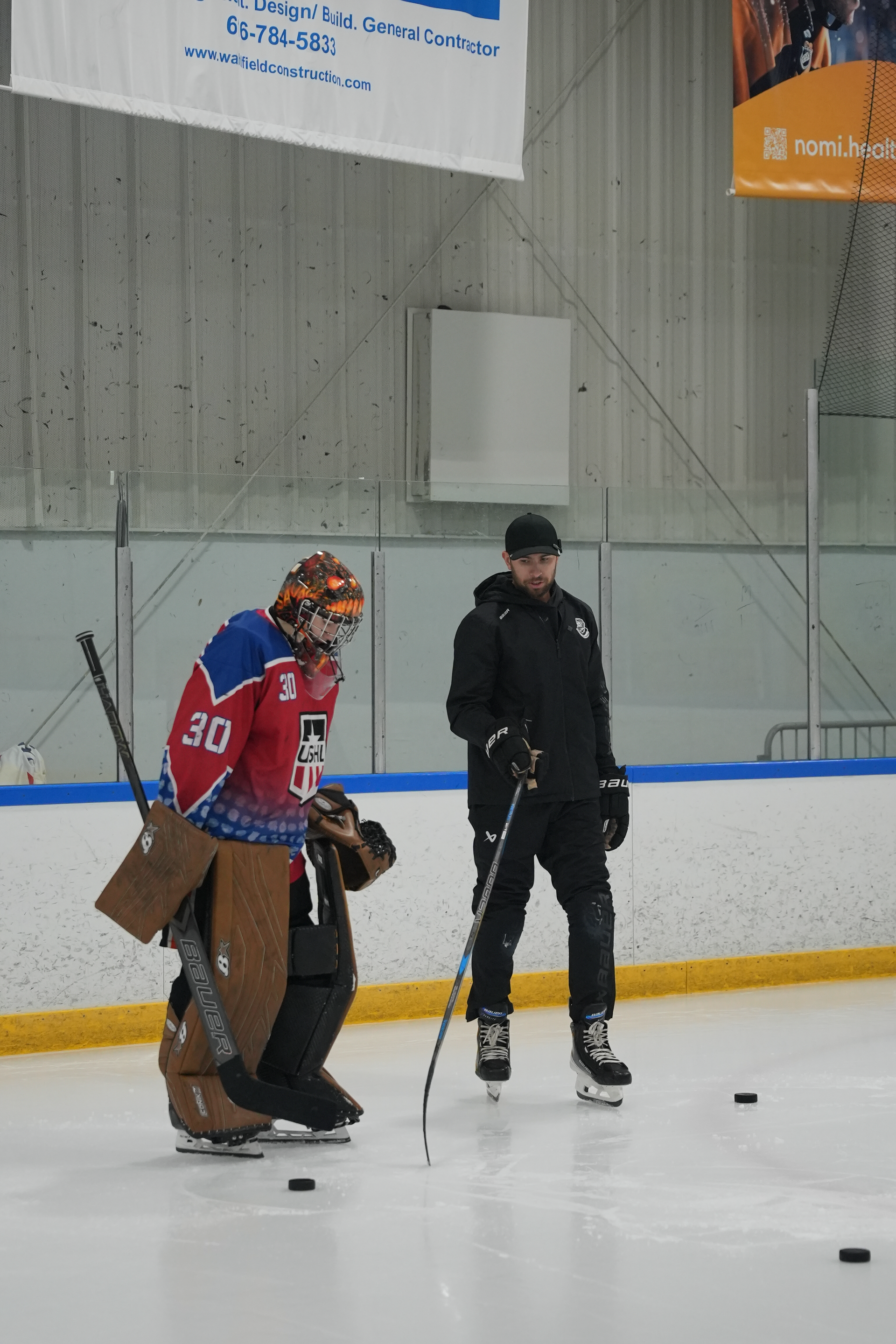
This is why reaction and neuro training is not a supplemental add-on in our hockey performance programs at Ghost Athletica. It is a integrated component of a complete development approach that addresses physical, technical, and neurological performance together.
If you are a hockey player or goaltender in the Grand Rapids area looking for a training program that develops all of these layers intentionally, Ghost Athletica's hockey training programs are built for exactly that. Learn more at ghostathletica.com.
Dr. Jamie Phillips, DPT Ghost Athletica | Ghost Goaltending | Grand Rapids Hockey Training Byron Center, Michigan | ghostathletica.com